Specialized Oncology Surgery in Tahta | Advanced Tumor Removal Techniques with Dr. Omar Badran
If you are searching for specialized oncology surgery in Tahta or looking for the latest surgical options for tumor treatment, Dr. Omar Badran provides comprehensive medical care based on accurate diagnosis, careful surgical planning, and the latest surgical techniques to achieve the best possible outcomes, with continuous follow-up before and after surgery to ensure a safe recovery.
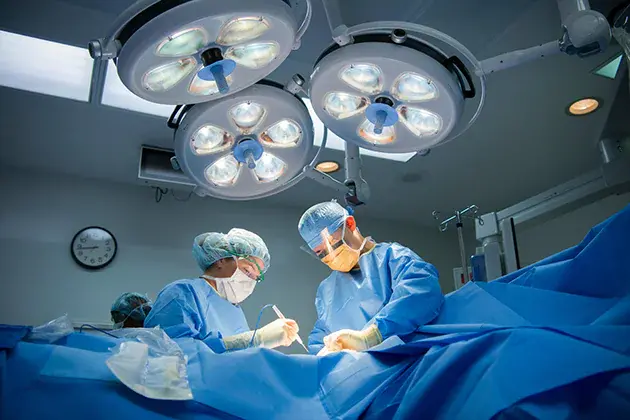

By: Dr. Omar Badran
Specialized Oncology Surgery in Tahta | Advanced Tumor Removal Techniques with Dr. Omar Badran
Receiving a diagnosis of a tumor is one of the most stressful experiences for patients and their families. However, the remarkable advancements in oncology surgery over recent years have significantly improved treatment outcomes and reduced complications, especially when tumors are detected at an early stage. Today, specialized oncology surgery relies on precise surgical techniques and advanced medical technologies aimed at removing tumors completely while preserving as much healthy tissue as possible, helping improve treatment success and patients' quality of life.
If you are searching for specialized oncology surgery in Tahta or looking for the latest surgical options for tumor treatment, Dr. Omar Badran provides comprehensive medical care based on accurate diagnosis, careful surgical planning, and the latest surgical techniques to achieve the best possible outcomes, with continuous follow-up before and after surgery to ensure a safe recovery.
Oncology surgery is not limited to removing malignant tumors. It also includes the treatment of many benign tumors that may cause discomfort or interfere with the normal function of different organs. In many cases, surgery is part of a comprehensive treatment plan that may also include chemotherapy or radiation therapy depending on each patient's condition.
What Is Specialized Oncology Surgery?
Specialized oncology surgery is a subspecialty of general surgery that focuses on diagnosing and treating tumors through surgical intervention according to the latest medical guidelines and evidence-based practices. The success of surgery depends on several factors, including the type of tumor, its stage, location, and the patient's overall health.
An oncology surgeon aims to remove the tumor accurately while preserving healthy tissues and organs whenever possible. The surgeon also strives to ensure that all visible cancerous tissue is removed to minimize the risk of recurrence.
For this reason, patients are advised not to delay seeking medical attention if they notice any unusual symptoms or discover a lump anywhere in the body, as early diagnosis greatly increases the chances of successful treatment.
When Does a Patient Need Oncology Surgery?
Surgery may serve as the primary treatment or as part of a comprehensive treatment plan in many situations, including:
-
Removal of benign tumors that cause pain or compress nearby organs.
-
Surgical removal of malignant tumors at various stages.
-
Performing a biopsy to accurately determine the type of tumor.
-
Treating tumors that interfere with the function of vital organs.
-
Removing tumors that have not responded to medication or radiation therapy.
-
Reducing tumor size before chemotherapy or radiation therapy.
-
Treating recurrent tumors after previous treatment.
The decision to proceed with surgery is based on a thorough review of imaging studies, laboratory tests, and the patient's overall condition to ensure the most appropriate treatment plan.
The Difference Between Benign and Malignant Tumors
One of the most common questions patients ask is the difference between benign and malignant tumors.
Benign Tumors
Benign tumors consist of abnormal cell growth that does not spread to other parts of the body. They are usually well-defined and can often be removed surgically with excellent outcomes. Although they are not cancerous, surgery may still be recommended if they cause pain, compress nerves or blood vessels, or interfere with the function of an organ.
Malignant Tumors
Malignant tumors develop as a result of uncontrolled abnormal cell growth and have the ability to invade surrounding tissues and spread to other organs through the bloodstream or lymphatic system. They require prompt diagnosis and treatment, which may include surgery along with chemotherapy, radiation therapy, targeted therapy, or other treatment options depending on the individual case.
Why Is Early Cancer Detection Important?
The earlier a tumor is detected, the greater the chance of successful treatment and the lower the risk of complications or disease spread. Patients should not ignore persistent symptoms such as:
-
An unexplained lump or swelling.
-
Unintentional weight loss.
-
Unexplained bleeding.
-
Persistent digestive changes.
-
Difficulty swallowing.
-
Changes in moles or skin lesions.
-
Persistent pain that does not improve with treatment.
-
Unusual changes in the breast or nipple.
Doctors emphasize that these symptoms do not necessarily indicate cancer, but they should always be evaluated promptly to ensure an accurate diagnosis and timely treatment.
Types of Oncology Surgery
The type of surgery depends on the location and nature of the tumor.
Gastrointestinal Oncology Surgery
This includes the removal of tumors affecting the stomach, colon, rectum, and small intestine while preserving digestive function whenever possible.
Colon and Rectal Cancer Surgery
These are among the most common oncology procedures and involve removing the affected section of the colon or rectum, with bowel reconstruction whenever appropriate using advanced surgical techniques.
Breast Cancer Surgery
The surgical approach depends on the size and stage of the tumor. Treatment may involve removing only the tumor while preserving the breast or performing a complete mastectomy when necessary, with attention given to achieving the best possible cosmetic outcome.
Thyroid Tumor Surgery
Depending on the diagnosis, the surgeon may remove part or all of the thyroid gland, followed by monitoring thyroid function after surgery.
Skin and Soft Tissue Tumor Surgery
These procedures involve removing skin tumors or soft tissue masses along with an adequate safety margin of healthy tissue to reduce the risk of recurrence.
Frequently Asked Questions
Do all tumors require surgery?
No. Treatment depends on the type, size, stage, and location of the tumor. In some cases, surgery is the primary treatment, while others require chemotherapy, radiation therapy, immunotherapy, or a combination of treatments.
Can benign tumors be treated surgically?
Yes. Surgery is often recommended if a benign tumor causes pain, affects organ function, continues to grow, or cannot be accurately diagnosed without removal.
Is oncology surgery dangerous?
The complexity of surgery varies depending on the type and location of the tumor. However, advances in modern surgical techniques have significantly improved safety and reduced complications when procedures are performed by an experienced oncology surgeon.
How long does tumor removal surgery take?
The duration depends on the size, location, and complexity of the tumor. Some procedures take less than an hour, while more complex surgeries may require several hours.
Can a tumor return after surgery?
The possibility of recurrence depends on the tumor type, stage, and the completeness of its removal. Regular follow-up appointments are essential for monitoring recovery and detecting any recurrence at an early stage.
When can patients return to normal activities?
Recovery varies from one patient to another. Most patients gradually return to their normal routine after following their surgeon's recommendations, while minimally invasive procedures often allow for a faster recovery.
Does oncology surgery leave large scars?
It depends on the surgical approach. Traditional surgery may result in larger scars, whereas minimally invasive procedures generally leave much smaller incisions with improved cosmetic results.
Is follow-up necessary after surgery?
Yes. Regular follow-up visits allow the surgeon to monitor healing, evaluate treatment results, perform necessary investigations, and detect any changes at an early stage.
Can all cancers be prevented?
Not all cancers are preventable. However, maintaining a healthy lifestyle, avoiding smoking, keeping a healthy weight, and undergoing recommended screening tests can reduce risk factors and improve early detection.
How do I choose the best oncology surgeon?
Patients should choose a surgeon with extensive experience in oncology surgery, accurate diagnostic skills, modern surgical techniques, and comprehensive preoperative and postoperative care.
Why Is Choosing the Right Oncology Surgeon Important?
Successful cancer treatment depends largely on accurate diagnosis and a personalized treatment plan. An experienced oncology surgeon not only performs the operation but also evaluates the patient's condition, reviews diagnostic tests and imaging studies, selects the most appropriate surgical approach, and provides ongoing postoperative care to ensure the best possible outcome while minimizing complications.
Good communication between the surgeon and the patient also helps reduce anxiety, improves understanding of the treatment plan, and encourages better adherence to postoperative instructions.
Book Your Appointment with Dr. Omar Badran
If you are looking for specialized oncology surgery in Tahta or would like to consult an experienced oncology surgeon who uses the latest surgical techniques, Dr. Omar Badran provides comprehensive care from diagnosis through surgery and postoperative follow-up, with individualized treatment plans tailored to each patient's needs.
Contact Information
Dr. Omar Badran
🏥 Address: Tahta – Next to Bilal Koshary and the Drinking Water Company
📞 Appointments & Inquiries: 01024363534
Don't delay seeking medical evaluation. Early diagnosis and timely treatment remain among the most important factors in achieving successful outcomes in oncology care.

Learn about the latest treatments for spinal pain in Nasr City with Dr. Ayman Essam, a specialist in physical therapy and manual therapy. Discover the causes and symptoms of back and neck pain, non-surgical treatment options, and personalized rehabilitation plans at Egypt Chiropractic Center.
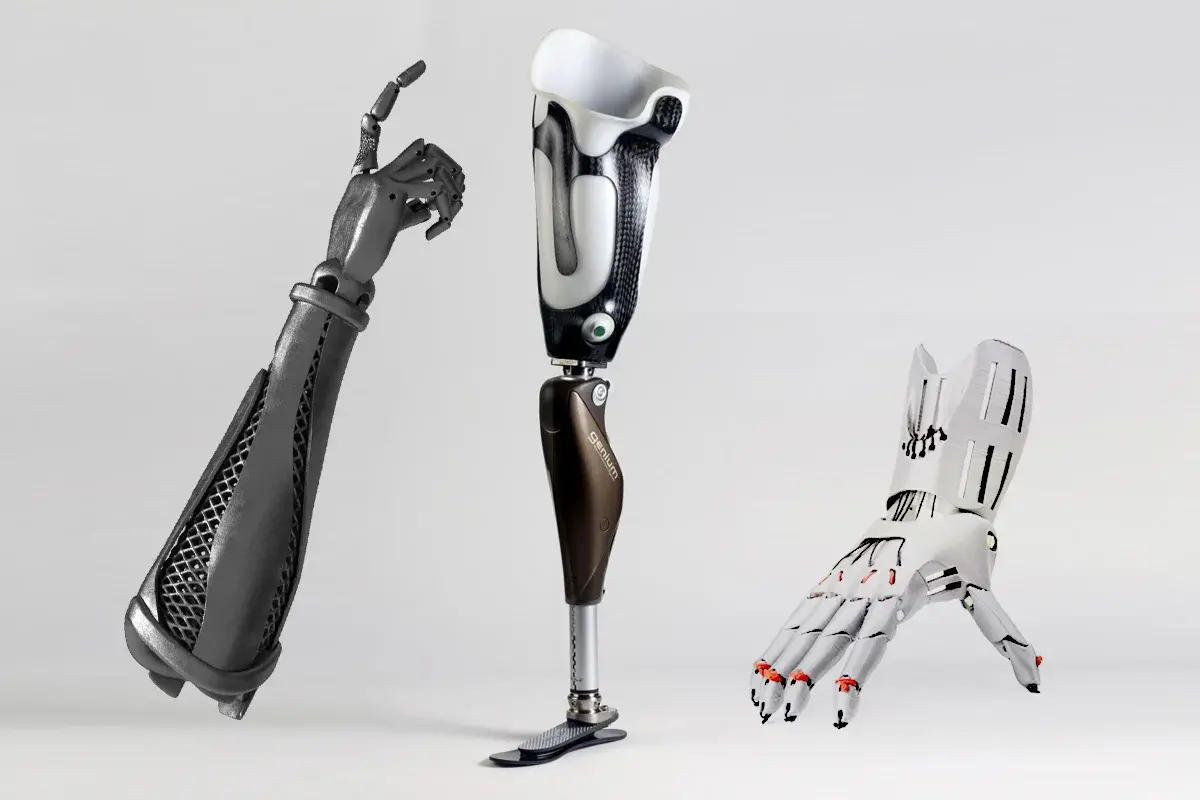
If you are looking for modern prosthetic limb fitting in Shebin El Kom, Dr. Mahmoud Hadhoud provides advanced prosthetic solutions tailored to each patient's individual needs, with comprehensive assessment and continuous follow-up to ensure the best possible outcomes.

Dr. Rehab Helmy provides professional child behavior modification services in Giza, offering comprehensive behavioral assessments, personalized treatment plans, and continuous family support. With over 15 years of experience in special education, behavioral therapy, and family counseling, she helps children overcome behavioral challenges and develop essential life and social skills through evidence-based techniques.
Discover Dr. Amr Mostafa Saleheen’s advanced gynecological laparoscopic surgery services, providing modern medical solutions for women’s health problems using the latest surgical techniques with high accuracy and shorter recovery time in Assiut.
