Speech and Language Delay in Children | Complete Guide from Mayo Clinic to Diagnosis and Treatment Methods
Speech and language delay in children is one of the most common concerns for parents during early childhood, especially when a child does not acquire language skills at the same pace as peers. While some children naturally catch up later, others require medical evaluation to prevent long-term effects on learning and social communication.


Speech and Language Delay in Children | Complete Guide from Mayo Clinic to Diagnosis and Treatment Methods
Introduction: When Does Speech Delay Become a Concern?
Speech and language delay in children is one of the most common concerns for parents during early childhood, especially when a child does not acquire language skills at the same pace as peers. While some children naturally catch up later, others require medical evaluation to prevent long-term effects on learning and social communication.
According to medical expertise from Mayo Clinic, early intervention plays a crucial role in improving a child’s ability to develop normal and effective communication skills.
What Is Speech and Language Delay?
Speech delay refers to a condition in which a child is unable to use words or sentences appropriate for their age. It may appear as:
- Delayed first words
- Difficulty forming sentences
- Problems expressing needs
- Limited vocabulary compared to same-age children
Causes of Speech and Language Delay in Children
1. Hearing Loss
Any hearing impairment can directly affect language development.
2. Neurodevelopmental Disorders
Such as Autism Spectrum Disorder or general developmental delays.
3. Oral or Tongue Problems
Such as tongue-tie or weak speech muscles.
4. Lack of Language Interaction
Insufficient verbal interaction between parents and the child.
5. Genetic Factors
A family history of speech delay may contribute to the condition.
When Should You Be Concerned About Speech Delay?
Experts recommend consulting a specialist if:
- The child is not speaking words by 18 months
- No simple sentences by age 2
- Does not respond to simple instructions
- Relies heavily on gestures instead of speech
Diagnosis of Speech and Language Delay
Diagnosis typically involves several steps:
- Hearing assessment
- Language ability evaluation
- Neurological development assessment
- Social behavior observation
Diagnosis is usually performed by a speech-language pathologist or pediatric specialist.
Treatment of Speech and Language Delay (Effective Plans)
1. Speech Therapy
The main treatment approach aimed at:
- Improving pronunciation
- Increasing vocabulary
- Teaching sentence formation
2. Parent Training
Teaching parents how to support language development at home.
3. Medical Treatment
Treating underlying conditions such as hearing loss or developmental disorders.
4. Home Activities
- Reading stories daily
- Talking to the child frequently
- Reducing screen time
Exercises to Improve Speech
- Repeating simple words
- Using educational toys
- Encouraging verbal expression of needs
- Singing songs and nursery rhymes
The Role of Early Intervention in Treatment Success
The earlier speech delay is detected, the higher the chances of improvement. Early intervention helps the child to:
- Improve social communication
- Boost self-confidence
- Reduce future learning difficulties
Can Speech Delay Be Fully Treated?
In most cases, yes — children can catch up with their peers, especially when:
- Early diagnosis is made
- Speech therapy sessions are followed regularly
- Continuous family support is provided
Conclusion
Speech and language delay is not a permanent problem in most cases, but it requires careful monitoring and early intervention. With proper guidance from specialists, children can develop their language skills naturally and effectively.
Medical expertise from Mayo Clinic emphasizes that family support and speech therapy are the key factors in improving a child’s communication abilities.

Learn about diagnostic urological endoscopy, when it may be needed, and its role in evaluating bladder and urethral conditions with Dr. Ahmed Atef Khalaf.

Jeddah Medical and Home Nursing Care provides professional elderly caregiver services in Alexandria, offering full-day or half-day companions to support seniors with daily activities, companionship, and home care based on their individual needs.
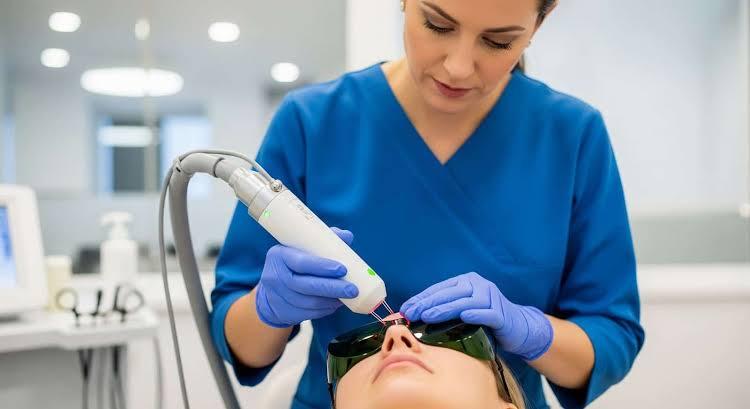
Learn about non-surgical skin tightening and collagen stimulation and how these cosmetic treatments can improve skin firmness and elasticity with Dr. Qamaria Tarek El Banna.

Learn about penile implants and testicular surgery, when surgical treatment may be considered, and the importance of specialized medical evaluation with Dr. Ahmed Atef Khalaf.
