Strabismus in Children: Causes, Symptoms & Early Treatment Options
Strabismus in children, commonly known as crossed eyes, is one of the most frequent eye conditions during childhood. It may appear in infancy or during early development stages.


Strabismus in Children: Causes, Symptoms & Early Treatment Options
Introduction
Strabismus in children, commonly known as crossed eyes, is one of the most frequent eye conditions during childhood. It may appear in infancy or during early development stages.
Although it may seem minor in some cases, early detection plays a crucial role in preventing long-term vision problems and ensuring proper eye development.
What is Strabismus in Children?
Strabismus is a condition in which both eyes do not align properly and fail to look in the same direction at the same time. One eye may look straight while the other turns inward, outward, upward, or downward.
Types of Strabismus
1. Esotropia (Inward Turning Eye)
One eye turns toward the nose.
2. Exotropia (Outward Turning Eye)
One or both eyes drift outward away from the nose.
3. Vertical Strabismus
One eye moves upward or downward, which is less common.
Causes of Strabismus in Children
- Weak eye muscles
- Nerve problems controlling eye movement
- Refractive errors (nearsightedness or farsightedness)
- Genetic factors
- Delayed visual development
- Rare neurological conditions
Symptoms of Strabismus
- Misaligned eyes
- Closing one eye while focusing
- Head tilting when looking at objects
- Difficulty focusing on objects
- Poor depth perception
- Frequent eye strain or blinking
Is Strabismus Dangerous in Children?
Strabismus itself is not always dangerous, but if left untreated, it can lead to serious vision problems such as:
- Amblyopia (lazy eye)
- Permanent vision weakness
- Loss of binocular vision (depth perception)
This is why early intervention is extremely important.
When to Seek Medical Attention?
You should consult an eye specialist if you notice:
- Eye misalignment after 3–4 months of age
- Frequent eye closure
- Difficulty tracking objects
- Clear difference in eye direction
Treatment Options for Strabismus
1. Prescription Glasses
Used when refractive errors like farsightedness contribute to eye misalignment.
2. Eye Patching
Covers the stronger eye to strengthen the weaker one and treat lazy eye.
3. Eye Exercises
Help improve coordination between both eyes.
4. Medicated Eye Drops
In some cases, drops are used to temporarily weaken the stronger eye.
5. Surgery
Recommended for severe cases to correct eye muscle alignment.
Importance of Early Detection
Early diagnosis significantly increases the success rate of treatment and prevents permanent vision damage. Regular eye check-ups for children are strongly recommended.
Advice for Parents
- Monitor your child’s vision from early infancy
- Do not ignore even mild eye deviation
- Follow medical instructions strictly
- Limit early screen exposure
Conclusion
Strabismus in children is a treatable condition when detected early. Delaying diagnosis may lead to long-term vision complications, making early eye examination and proper treatment essential for healthy visual development.
SEO Keywords
strabismus in children
crossed eyes in kids
eye misalignment treatment
lazy eye in children
childhood vision problems
strabismus causes and treatment

Dr. Menna Morsi uses the latest cosmetic dentistry techniques to preserve the health of your teeth while delivering outstanding aesthetic results through a personalized treatment plan tailored to your individual needs.
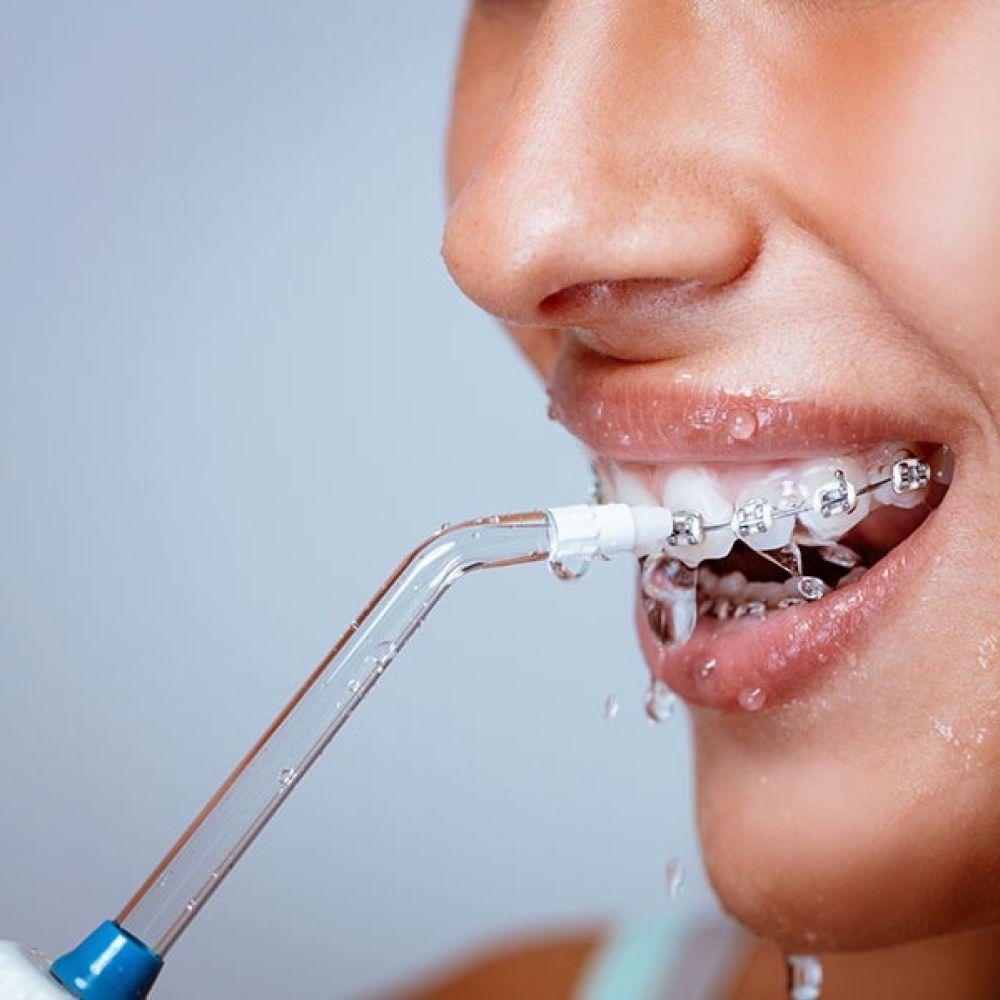
Over time, neglecting oral hygiene while wearing braces can lead to plaque buildup, gum inflammation, bad breath, and even affect the overall success of your orthodontic treatment by potentially extending the treatment period.
Looking for vision improvement treatment in El Khusus? Dr. Mahmoud El-Azizi offers the latest technologies for diagnosing and treating vision problems, including laser vision correction, cataract and glaucoma treatment, with comprehensive eye care using state-of-the-art medical equipment.
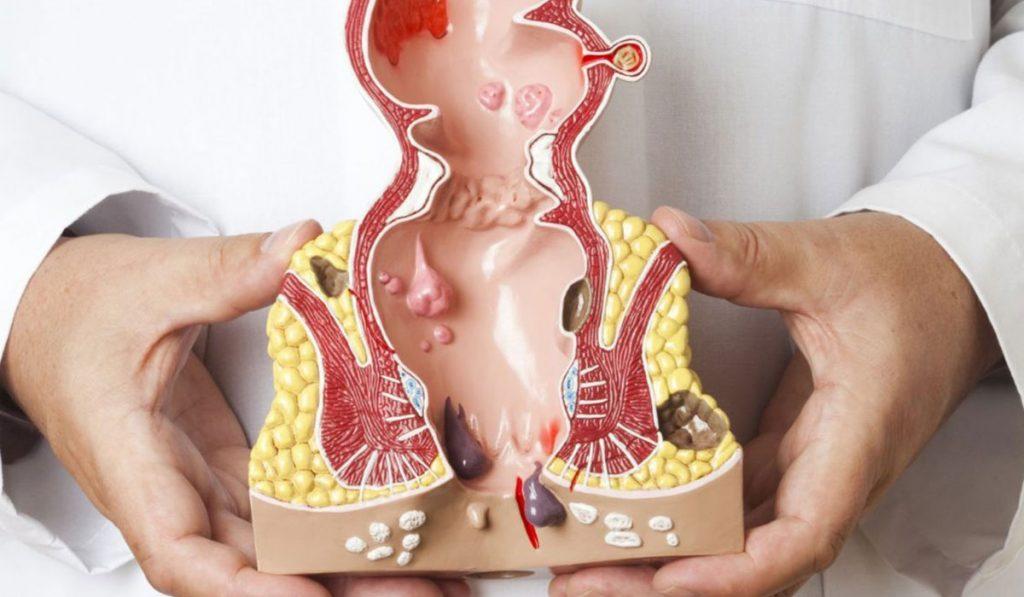
With the advancement of colorectal surgery, most cases of anal fistula and pilonidal sinus can now be treated using modern surgical and technological techniques that precisely remove the diseased tissue, minimize pain, accelerate wound healing, and reduce the risk of recurrence.
