Study Warns: Gestational Diabetes Rates Surge Over Recent Years
A Northwestern University study reveals a steady rise in gestational diabetes cases across the U.S. since 2016, raising serious public health concerns.
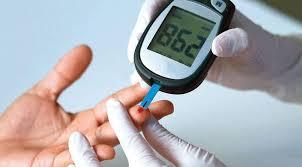
A recent study conducted by Northwestern University has revealed a continuous rise in gestational diabetes rates across the United States, marking an alarming trend that has persisted from 2016 through 2024.
The study analyzed data from more than 12 million births nationwide and found that gestational diabetes cases increased by 36% over nine years, rising from 58 cases per 1,000 births in 2016 to 79 cases per 1,000 births in 2024.
Dr. Nilay Shah, assistant professor at the Feinberg School of Medicine and lead author of the study, described the findings as deeply concerning, noting that the upward trend has been ongoing for more than a decade.
He emphasized that current prevention and management strategies during pregnancy have not been sufficient to curb the growing prevalence of the condition.
Gestational diabetes is a blood sugar regulation disorder first diagnosed during pregnancy and is associated with both short- and long-term health risks for mothers and their children.
Potential complications include:
-
Higher risk of developing type 2 diabetes later in life
-
Increased likelihood of cardiovascular disease in mothers
-
Greater risk of obesity and metabolic disorders in children
Researchers suggest that the rise may reflect a broader decline in overall public health among younger populations, driven by unhealthy lifestyles, physical inactivity, and increasing obesity rates.

Regular health screening is one of the most important steps to maintain good health and detect diseases early. The essential medical checkups for every age help in preventing complications and ensuring a healthier life.

Many people, after doing medical tests, receive their results and immediately start looking at numbers and unfamiliar terms like (High – Low – Normal) without fully understanding what they actually mean.

When dealing with medical services, many people come across different titles for doctors such as “Specialist” and “Consultant”, which can sometimes create confusion about what each title actually means and how they differ from each other.

Choosing the right time to visit a doctor is not a random decision. It can directly affect how quickly a condition is diagnosed and how effective the treatment will be. Many people delay visiting a doctor or go at the wrong time, which may lead to worsening symptoms or delayed care.
