Study Warns: Keto Diet May Worsen Aggressive Breast Cancer
A recent study cautions that the high-fat, low-carb keto diet may increase the risk of aggressive breast cancer in women, particularly those with obesity.


Recent research has revealed that the keto diet, widely used for weight loss, may accelerate the growth of certain aggressive forms of breast cancer. Although the diet emphasizes low carbohydrate intake and high fat consumption, elevated blood lipid levels may promote tumor growth in some patients.
The study, conducted by the Huntsman Cancer Institute at the University of Utah and published in Cancer and Metabolism, found that fatty acids can accelerate tumor growth, especially in patients and survivors with obesity. The research highlighted that these individuals could benefit from lipid-lowering treatments and should exercise caution when following high-fat weight-loss diets.
Regarding the mechanism, scientists explained that triple-negative breast cancer cells—which lack estrogen, progesterone, and HER2 receptors—utilize fatty acids as an additional energy source and building blocks, facilitating tumor growth, particularly in women with hyperlipidemia associated with obesity. Dr. Amandine Chaix, the lead researcher, noted that obesity alters the metabolic environment, hormones, and insulin levels, increasing cancer risk.
The ketogenic diet involves very low carbohydrate intake replaced by fats to promote fat burning for energy. While known for weight loss and certain health benefits, it may pose risks for women susceptible to aggressive breast cancer.
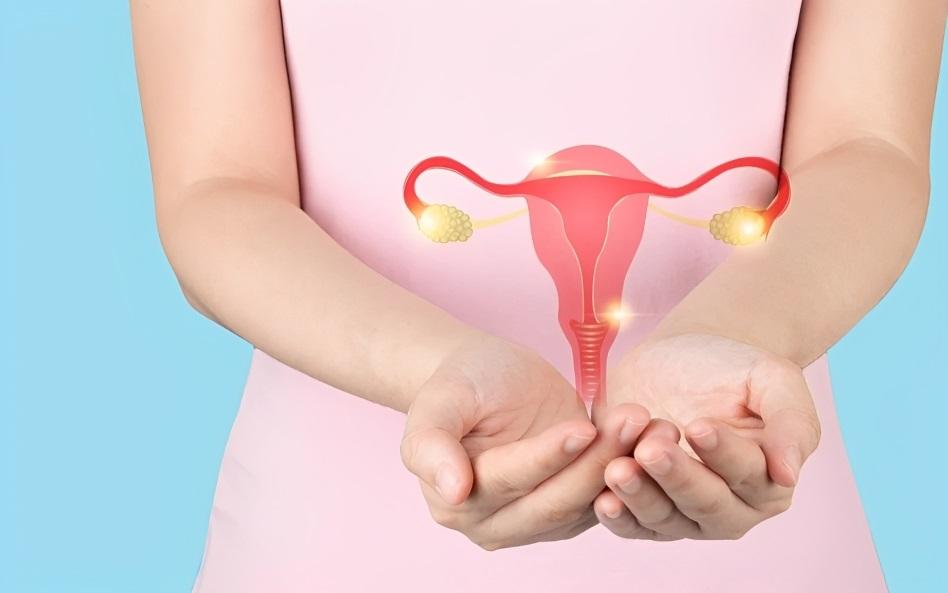
Can ovarian cysts and polycystic ovary syndrome (PCOS) be detected early before affecting fertility and pregnancy? Learn about the most common symptoms, diagnostic methods, and treatment options with Prof. Dr. Mohamed Fawzy El Tawil, Consultant of Obstetrics, Gynecology, and IVF in Suez.

Not every neck lump indicates a thyroid tumor, but certain signs require immediate medical evaluation. This article explains the main causes of neck swelling, the difference between benign conditions and thyroid tumors, and the most accurate diagnostic methods.

Families in Al Wasta looking for trusted psychiatric and addiction treatment services can rely on Al Hodoa Center, which provides detox programs, psychological rehabilitation, behavioral therapy, and continuous medical care in a safe and supportive environment.

Discover the causes and symptoms of depression and modern treatment methods with Dr. Mervat Youssef El-Qadi in Gesr El Suez. Specialized psychological counseling, behavioral therapy, speech therapy, and psychological rehabilitation services for children, adolescents, and adults in Cairo.
