
Sudden Joint Pain: Hidden Causes and When to Worry
Have you ever experienced sudden joint pain without any clear reason? And wondered whether it is a simple issue or a sign of a serious medical condition?
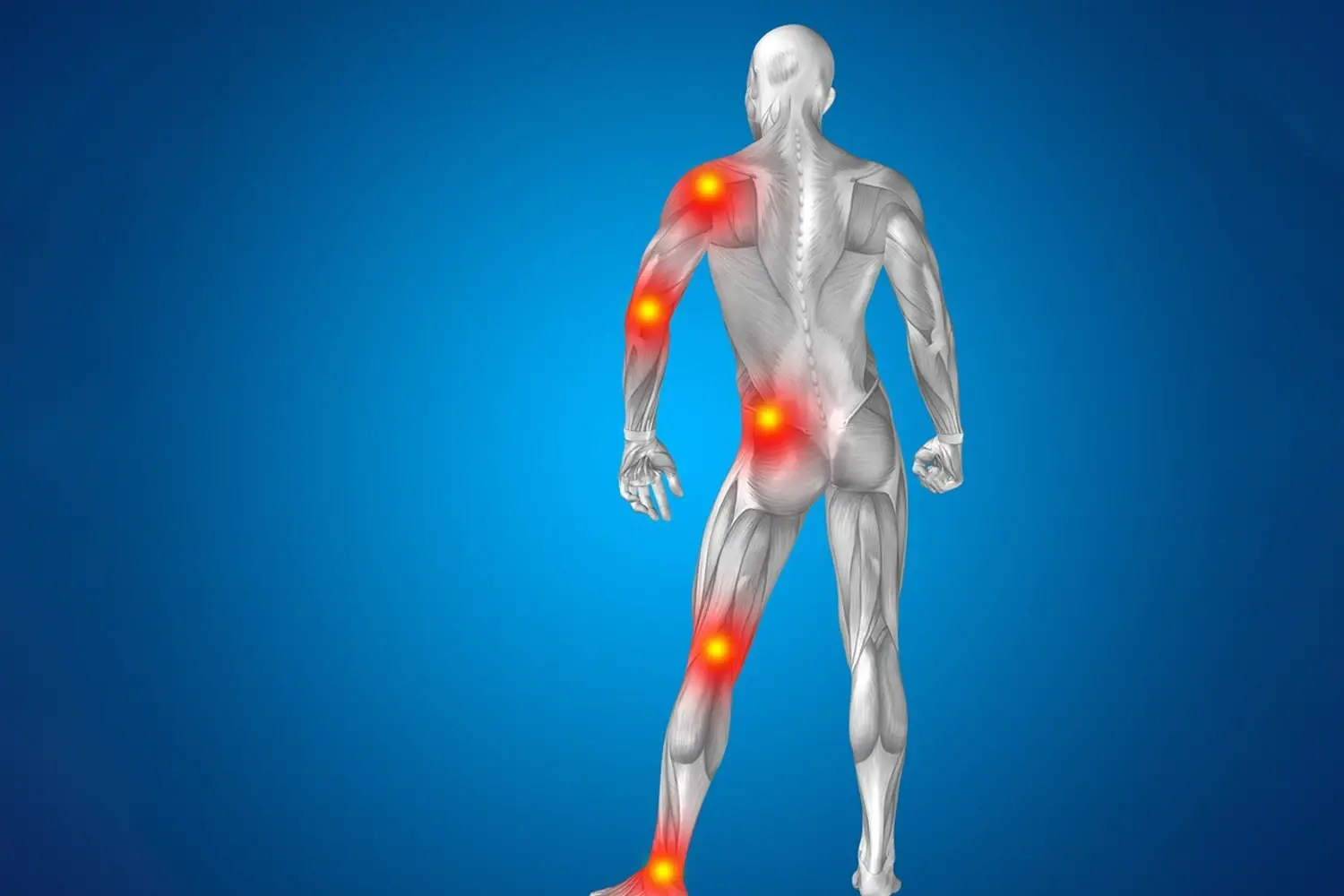
Sudden joint pain is a common symptom that can affect people of different ages. It often appears unexpectedly without injury or physical strain. While many cases are temporary and harmless, others may indicate underlying health conditions that require medical attention.
In this article, we explore the hidden causes of sudden joint pain and explain when it should be considered a warning sign.
What is Sudden Joint Pain?
Sudden joint pain refers to discomfort that appears quickly in one or more joints. It may be accompanied by:
- Swelling in the joint
- Redness or warmth
- Difficulty moving the joint
- Morning stiffness
The severity of pain can vary from mild to severe depending on the underlying cause.
Common Causes of Sudden Joint Pain
1. Acute Arthritis
Arthritis is one of the most common causes and may occur suddenly due to viral or bacterial infections affecting the joint.
2. Gout
Gout is a major cause of sudden pain caused by uric acid crystal buildup, often affecting the big toe with intense pain and swelling.
3. Overuse or Strain
Repeated physical activity or heavy strain can lead to sudden joint pain, especially in the knees and shoulders.
4. Hidden Injuries
Minor unnoticed injuries may worsen over time, leading to sudden pain and swelling.
5. Viral Infections
Some viral infections such as influenza can cause joint pain as a secondary symptom.

Hidden and More Serious Causes
In some cases, sudden joint pain may indicate serious underlying diseases such as:
- Rheumatoid arthritis (autoimmune disease)
- Lupus (SLE)
- Chronic joint inflammation
- Blood or lymphatic disorders
These conditions are often accompanied by additional symptoms such as fatigue, weight loss, or fever.
When Should You Worry?
You should seek medical advice immediately if you experience:
- Pain lasting more than a few days
- Severe swelling or redness
- Difficulty moving the joint
- Fever
- Recurring sudden pain without clear cause
Diagnosis Methods
Doctors may use several methods to diagnose the cause, including:
- Physical examination
- Blood tests (uric acid and inflammation markers)
- X-rays or MRI scans
- Joint fluid analysis
Treatment Options
Treatment depends on the underlying cause and may include:
- Anti-inflammatory medications
- Medications for gout or infections
- Rest and reducing joint stress
- Physical therapy
- Long-term treatment for chronic conditions
Conclusion
Sudden joint pain is not always harmless. It may be a temporary strain or a warning sign of a more serious health issue. Ignoring persistent or severe symptoms can lead to complications.
Early diagnosis and proper care play a key role in preventing long-term damage and maintaining joint health.