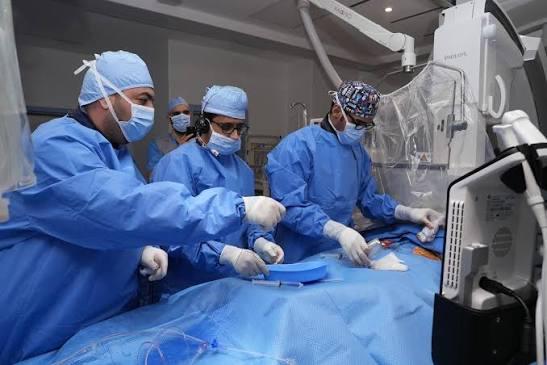

Surgical Treatment for Aortic Valve Stenosis | Dr. Mohamed Hassan Abdullah
Aortic valve stenosis is a heart valve condition that can affect the heart’s ability to pump blood to the body, particularly when the valve opening becomes significantly narrowed. As the condition progresses, symptoms such as shortness of breath, chest pain, and dizziness may develop, and some patients may require an intervention to reduce its impact on heart function. Dr. Mohamed Hassan Abdullah, Consultant of Cardiothoracic Surgery, emphasizes that the appropriate timing of treatment depends on the severity of the stenosis, the patient’s symptoms, and the results of medical investigations.
Contact and Appointment Information
Gardenia Clinics – Private Clinic
📞 Phone: 01119226555
☎️ Landline: 02-23621602
Damanhour Cardiac Center (DCC) – Dar El Shefa Hospital, Damanhour
📞 Phone: 01028888719
📞 Additional number: 01028888716
☎️ Landline: 045-3333372
Military Production Hospital
☎️ Contact: 02-28167051
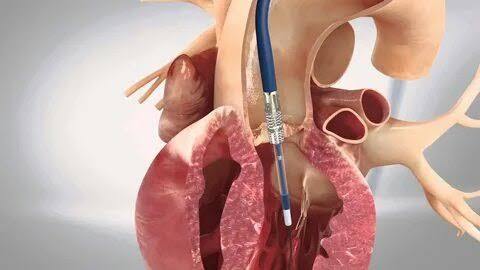
What Is Aortic Valve Stenosis?
The aortic valve is one of the four valves in the heart. It is located between the left ventricle and the aorta, the main artery that carries blood to the body. The valve opens when the heart contracts to allow blood to pass through and closes to prevent blood from flowing backward into the ventricle.
When aortic valve stenosis develops, the valve opening becomes narrower, making it harder for blood to flow from the heart into the aorta. The left ventricle must work harder to pump blood, and prolonged pressure overload may lead to changes in the heart muscle.
The severity of stenosis varies. Mild cases may not cause noticeable symptoms, while severe cases can affect heart function if they are not assessed and managed appropriately.
What Causes Aortic Valve Stenosis?
Several conditions can lead to aortic valve stenosis, and the underlying cause may vary according to age and medical history.
-
Age-related calcification: Calcium deposits may accumulate on the valve over time, limiting its movement and opening.
-
Congenital valve abnormalities: Some people are born with a bicuspid aortic valve, which has two leaflets instead of three and may become narrowed at a younger age.
-
Rheumatic heart disease: Previous rheumatic fever may damage the valve and affect its movement.
-
Other causes: Certain diseases and structural changes may also affect valve function.
Identifying the cause and severity helps guide decisions about monitoring and treatment.
What Are the Symptoms of Aortic Valve Stenosis?
Early-stage stenosis may not cause clear symptoms and can sometimes be detected during a medical examination or an echocardiogram performed for another reason.
As the condition becomes more severe, symptoms may include:
-
Shortness of breath, particularly during physical activity.
-
Chest pain or pressure.
-
Dizziness or fainting.
-
Fatigue and reduced exercise tolerance.
-
Heart palpitations in some cases.
-
Leg swelling or other signs of heart failure in advanced cases.
Severe chest pain, fainting, or sudden shortness of breath requires urgent medical assessment. Patients should not wait for a routine appointment if severe or sudden symptoms occur.
How Is Aortic Valve Stenosis Diagnosed?
Diagnosis involves reviewing symptoms and medical history, performing a clinical examination, and using investigations to determine the severity of the narrowing and its effect on the heart.
Echocardiography
Echocardiography is one of the most important tests for assessing aortic valve stenosis. It helps evaluate the valve’s structure and movement, measure blood flow velocity across the valve, estimate the severity of stenosis, and assess left ventricular function.
Electrocardiogram
An electrocardiogram evaluates the heart’s electrical activity and may identify changes associated with increased strain on the heart or an abnormal rhythm.
Additional Investigations
Other tests, such as computed tomography or cardiac catheterization, may be considered when needed, including when the coronary arteries must be assessed or an intervention is being planned.
Test results are interpreted together. Treatment decisions depend on the degree of stenosis, symptoms, heart function, and the patient’s overall health rather than on a single finding.
When Does Aortic Valve Stenosis Require Surgery?
Not every patient with aortic valve stenosis needs immediate surgery. Mild or moderate cases without significant symptoms may be monitored regularly according to the cardiologist’s assessment.
In severe cases, valve replacement may be necessary, particularly when the patient has symptoms attributable to the stenosis or when heart function is affected. The timing of intervention depends on the severity of the condition, investigation results, and the risks associated with delaying treatment.
Some patients may require intervention even without obvious symptoms if specific findings indicate a significant risk. New symptoms or reduced exercise tolerance should therefore be evaluated promptly.
What Are the Treatment Options for Aortic Valve Stenosis?
The choice of procedure depends on the patient’s age, general health, valve and blood vessel anatomy, expected risks, and long-term treatment needs.
Surgical Aortic Valve Replacement
Surgical valve replacement is a key treatment option for severe stenosis when intervention is indicated. During the procedure, the damaged valve is removed or the necessary portions are replaced, and an artificial valve is implanted to improve blood flow.
The replacement valve may be mechanical or biological. The choice depends on several factors, including the patient’s age, the need for long-term anticoagulation, and individual preferences after discussing the benefits and limitations of each option with the medical team.
A comprehensive assessment is required before surgery, followed by monitoring to evaluate the new valve and the patient’s recovery.
Transcatheter Aortic Valve Replacement (TAVI/TAVR)
In selected cases, the aortic valve can be replaced using a catheter, usually inserted through a blood vessel, without conventional open-heart surgery. This procedure is known as transcatheter aortic valve implantation or replacement (TAVI/TAVR).
It is not suitable for every patient. The decision depends on factors such as age, overall health, valve and blood vessel anatomy, and assessment by a specialized team. It may be appropriate for some patients at increased surgical risk and can also be considered for other groups according to current guidance and individual evaluation.
How Is the Appropriate Procedure Chosen?
The available options are discussed by the relevant specialists, taking into account expected benefits, potential risks, recovery time, and long-term follow-up requirements. The aim is to select the approach that best balances safety and the patient’s medical needs.
How Should Patients Prepare for Aortic Valve Surgery?
Preparation begins with a comprehensive medical assessment. This may include reviewing current medications, evaluating heart and lung function, and performing the necessary tests and laboratory investigations.
Patients should inform the medical team about chronic conditions, known allergies, and all medications they take, particularly medicines that affect blood clotting. No medication should be stopped or adjusted before surgery without medical instructions.
Understanding the procedure, expected outcomes, and recovery process can also help patients prepare and discuss postoperative care with their medical team.
What Happens After the Procedure?
Recovery depends on the type of intervention and the patient’s overall health. After open-heart surgery, patients usually require hospital monitoring followed by recovery at home according to the medical team’s instructions.
After transcatheter valve replacement, hospital stay and recovery may be shorter for some patients, although this varies according to the individual case and any complications.
Follow-up may include monitoring symptoms, heart and valve function, prescribed medications, and regular investigations. Some patients may also benefit from a cardiac rehabilitation program to help them return to activity safely.
Dr. Mohamed Hassan Abdullah – Consultant of Cardiothoracic Surgery
Managing aortic valve stenosis requires careful assessment to determine the severity of the narrowing, its effect on heart function, whether monitoring or intervention is needed, and which approach is most appropriate based on test results and the patient’s health.
For appointment enquiries and contact information for Dr. Mohamed Hassan Abdullah, Consultant of Cardiothoracic Surgery, patients can contact one of the following centers:
-
Gardenia Clinics: 01119226555 – 02-23621602.
-
Damanhour Cardiac Center (DCC): 01028888719 – 01028888716 – 045-3333372.
-
Military Production Hospital: 02-28167051.
Aortic valve stenosis may progress gradually and can affect the heart’s ability to pump blood when the narrowing becomes severe. The need for intervention depends on symptoms, investigation results, and heart function—not simply on the presence of stenosis.
Treatment options include surgical valve replacement and transcatheter replacement for suitable patients. Specialist assessment helps determine the appropriate procedure and timing, while regular follow-up remains important for monitoring heart health and reducing the risks associated with delayed treatment.