
Gout: Symptoms, Causes, and How It Is Managed
Gout is a type of inflammatory arthritis that can cause sudden episodes of severe joint pain, often accompanied by swelling and increased sensitivity. Gout occurs when uric acid crystals build up inside a joint, although having high uric acid levels does not necessarily mean that a person has gout.
The severity and frequency of attacks vary from one person to another. Medical evaluation can therefore help determine the nature of the condition and establish an appropriate management plan.
📍 Consultation with Prof. Doaa Salah Atta
Prof. Doaa Salah Atta Professor and Senior Consultant of Rheumatology and Joint Diseases
📍 Fifth Settlement Clinic HCC Medical Building 90th Street – Behind the Air Force Hospital Second Floor – Clinic 215, The Clinic
⏰ Consultation hours: Wednesday from 11 AM to 3 PM.
📞 For appointments and inquiries:
01022222548 01012373337 01033927700 0228124215 0228124216
For information about consultation schedules at other branches, please contact the listed numbers to arrange an appointment according to the available schedule.
What Is Gout?
Gout is a type of inflammatory arthritis that develops when uric acid crystals accumulate inside a joint, potentially causing inflammation and severe pain.
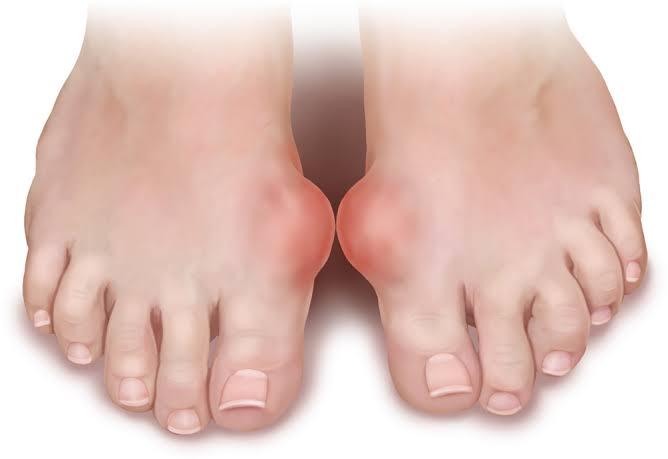
A gout attack often develops suddenly and may affect one joint, causing swelling, redness, warmth, and significant tenderness.
What Are the Symptoms of Gout?
Symptoms vary from person to person, but a gout attack may include:
-
Sudden and severe joint pain.
-
Joint swelling.
-
Redness and warmth around the affected area.
-
Significant tenderness when the joint is touched.
-
Difficulty moving the joint because of pain.
Attacks may occur at widely separated intervals, but they can become more frequent in some people if the condition is not properly managed.
What Causes Gout?
Gout is associated with elevated uric acid levels and the formation of crystals inside the joints.
Uric acid is produced when the body breaks down substances called purines, which are naturally present in the body and in certain foods.
High uric acid levels may occur because the body produces too much uric acid or does not eliminate enough of it. However, having elevated uric acid does not necessarily mean that a person has gout.
Does Diet Affect Gout?
Diet can be one factor that affects uric acid levels in some people, but managing gout does not depend on diet alone.
Therefore, people with recurring gout attacks should not rely only on dietary changes. Medical evaluation may be necessary to determine whether treatment is needed to control uric acid levels and reduce the risk of future attacks.
The Importance of Staying Hydrated
Maintaining an appropriate fluid intake can be part of healthy lifestyle habits that support the body. However, the appropriate amount of fluid varies depending on a person's health.
People with other medical conditions or fluid restrictions should discuss their appropriate fluid intake with their doctor.
Does Gout Only Affect the Big Toe?
No. Although gout commonly affects the big toe, it can also affect other joints, such as the ankle, knee, or other areas.
The location of pain alone is therefore not enough to determine whether someone has gout, and appropriate medical evaluation may be needed.
How Is Gout Managed?
Gout management depends on the individual's condition, the frequency of attacks, uric acid levels, and overall health.
Treatment may focus on controlling pain and inflammation during an attack, as well as reducing the risk of future attacks and complications associated with elevated uric acid when appropriate.
The treatment plan is determined after evaluating the individual case. Gout medications should not be started or their doses changed without medical advice.
Can Gout Attacks Be Prevented?
The risk of recurring attacks can be reduced in some patients by following an appropriate treatment plan and maintaining healthy lifestyle and dietary habits according to medical recommendations.
The appropriate approach varies from person to person, so following highly restrictive diets or extensive lists of prohibited foods without medical evaluation is not recommended.
When Should You See a Doctor?
If sudden and severe joint pain develops, particularly when accompanied by swelling, redness, and warmth, medical evaluation is important rather than assuming that the cause is gout.
Recurring attacks should also be evaluated to determine the cause and establish an appropriate plan to reduce future episodes.
Frequently Asked Questions About Gout
Does high uric acid mean that I have gout?
Not necessarily. Some people may have elevated uric acid without developing gout symptoms. Diagnosis therefore depends on the overall medical evaluation rather than a laboratory result alone.
Is gout a chronic disease?
Gout can recur in some people, and attacks may become more frequent if the condition is not properly managed. Some cases therefore require ongoing treatment and follow-up.
Can gout be treated with diet alone?
A healthy diet may be part of an appropriate lifestyle, but it does not necessarily replace medical treatment, particularly for people who experience recurring attacks.
Does gout cause constant pain?
Not necessarily. Symptoms may occur in attacks, and a person may feel better between attacks. However, recurring attacks require medical evaluation and follow-up.
Can gout affect the knee?
Yes. Gout can affect the knee and other joints, not just the big toe.
Consultation with Prof. Doaa Salah Atta in the Fifth Settlement
If you experience recurring joint pain or swelling or have symptoms that may be related to gout, medical evaluation can help determine the nature of the problem and establish an appropriate management plan.
Appointments and inquiries are available with Prof. Doaa Salah Atta, Professor and Senior Consultant of Rheumatology and Joint Diseases, at the Fifth Settlement clinic.
📍 Address: HCC Medical Building, 90th Street – Behind the Air Force Hospital, Second Floor – Clinic 215, The Clinic.
⏰ Consultation hours: Wednesday from 11 AM to 3 PM.
📞 Appointment and inquiry numbers: 01022222548 01012373337 01033927700 0228124215 0228124216
Conclusion
Gout is a form of inflammatory arthritis associated with the accumulation of uric acid crystals in a joint, which can cause sudden episodes of pain, swelling, and redness.
Management varies according to each person's condition, so it is not advisable to rely solely on diet or general advice. Medical evaluation can help determine the cause and appropriate treatment plan to control symptoms and reduce the likelihood of recurring attacks.