
🫀 Silent Symptoms That May Indicate an Approaching Heart Attack
A heart attack is one of the most serious medical emergencies that can occur suddenly. However, many people do not realize that there are silent or unclear symptoms that may appear shortly before a heart attack occurs. These signs are often ignored or mistaken for fatigue or stress, which increases the risk of a life-threatening situation.
In this article, we will explain the most important silent symptoms that may indicate an upcoming heart attack and how to recognize them early to avoid serious complications.
What Are Silent Symptoms of a Heart Attack?
Silent symptoms are warning signals sent by the body before the actual heart problem occurs. They are not strong or obvious, so many people fail to notice them. These signs often appear as general fatigue or mild discomfort at first.
However, these symptoms may indicate reduced blood flow to the heart muscle, which can lead to a heart attack if not treated promptly.
🛑 Silent Symptoms That May Indicate an Approaching Heart Attack 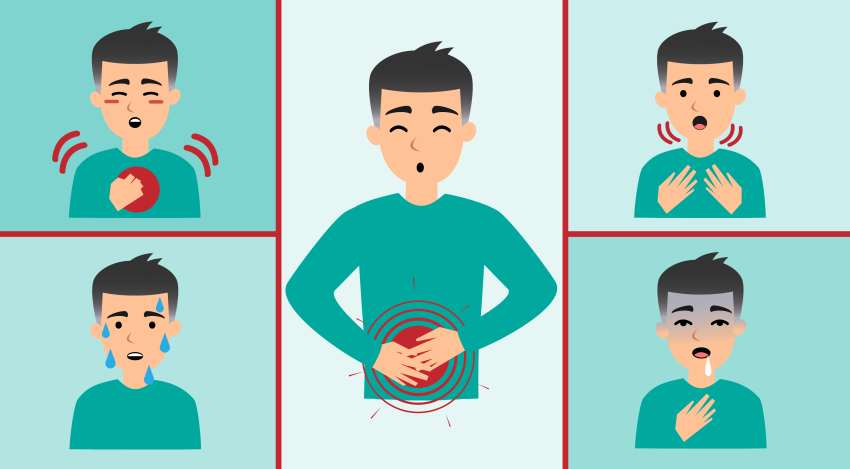
1. Unexplained Severe Fatigue
Persistent tiredness without a clear reason, even after rest, may be an early sign of reduced blood flow to the heart.
2. Mild Shortness of Breath
A person may feel slight difficulty breathing during simple activities such as climbing stairs, which should not be ignored.
3. Mild Chest Pain or Unclear Pressure
The pain is not always severe; sometimes it feels like pressure, heaviness, or discomfort in the center of the chest.
4. Pain in Unusual Areas
Pain may appear in the shoulder, left arm, jaw, or neck without any muscular cause.
5. Sudden Cold Sweating
Excessive sweating without physical effort or heat exposure may be an important warning sign.
6. Dizziness or Loss of Balance
Reduced blood flow to the heart may cause sudden dizziness or difficulty concentrating.
7. Sleep Disturbances
Insomnia or frequent nighttime awakening with discomfort may be linked to heart problems.
8. Nausea or Stomach Discomfort
In some cases, heart attack symptoms are mistaken for digestive issues such as acidity or nausea.
Who Is Most at Risk?
Certain groups are more likely to experience heart-related complications, including:
- Patients with high blood pressure
- Diabetes patients
- Smokers
- People with obesity
- Those with a family history of heart disease
- Individuals exposed to chronic stress
When Should You See a Doctor Immediately?
If multiple symptoms appear together or persist without improvement, you should seek emergency medical care immediately, especially if chest pain or shortness of breath is present.
Delaying treatment can lead to life-threatening complications.
How to Protect Yourself from a Heart Attack
Prevention is always better than treatment. You can reduce the risk by:
- Following a healthy low-fat diet
- Exercising regularly
- Quitting smoking
- Controlling blood pressure and blood sugar
- Reducing stress levels
- Regular heart check-ups
Conclusion
Silent symptoms of a heart attack can be misleading, but they are important early warning signs. Paying attention to your body and not ignoring unusual changes can save your life or the life of someone close to you.
If you experience any of these symptoms, seek medical help immediately. Early intervention is the key factor in saving the heart.