
Full Mouth Rehabilitation | Dr. Somaya Sobhy Abu Zeid
When multiple dental problems accumulate, such as severe decay, broken or worn teeth, missing teeth, or problems that affect chewing and the way the teeth come together, treating only one tooth may not be enough to achieve a comprehensive result. This is where full mouth rehabilitation can play an important role.
Full mouth rehabilitation is a comprehensive approach that evaluates the mouth as a whole and develops an individualized treatment plan to address dental problems, restore oral function, and improve the overall appearance of the smile.
📍 Dr. Somaya Sobhy Abu Zeid Clinic: Sheikh Zayed City – El Shabab Street – Agora Mall – Second Floor.
📞 For consultation and appointments:
01096101006
01100047418
💬 Consultation WhatsApp: 01096101006
💬 Appointment WhatsApp: 01011806864
What Is Full Mouth Rehabilitation?
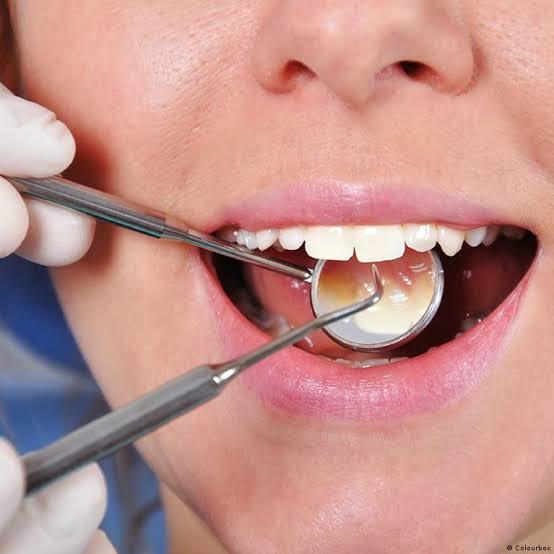
Full mouth rehabilitation is a comprehensive treatment plan developed after evaluating the teeth, gums, jaw relationship, and bite. The dentist then identifies the problems that need treatment and determines the appropriate sequence of procedures.
Full mouth rehabilitation does not mean that every tooth needs the same procedure. Some teeth may require fillings, while others may need root canal treatment or crowns. Missing teeth may also need to be replaced with bridges, dental implants, or other suitable restorations.
The main goal is to treat the mouth as one functional system rather than addressing every problem separately without considering its effect on the rest of the teeth.
When Might a Patient Need Full Mouth Rehabilitation?
A comprehensive treatment plan may be appropriate for patients who have several dental problems at the same time, such as:
- Multiple teeth affected by decay.
- Several broken or severely worn teeth.
- Missing teeth.
- Teeth that require restoration or coverage for protection.
- Teeth that require root canal treatment.
- Gum problems that need to be treated before restorative work.
- Problems affecting chewing or the relationship between the upper and lower teeth.
- Old dental restorations that require evaluation or replacement.
- A need to restore dental function and the overall appearance of the smile.
The treatment plan differs from one patient to another depending on the condition of the teeth, gums, supporting bone, and the number of teeth requiring treatment.
Why Does Full Mouth Rehabilitation Start With an Evaluation?
A comprehensive treatment plan begins with understanding the actual condition of the mouth.
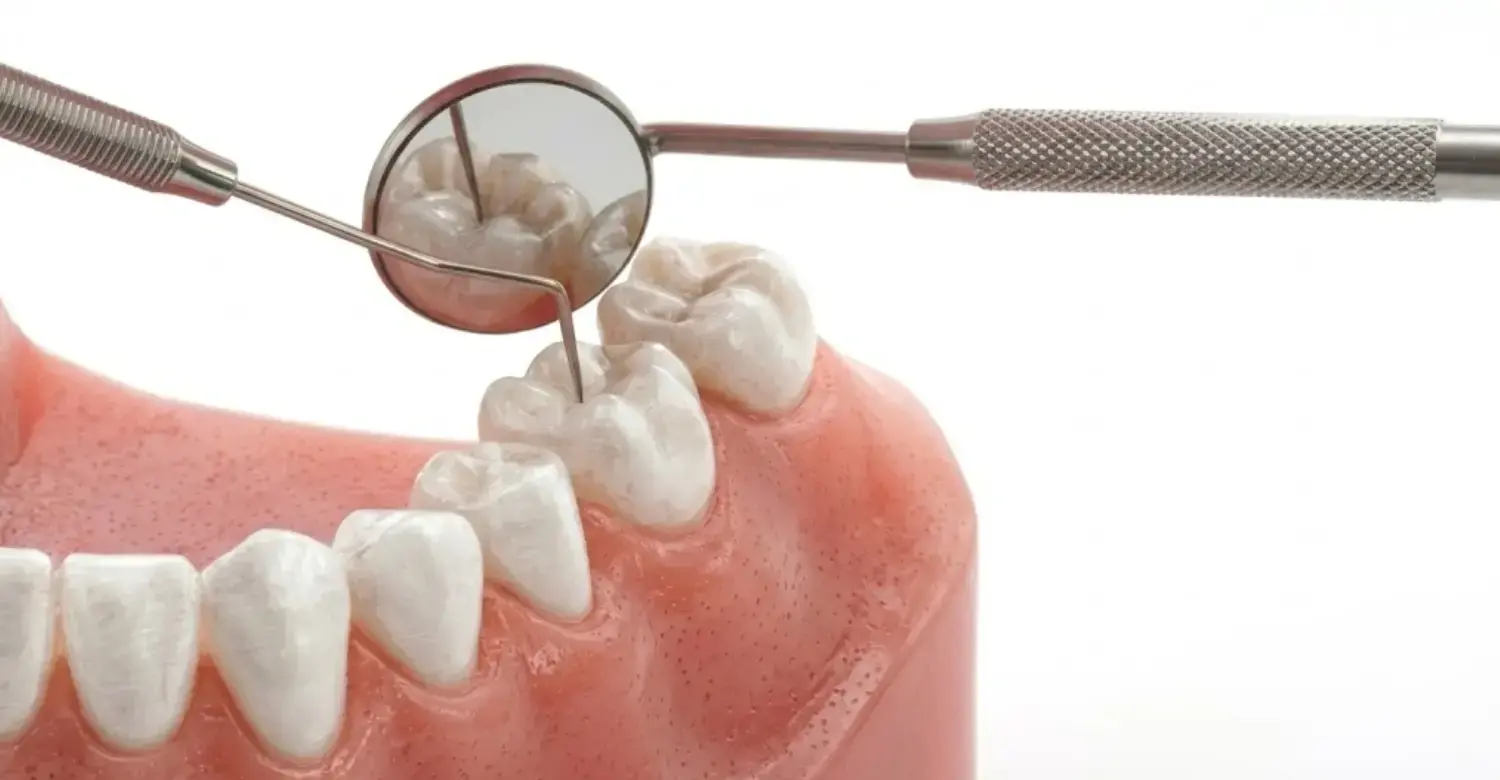
During the evaluation, the dentist may examine the teeth and gums, determine which teeth can be preserved, identify teeth that require restoration or replacement, and assess the bite and relationship between the teeth.
Depending on the case, dental X-rays or other diagnostic methods may also be required because some problems cannot be fully assessed through a visual examination alone.
This is why there is no single treatment plan that works for every patient. Each plan should be designed according to the patient's individual needs.
What Procedures May Be Included in Full Mouth Rehabilitation?
The treatment varies from case to case and may include several procedures.
Dental Fillings and Treatment of Tooth Decay
When teeth are affected by decay, the damaged areas can be treated with appropriate fillings. The goal is to stop the progression of decay and preserve as much healthy tooth structure as possible.
Root Canal Treatment
If decay or damage reaches the pulp of the tooth, root canal treatment may be needed to clean and disinfect the root canals and protect the tooth from continued infection or damage.
In some cases, a tooth that has undergone root canal treatment may also require a crown to restore its function and provide additional protection.
Crowns and Dental Restorations
Crowns can be used to restore teeth that have suffered significant damage or have lost a substantial amount of their structure.
The type of restoration depends on the condition of the tooth, the extent of damage, and the overall treatment goal.
Dental Bridges and Replacement of Missing Teeth
When one or more teeth are missing, a dental bridge may be one of the available replacement options in suitable cases.
A bridge can close the space created by missing teeth and help restore chewing function and the overall appearance of the teeth.
Dental Implants
For patients with missing teeth, dental implants may be one of the available replacement options.
An implant is placed into the jawbone and can serve as an anchor for a replacement tooth or teeth. Implants can also support bridges or full-arch restorations in certain cases.
Treatment of Gum Problems
Healthy gums are an important part of any comprehensive dental treatment plan. If gum disease or other gum problems are present, they may need to be addressed before certain restorative procedures are completed.
Maintaining healthy gums also plays an important role in maintaining natural teeth and dental restorations over time.
Does Full Mouth Rehabilitation Mean Replacing Every Tooth With an Implant?
No.
Full mouth rehabilitation does not necessarily mean placing implants for every tooth.
The goal is to preserve natural teeth that can be treated whenever appropriate and replace teeth that cannot be maintained when necessary.
Different teeth may require different treatments. One tooth may need a filling, another may require root canal treatment and a crown, while another area may require replacement because a tooth is missing.
This is why the appropriate treatment should be determined after examination rather than assuming that one procedure is suitable for every patient.
Can Full Mouth Rehabilitation Improve Dental Function?
Yes. One of the main goals of restorative dental treatment is to restore dental function, particularly chewing and other functions affected by damaged or missing teeth.
Medical dental references describe restorative dentistry as focusing on repairing or replacing damaged or missing teeth and improving oral health and function.
However, the expected outcome depends on the patient's individual condition, the procedures required, and adherence to the treatment and follow-up plan.
Bite Adjustment and Its Role in Full Mouth Rehabilitation
The bite refers to the way the upper and lower teeth meet when the mouth closes.
When multiple restorations or several missing teeth are being treated, the relationship between the teeth and chewing function should be considered when developing the treatment plan.
For this reason, comprehensive evaluation may include assessing the bite and determining how the teeth should be restored or replaced according to the patient's oral condition.
Is Full Mouth Rehabilitation Completed in One Visit?
Not necessarily.
The number of appointments and the overall treatment duration depend on the number of teeth requiring treatment, the procedures involved, gum health, and whether root canal treatment, dental implants, or other procedures are needed.
Simple cases are different from cases that require treatment of many teeth or replacement of multiple missing teeth.
The treatment stages and expected timeline can therefore be determined after examination and development of an individualized plan.
Why Is One Comprehensive Treatment Plan Important?
When several dental problems exist at the same time, the order of treatment can be important.
For example, the dentist may need to treat gum problems or severely affected teeth before proceeding with certain restorations or replacement procedures.
This approach helps organize the different stages of treatment and ensures that each procedure fits into the overall plan for the mouth.
How Can You Maintain the Results After Treatment?
Daily care and regular follow-up remain important after completing treatment.
Some important steps include:
- Brushing your teeth regularly using the correct technique.
- Using the dental cleaning methods recommended by your dentist.
- Paying special attention to areas around dental restorations.
- Avoiding habits that may damage teeth or restorations.
- Attending regular dental examinations.
- Contacting your dentist if you experience pain, sensitivity, or a problem with any restoration.
Ongoing oral care is essential for maintaining natural teeth, dental restorations, and healthy gums.
Full Mouth Rehabilitation in Sheikh Zayed With Dr. Somaya Sobhy Abu Zeid
If you have several dental problems and need a comprehensive treatment plan, you can schedule a consultation with Dr. Somaya Sobhy Abu Zeid at her clinic in Sheikh Zayed to evaluate your condition and develop a treatment plan based on your individual dental needs.
📍 Address: Sheikh Zayed City – El Shabab Street – Agora Mall – Second Floor.
💬 Consultation WhatsApp: 01096101006
💬 Appointment WhatsApp: 01011806864
📞 Clinic Phone: 01096101006
📞 Additional Phone: 01100047418
Conclusion
Full mouth rehabilitation is not a single procedure. It is a comprehensive treatment plan that varies from one patient to another according to the condition of the teeth, gums, bite, and missing teeth.
The plan may include fillings, root canal treatment, crowns, bridges, dental implants, or other restorative and replacement procedures, depending on the needs of each part of the mouth.
The first step is a thorough dental evaluation and a clear treatment plan designed to achieve healthier teeth, better oral function, and a more balanced smile.