


Teeth Cleaning and Tartar Removal in Tanta | Dr. Islam Safwat
Introduction
Maintaining clean teeth and healthy gums is essential for preventing many oral health problems. However, daily brushing and toothpaste do not always remove every deposit, particularly when plaque hardens into tartar that attaches firmly to the tooth surface. Dr. Islam Safwat is a point of contact for inquiries about professional teeth cleaning and tartar removal. A dental examination helps determine the appropriate type of cleaning and the needs of each patient.
Contact Information for Dr. Islam Safwat
📍 Address: El-Bahr Street at the intersection with El-Qady Street, above Emirates NBD Bank, Amer Tower, Fifth Floor, Tanta, Egypt.
📱 WhatsApp: 01272916656
📱 Additional phone: 01015422744
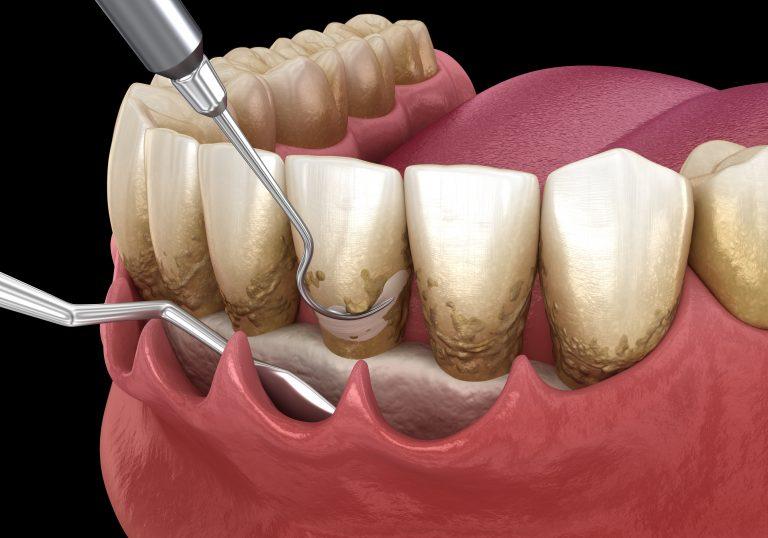
What Are Teeth Cleaning and Tartar Removal?
Professional teeth cleaning is a procedure designed to remove plaque, tartar, deposits, and surface stains using specialized dental instruments.
The process usually begins with plaque formation. Plaque is a thin layer containing bacteria that builds up on teeth, particularly when all tooth surfaces and the spaces between teeth are not cleaned regularly.
When plaque is not removed, minerals in saliva can cause it to harden into tartar. Unlike soft plaque, hardened tartar cannot be removed with regular brushing or flossing alone. It requires professional removal at a dental clinic.
What Is the Difference Between Plaque and Tartar?
Although plaque and tartar are related, they are not the same.
Plaque: A sticky layer of bacteria and other material that continually forms on teeth. Its buildup can be reduced by brushing twice daily and cleaning between teeth with floss or other suitable tools.
Tartar: Plaque that has accumulated and hardened through mineral deposits. It may appear yellow or brown, particularly near the gumline or behind the front teeth. Hardened tartar cannot be removed with an ordinary toothbrush and requires professional cleaning.
Understanding the difference highlights the importance of daily oral hygiene as well as professional cleaning when tartar has formed.
What Are the Signs of Tartar Buildup?
Tartar may not be noticeable at first, but certain signs can indicate its presence or possible gum irritation.
These may include:
-
Yellow or brown deposits near the gumline.
-
A rough feeling when running the tongue over the teeth.
-
Bleeding gums while brushing or flossing.
-
Red or swollen gums.
-
Persistent unpleasant breath.
-
Food particles collecting in certain spaces between the teeth.
These signs do not necessarily mean tartar is the only cause. Gum inflammation and other oral health problems may produce similar symptoms and require examination.
Why Is Professional Teeth Cleaning Important?
Tartar removal is not only intended to improve the appearance of teeth. It is also important for gum health and reducing bacterial deposits that may be difficult to reach with home cleaning.
Professional cleaning may help to:
-
Remove tartar above the teeth and around the gumline.
-
Reduce plaque and bacterial accumulation.
-
Improve gum health and reduce contributors to gum inflammation.
-
Remove some surface stains and discoloration.
-
Help reduce bad breath associated with deposits.
-
Make daily oral hygiene easier after hardened deposits are removed.
However, professional cleaning does not treat every cause of bad breath or gum inflammation. It also does not replace treatment for tooth decay or advanced gum disease when these conditions are present.
How Is a Professional Teeth Cleaning Session Performed?
The session usually begins with an examination of the teeth and gums to identify the location of tartar and determine the level of cleaning required.
The procedure may involve several steps:
Examination of the teeth and gums: The dentist reviews the condition of the teeth and gums, identifies deposits and stains, and checks for signs of inflammation or other problems requiring additional treatment.
Tartar removal: The dentist uses specialized hand instruments or devices, which may include ultrasonic scalers, to break down and remove tartar from tooth surfaces and around the gumline.
Surface stain removal: Suitable instruments or polishing materials may be used to remove some external stains and remaining deposits.
Polishing when appropriate: Polishing may improve the smoothness of the tooth surfaces and remove some remaining stains, depending on the patient's condition and the procedure performed.
The steps and duration vary according to the amount of tartar and gum condition. Patients with gum inflammation or deep periodontal pockets may need a more extensive cleaning that includes the root surfaces below the gumline.
Is Teeth Cleaning and Tartar Removal Painful?
Professional cleaning does not cause severe pain for many people, although some may feel vibrations or mild pressure while tartar-removal instruments are being used.
Temporary sensitivity to hot or cold drinks may occur. Some patients may also experience slight bleeding or gum discomfort, especially when inflammation or significant tartar buildup is already present.
Deep cleaning below the gumline may require local anesthesia to reduce discomfort during the procedure. The dentist determines the appropriate approach according to the patient's condition and the depth of the deposits.
Does Tartar Removal Weaken Teeth or Create Gaps?
A common misconception is that tartar removal weakens teeth or creates new spaces between them. Professional cleaning is not intended to remove healthy tooth structure or weaken the teeth.
Some people may notice spaces or changes in the appearance of their gums after tartar removal, particularly when large deposits have accumulated between the teeth. These spaces may have already existed but were partly filled or hidden by the tartar.
Teeth may also become temporarily sensitive after deposits are removed. This does not mean that healthy tooth structure has been removed. An examination of the gums and supporting bone can help identify the reason for any noticeable changes.
How Often Do You Need Professional Teeth Cleaning?
There is no single cleaning schedule that is appropriate for everyone. The recommended interval depends on how quickly tartar forms, gum health, daily oral hygiene, and overall oral health.
Some people may need routine cleaning at regular intervals, while others may require closer follow-up because of gum inflammation, periodontal disease, or repeated tartar buildup.
The dentist should determine the appropriate interval after examining the patient. A fixed schedule should not replace an assessment of individual needs.
How Can You Maintain Clean Teeth After Tartar Removal?
Daily oral care helps reduce plaque buildup and maintain gum health after professional cleaning.
Important habits include:
-
Brush twice daily for two minutes using fluoride toothpaste.
-
Use dental floss or interdental brushes once a day, depending on the spaces between your teeth.
-
Clean carefully around the gumline and the back surfaces of the teeth.
-
Reduce frequent consumption of sugary foods and sweetened drinks.
-
Avoid smoking, which increases the risk of gum disease.
-
Attend dental checkups and cleaning appointments as recommended.
-
Never attempt to remove hardened tartar using sharp household tools.
These habits help control plaque, but they cannot remove tartar that has already hardened. Professional cleaning remains necessary when solid deposits are present.
Teeth Cleaning and Tartar Removal with Dr. Islam Safwat in Tanta
If you notice tartar buildup, bleeding gums, or persistent bad breath, a dental examination can help identify the cause and determine the appropriate type of cleaning.
You can contact Dr. Islam Safwat to inquire about professional teeth cleaning and tartar removal and arrange an appointment at the clinic in Tanta.
📍 Address: El-Bahr Street at the intersection with El-Qady Street, above Emirates NBD Bank, Amer Tower, Fifth Floor, Tanta, Egypt.
📱 WhatsApp: 01272916656
📱 Phone: 01015422744
Conclusion
Professional teeth cleaning and tartar removal help eliminate hardened deposits and accumulated plaque, improve oral hygiene, and support gum health. Hardened tartar cannot be removed by brushing alone, so professional dental instruments are needed to remove it safely.
Maintaining the results depends on daily brushing, cleaning between teeth, and attending dental checkups as recommended. If you are looking for teeth cleaning and tartar removal in Tanta, you can contact Dr. Islam Safwat using the clinic's phone numbers to inquire about an appointment.
