
Tetralogy of Fallot Surgery for Children and the Role of Dr. Mahmoud El-Degwy in Repairing Heart Defects
Contact and Booking Information for Professor Dr. Mahmoud El-Degwy Ahmed
Professor Dr. Mahmoud El-Degwy Ahmed is a Professor and Consultant of Cardiothoracic Surgery at Kasr Al Ainy Faculty of Medicine, Cairo University.
Consultation fee: EGP 600.
Working hours: Evening appointments, with prior booking and registration.
Booking numbers: 01223822588 / 01110691461, with WhatsApp available.
Email: [email protected]
Clinic locations:
-
Heliopolis: 70 Abdel Aziz Fahmy Street, Saint Fatima Square, Heliopolis, Cairo.
-
Mohandessin: ABC Hospital Clinics, beginning of Syria Street from the Arab League Mosque side, Giza.
-
Maadi: Al-Horreya Street, Western Basatin, El Basatin District, Maadi, Cairo.
-
Dokki – B Care: 45 Dokki Street, fourth floor, above Farghaly Juices, next to Dokki Metro Station, Giza.
Tetralogy of Fallot Surgery for Children
Tetralogy of Fallot surgery for children is an important type of cardiac surgery used to treat a congenital heart defect that can affect blood flow through the heart and the amount of oxygen-rich blood reaching the body. Children with Tetralogy of Fallot require careful assessment by a specialized congenital heart team to determine the severity of the defect and the appropriate timing of treatment.
Professor Dr. Mahmoud El-Degwy Ahmed brings his experience in cardiothoracic surgery and congenital heart defect surgery, including cases that require precise surgical repair. Each child is evaluated individually based on their medical condition, test results, and cardiac anatomy, because the treatment plan for Tetralogy of Fallot can vary from one child to another.
Choosing a specialist experienced in pediatric heart surgery is an important step in the treatment journey, from initial evaluation and diagnosis through surgery and postoperative follow-up.
What Is Tetralogy of Fallot in Children?
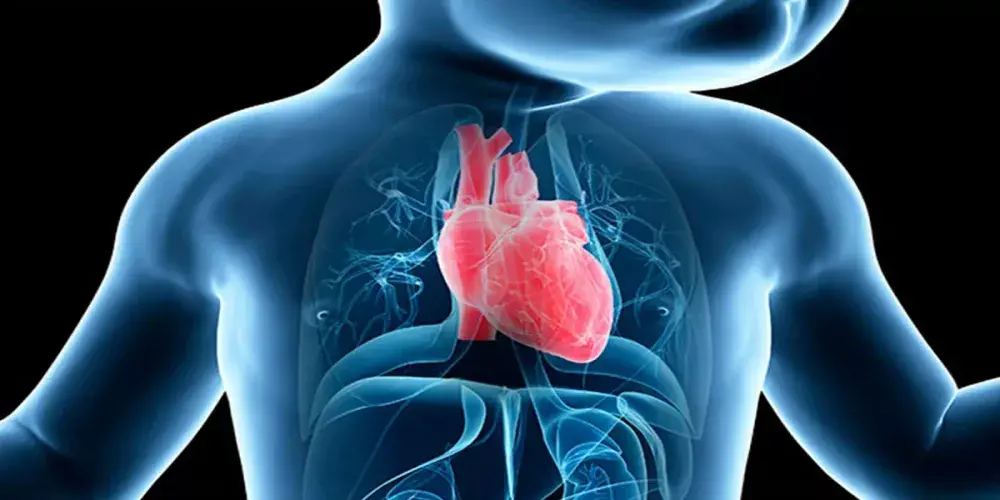
Tetralogy of Fallot is a congenital heart defect that is present from birth. It consists of four related structural abnormalities that affect the movement of blood between the heart, lungs, and the rest of the body.
The main abnormalities include a ventricular septal defect, narrowing of the pathway through which blood leaves the right ventricle toward the lungs, a change in the position of the aorta, and thickening of the right ventricular muscle.
The severity of Tetralogy of Fallot varies from one child to another. Therefore, Tetralogy of Fallot treatment depends on an individualized assessment of the defect and its effect on oxygen levels and heart function.
What Are the Symptoms of Tetralogy of Fallot in Children?
Symptoms vary depending on the severity of the condition and the child's age. They may include:
-
Bluish discoloration of the lips or skin.
-
Shortness of breath or rapid breathing.
-
Tiredness during feeding or physical activity.
-
Poor weight gain and growth in some cases.
-
Reduced exercise tolerance.
-
Sudden episodes of increased cyanosis or difficulty breathing in severe cases.
These symptoms do not necessarily mean that a child has Tetralogy of Fallot. A specialized medical examination and appropriate diagnostic tests are required to establish an accurate diagnosis.
How Is Tetralogy of Fallot Diagnosed?
Diagnosis usually begins with a clinical examination and listening to the child's heart. The physician may then request a number of tests to determine the nature of the congenital defect and its effect on blood circulation.
Important diagnostic tests may include:
-
Echocardiography.
-
Electrocardiogram (ECG).
-
Measurement of blood oxygen saturation.
-
Imaging studies when necessary.
-
Additional tests to assess blood vessels and cardiac anatomy in selected cases.
The results help determine whether the child requires observation, medical or interventional treatment, or Tetralogy of Fallot surgery.
When Does a Child Need Tetralogy of Fallot Surgery?
There is no single surgical timing that applies to every child. The decision to perform Tetralogy of Fallot repair surgery depends on several factors, including the child's age, symptoms, oxygen level, severity of the obstruction, and the anatomy of the heart and blood vessels.
Some children may require surgical intervention at an early stage, while other cases may initially be monitored or may require an interim procedure before complete repair, depending on the child's individual condition and the recommendation of the specialized medical team.
Therefore, the timing of surgery should be determined after a comprehensive assessment rather than being based on the child's age alone.
How Is Tetralogy of Fallot Repair Performed?
The goal of Tetralogy of Fallot surgery for children is to correct the major structural abnormalities and improve blood flow from the heart to the lungs and the rest of the body.
The surgical approach varies according to the child's cardiac anatomy and the severity of the defect. One of the main objectives of repair is to close the ventricular septal defect and improve the pathway through which blood leaves the right ventricle toward the lungs, while addressing the obstruction according to the individual anatomy.
This type of surgery requires a medical team experienced in pediatric congenital heart surgery, together with specialized care before, during, and after the procedure.
The Role of Dr. Mahmoud El-Degwy in Pediatric Heart Defect Repair

Professor Dr. Mahmoud El-Degwy Ahmed is a Professor and Consultant of Cardiothoracic Surgery at Kasr Al Ainy Faculty of Medicine, Cairo University. His professional experience includes complex open-heart surgery, coronary artery surgery, and heart valve repair and replacement.
He also specializes in congenital heart surgery for children, including cases that require surgical intervention to repair structural heart defects.
His qualifications and areas of experience include:
-
Professor of Cardiothoracic Surgery at Kasr Al Ainy Faculty of Medicine, Cairo University.
-
Consultant in coronary artery and heart valve surgery.
-
Specialized surgeon for congenital heart defects in children.
-
Experience in complex open-heart surgery.
-
Member of the Royal College of Surgeons of England.
-
Member of the Egyptian Society for Cardiothoracic Surgery.
-
More than 20 years of surgical experience.
What Is the Goal of Tetralogy of Fallot Repair?
The main goal of Tetralogy of Fallot repair is to improve blood flow from the heart to the lungs and reduce the impact of the congenital defect on circulation and oxygen delivery.
Surgery aims to address the major structural abnormalities associated with the condition, which may help improve heart function and reduce problems related to low oxygen levels and abnormal blood flow.
Outcomes vary from child to child, so the child's condition must be assessed individually before discussing expected surgical results and recovery.
What Happens After Tetralogy of Fallot Surgery?
After Tetralogy of Fallot repair, the child requires regular medical follow-up to ensure that the heart remains stable and that recovery is progressing appropriately.
The child may need periodic cardiac examinations, monitoring of growth and physical activity, and adherence to medications and medical instructions prescribed by the treating physician.
Recovery time varies depending on the child's general health, the type of surgical intervention, and the complexity of the condition.
Can a Child Live a Normal Life After Surgery?
Many children can enjoy an active life after Tetralogy of Fallot repair when appropriate medical follow-up is maintained. However, long-term monitoring remains important even after a successful operation.
The child may require regular evaluations to ensure that the heart continues to function properly and to monitor the heart valves and blood flow to the lungs as the child grows.
Therefore, treatment does not end when the operation is completed. Long-term follow-up with a pediatric cardiology and congenital heart specialist remains an important part of care.
Why Is Choosing a Specialist in Pediatric Congenital Heart Surgery Important?
Pediatric heart surgery requires specialized expertise because a child's heart differs in size, anatomy, and the types of congenital abnormalities that may be present.
In Tetralogy of Fallot cases, the details of the defect can differ significantly from one child to another. Therefore, the surgeon needs to carefully review the child's medical tests and cardiac imaging before determining the appropriate treatment plan.
Specialized postoperative care is also an essential part of treatment, as it helps monitor the child's development and identify any changes that may require further medical evaluation.
When Should You Consult a Pediatric Heart Surgeon?
When a child is diagnosed with Tetralogy of Fallot or another congenital heart defect, it is important to obtain an assessment from a specialist experienced in pediatric cardiology and congenital heart surgery.
Symptoms such as cyanosis, shortness of breath, poor growth, or persistent fatigue should not be ignored, particularly when they occur repeatedly or become more severe over time.
Following examination and diagnostic testing, the physician can determine whether the child requires observation, medical treatment, an interventional procedure, or Tetralogy of Fallot surgery for children.
Book an Appointment with Dr. Mahmoud El-Degwy
If your child has been diagnosed with Tetralogy of Fallot or another congenital heart defect, you can contact Professor Dr. Mahmoud El-Degwy Ahmed for a specialized assessment and to discuss the child's condition and the available medical and surgical treatment options.
Booking numbers: 01223822588 / 01110691461
WhatsApp: Available for booking and communication.
Email: [email protected]
Consultation fee: EGP 600.
Conclusion
Tetralogy of Fallot surgery for children is an important treatment for a congenital heart defect that can affect blood circulation and oxygen levels. The choice of treatment and the appropriate timing of surgery depend on an accurate diagnosis, the severity of the condition, the anatomy of the heart, and the results of the required examinations.
With the experience of Professor Dr. Mahmoud El-Degwy Ahmed in cardiothoracic surgery and congenital heart surgery for children, families can obtain a specialized assessment that helps them understand the child's condition and the available treatment options, while keeping the child's safety and well-being at the center of the treatment journey.
```