The Child Content Creator: A Dream of Fame or a Silent Psychological Threat?
Between the camera and childhood, a fragile line emerges—are children expressing creativity, or losing their emotional safety online?
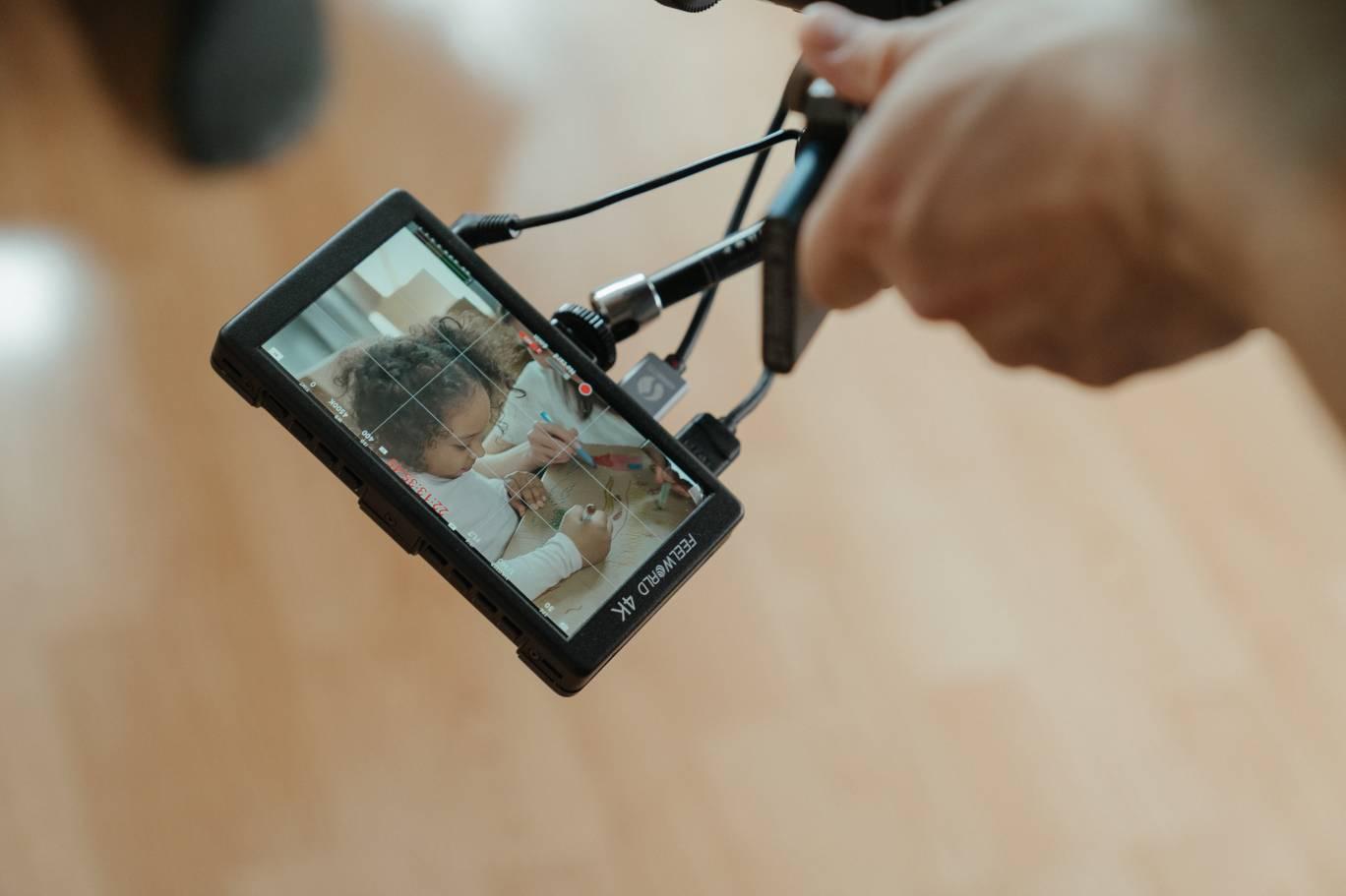
Children are no longer just viewers on social media platforms; many have become daily content creators, appearing in videos that range from entertainment to emotional storytelling. What once seemed like harmless fun has evolved into a phenomenon raising serious psychological concerns.
Experts warn that early exposure to constant filming and public feedback can place immense pressure on children, especially when content creation becomes an obligation rather than a choice. While positive guidance can help develop confidence and communication skills, excessive exposure may lead to anxiety, isolation, or emotional exhaustion.
Mental health specialists emphasize that forcing a child to appear on camera against their will violates their psychological boundaries and may constitute emotional abuse. In such cases, children may begin to associate their self-worth with public approval, creating long-term emotional vulnerabilities.
Over time, these experiences can result in low self-esteem, fear of failure, difficulty setting boundaries, and increased susceptibility to exploitation in later life.
Professionals agree that the solution is not banning children from social media entirely, but establishing clear limits that prioritize the child’s well-being, consent, and privacy—allowing creativity to flourish without sacrificing emotional safety.
Childhood is not content. It is the foundation of identity, and once shaken, its cracks can last a lifetime.

Regular health screening is one of the most important steps to maintain good health and detect diseases early. The essential medical checkups for every age help in preventing complications and ensuring a healthier life.

Many people, after doing medical tests, receive their results and immediately start looking at numbers and unfamiliar terms like (High – Low – Normal) without fully understanding what they actually mean.

When dealing with medical services, many people come across different titles for doctors such as “Specialist” and “Consultant”, which can sometimes create confusion about what each title actually means and how they differ from each other.

Choosing the right time to visit a doctor is not a random decision. It can directly affect how quickly a condition is diagnosed and how effective the treatment will be. Many people delay visiting a doctor or go at the wrong time, which may lead to worsening symptoms or delayed care.
