
The Endocrine System in the Human Body: Importance, Functions, and Most Common Diseases
Introduction
The endocrine system is one of the most vital systems in the human body. It controls essential functions such as growth, metabolism, blood sugar regulation, and mood stability. It works by releasing hormones directly into the bloodstream, which then travel to target organs to regulate their functions precisely.
Any imbalance in these glands can affect the entire body, not just a single organ.
What Is the Endocrine System?
The endocrine system consists of a group of glands that do not have ducts. Instead, they secrete hormones directly into the bloodstream, which then carry them to target organs to regulate various bodily functions.
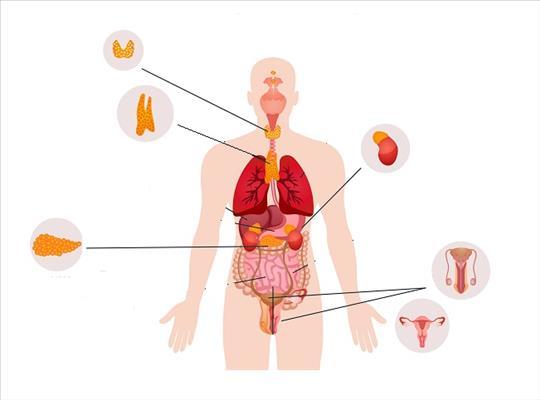
The main endocrine glands include:
Pituitary gland
Thyroid gland
Parathyroid glands
Adrenal glands
Pancreas (endocrine part)
Gonads (reproductive glands)
Functions of the Endocrine System
The endocrine system plays a crucial role in regulating many bodily functions, including:
Blood sugar regulation
Growth and development
Blood pressure control
Metabolism regulation
Mood and sleep regulation
Reproductive system functions
Main Endocrine Glands and Their Functions
1. Pituitary Gland
Known as the "master gland" because it controls most other endocrine glands and produces hormones responsible for growth and reproduction.
2. Thyroid Gland
Regulates metabolism and energy levels. Any dysfunction may lead to significant weight gain or loss.
3. Adrenal Glands
Produce important hormones such as adrenaline and cortisol, which help the body respond to stress and regulate blood pressure.
4. Pancreas
Controls blood sugar levels by secreting insulin. Any dysfunction may lead to diabetes.
Most Common Endocrine Diseases
1. Diabetes Mellitus
Occurs due to insufficient insulin production or insulin resistance, leading to high blood sugar levels.
2. Thyroid Disorders
Hypothyroidism: causes slow metabolism and weight gain
Hyperthyroidism: causes weight loss and increased heart rate
3. Growth Disorders
Occur in children due to abnormalities in growth hormone production.
4. Adrenal Disorders
May cause blood pressure abnormalities and problems in stress response.
Symptoms of Endocrine Disorders
Unexplained weight changes
Persistent fatigue
Sleep disturbances
Mood changes
Increased or decreased appetite
Menstrual irregularities in women
Causes of Endocrine Disorders
Genetic factors
Autoimmune diseases
Infections
Poor nutrition
Chronic stress
Tumors in glands (in some cases)
Diagnosis Methods
Blood tests to measure hormone levels
Imaging of endocrine glands
Clinical examination
Medical history evaluation
Treatment Methods
Treatment depends on the condition and may include:
Hormone replacement therapy
Medications to regulate hormones
Lifestyle changes
Surgery in some cases
Prevention of Endocrine Diseases
Maintain a healthy diet
Regular physical activity
Stress management
Adequate sleep
Regular medical checkups
Conclusion
The endocrine system plays a fundamental role in regulating all major body functions. Any imbalance can lead to various health problems. Early diagnosis and regular medical follow-up are essential to maintain hormonal balance and overall health.