
Chest Surgery and VATS: When Is Surgical Intervention Needed? | Dr. Mohamed Hassan Abdullah
Chest surgery includes a range of important surgical procedures used to treat different conditions affecting the lungs, pleura, and surrounding structures. With advances in surgical techniques, Video-Assisted Thoracoscopic Surgery (VATS) has become an option for selected patients, allowing surgeons to access the chest through small surgical incisions when appropriate.
📞 For appointments and inquiries with Dr. Mohamed Hassan Abdullah – Consultant of Cardiothoracic Surgery:
Gardenia Clinics: 01119226555 / 0223621602
Damanhour Cardiac Center (DCC): 01028888719 / 0453333372 / 01028888716
Military Production Hospital: 0228167051

1. What Is Chest Surgery?
Chest surgery refers to a group of surgical procedures used to treat conditions affecting organs and tissues within the chest, including the lungs, pleura, and surrounding structures.
The type of surgery varies depending on the nature, location, and severity of the condition, as well as the patient's overall health.
Surgery may be performed to treat a specific problem, remove damaged tissue, or obtain a tissue sample to help establish an accurate diagnosis.
2. What Is VATS?
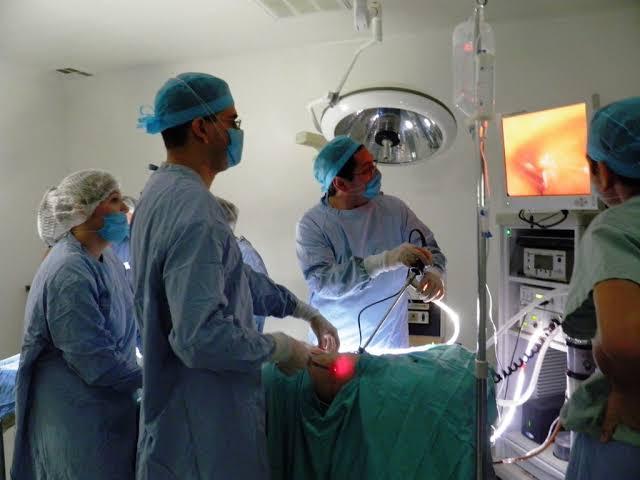
Video-Assisted Thoracoscopic Surgery (VATS) is a minimally invasive surgical technique that allows the surgeon to access the chest using a camera and specialized surgical instruments through small incisions in the chest wall.
This approach differs from some traditional chest surgeries, which may require a larger incision to access the chest.
VATS is not suitable for every condition, so the surgeon determines whether it is appropriate after evaluating the patient's condition and reviewing the necessary medical tests and imaging.
3. Which Conditions May Require Chest Surgery?
Many conditions may require evaluation by a chest surgeon, and the decision to perform surgery depends on the nature and severity of the problem.
Conditions that may require surgical intervention can include:
-
Certain lung diseases.
-
Some pleural conditions.
-
Fluid accumulation around the lung in certain cases.
-
Certain masses or nodules that require evaluation or removal.
-
Conditions requiring a tissue biopsy.
-
Certain chest injuries that require surgical treatment.
The appropriate procedure is determined after evaluating the patient and reviewing the relevant medical tests.
4. What Are the Benefits of VATS?
When VATS is appropriate for a particular patient, it allows the surgeon to access the chest through smaller incisions compared with some traditional surgical procedures.
This may result in smaller surgical wounds and less postoperative pain for some patients, with gradual recovery and return to normal activities depending on the procedure and the patient's health.
However, VATS cannot be used for every condition, and traditional open surgery may be the more appropriate option in certain cases.
5. Is VATS Suitable for Every Patient?
No.
The suitability of thoracoscopic surgery depends on several factors, including the type, location, and size of the condition, as well as the patient's overall health and the nature of the required procedure.
In some cases, the surgeon may determine that traditional surgery is more appropriate or safer.
The surgical approach is therefore selected after a comprehensive evaluation.
6. How Are Conditions Requiring Chest Surgery Diagnosed?
Diagnosis usually begins with reviewing the patient's symptoms and medical history, followed by a physical examination.
Depending on the condition, the patient may need medical imaging such as a chest X-ray or CT scan.
In some cases, additional tests or a tissue biopsy may be required to establish a more accurate diagnosis.
These findings help determine whether surgical intervention is necessary and which surgical technique may be most appropriate.
7. What Symptoms Require Specialist Evaluation?
Symptoms vary depending on the underlying condition, but persistent or unusual symptoms should be medically evaluated.
These may include:
-
Persistent shortness of breath.
-
Chest pain.
-
Persistent cough.
-
Coughing up blood.
-
Difficulty breathing.
-
Recurrent fluid accumulation around the lung.
-
Unexplained weight loss accompanied by chest-related symptoms.
These symptoms do not necessarily mean that surgery is required, but they should be evaluated to determine their underlying cause.
8. How Does a Patient Prepare for Chest Surgery?
Before surgery, the patient's overall health is evaluated to determine whether they are ready for the procedure.
Preparation may include reviewing the patient's medical history and medications, performing the necessary laboratory tests and examinations, and assessing heart and lung function when needed.
The medical team provides specific instructions regarding medications, nutrition, smoking, and physical activity according to the type of procedure and the patient's condition.
9. What Happens After Chest Surgery?
Recovery time varies depending on the type of surgery, the technique used, and the patient's overall health.
Some patients may experience pain or fatigue during the initial recovery period, which is managed according to the care plan provided by the medical team.
Patients should follow their doctor's instructions regarding movement, medications, wound care, and follow-up appointments.
10. When Is Traditional Surgery Preferred Over VATS?
Although VATS is an appropriate option for many conditions, it is not possible or suitable for every patient.
Traditional surgery may be necessary when wider access to the chest is required or when the nature of the condition makes thoracoscopic surgery unsuitable.
The surgeon determines the most appropriate technique after reviewing the patient's condition, medical tests, and imaging.
11. Dr. Mohamed Hassan Abdullah | Consultant of Cardiothoracic Surgery
Dr. Mohamed Hassan Abdullah provides specialized cardiothoracic surgical services, including:
-
Open-heart surgery.
-
Coronary artery bypass surgery.
-
Heart valve surgery.
-
Minimally invasive surgery.
-
Chest surgery.
-
Video-Assisted Thoracoscopic Surgery (VATS).
12. Clinic Locations and Working Hours
Saturday | Military Production Hospital
🕐 1:00 PM
☎️ 02-28167051
Monday | Gardenia Clinics
📍 35 Al Qasr Al Ainy Street
🕐 8:00 PM
📞 01119226555 / 02-23621602
Wednesday | Arab Contractors Hospital
🕐 12:00 PM
Friday | Damanhour Cardiac Center (DCC)
📍 Inside Dar Al Shifa Hospital, Damanhour, Beheira
📌 Appointments by prior booking
📞 01028888719
☎️ 0453333372
📞 01028888716
Conclusion
Chest surgery and VATS are used to manage a wide range of conditions affecting the chest. The choice of surgical technique depends on the nature of the condition and the patient's individual health status.
VATS may be an appropriate option for certain patients, while others may require traditional surgery.
A specialist evaluation, together with the appropriate medical tests and imaging, helps determine the diagnosis and the most suitable treatment approach.
Dr. Mohamed Hassan Abdullah – Consultant of Cardiothoracic Surgery