

🦋 Goiter Treatment in Faisal | Prof. Dr. Ahmed Yousry Awad
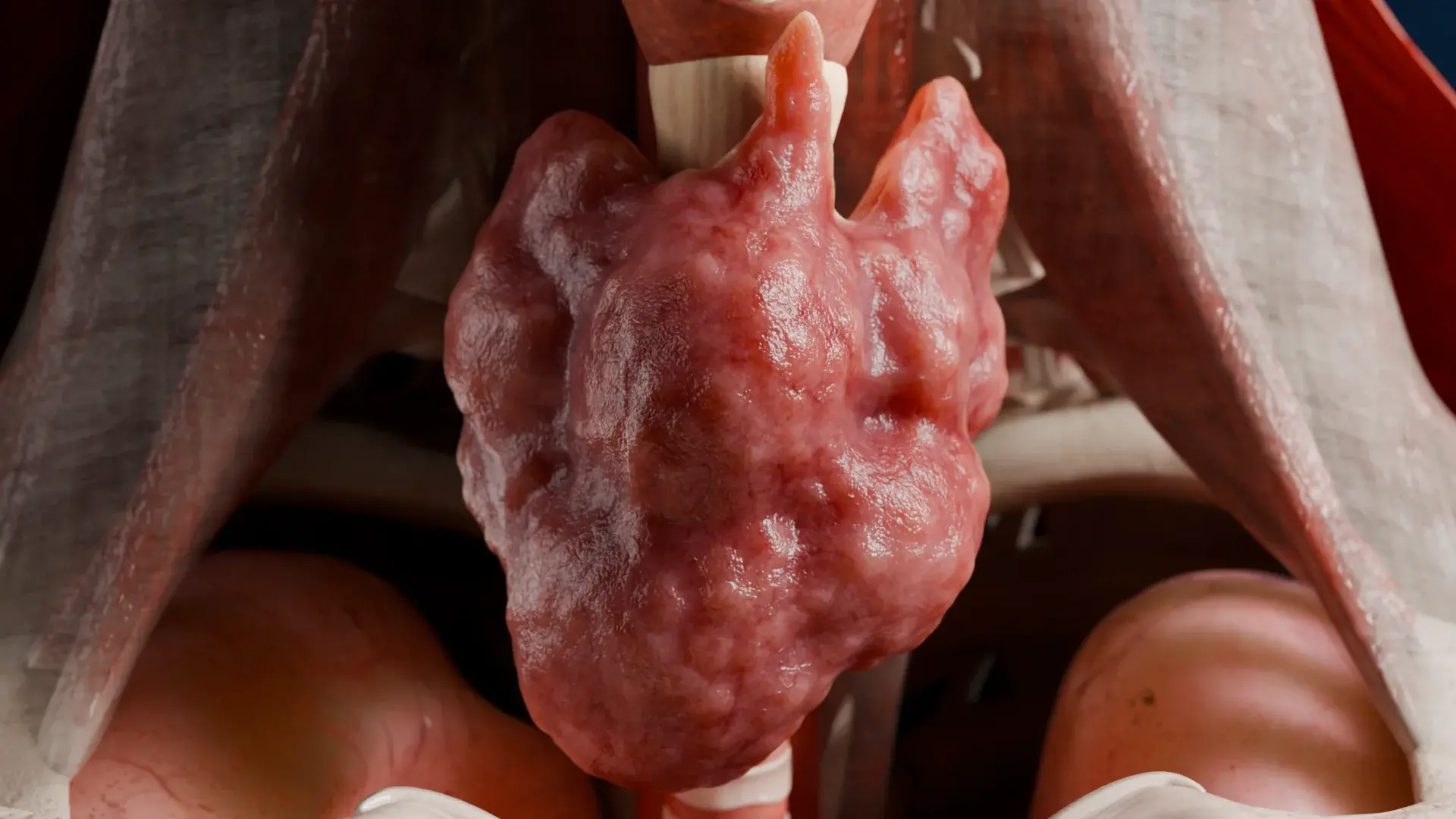
A goiter, or enlarged thyroid gland, may appear as swelling or a noticeable lump in the lower part of the neck. In some cases, it may be discovered accidentally during a routine examination or a neck ultrasound. While some goiters are small and may only require regular monitoring, other cases need careful evaluation to identify the underlying cause and determine the most appropriate treatment.
In Faisal and Giza, Prof. Dr. Ahmed Yousry Awad, Professor of Thyroid Enlargement and Thyroid Surgery, Tumor Surgery, and Endocrine and Neck Surgery at the Faculty of Medicine, provides specialized evaluation and treatment for patients with thyroid enlargement and thyroid nodules. Treatment may include medical follow-up, medication, or surgical intervention when necessary.
📍 Clinic Address: Plaza Medical Tower – First Faisal – Above Gomla Market – 4th Floor.
📞 For appointments and inquiries: 01551212969
💬 WhatsApp: 01061198937
⏰ Clinic Hours: Saturday and Tuesday from 7:00 PM to 10:00 PM, by appointment.
⭐ Prof. Dr. Ahmed Yousry Awad | Thyroid Surgeon in Faisal
Prof. Dr. Ahmed Yousry Awad specializes in endocrine and neck surgery, including goiter surgery, thyroidectomy, and the evaluation and surgical management of thyroid nodules and tumors.
Treatment of an enlarged thyroid begins by identifying its underlying cause. Goiter may occur when thyroid function is normal, increased, or decreased. It may also be associated with a single thyroid nodule or multiple nodules.
Therefore, the purpose of a medical consultation is not simply to reduce the size of the thyroid gland, but to establish an accurate diagnosis and determine whether the patient needs observation, medication, further investigations, or surgery.
🩺 What Is a Goiter?
A goiter is an abnormal enlargement of the thyroid gland, which is located in the lower front part of the neck.
The enlargement may involve the entire thyroid gland or may be associated with one thyroid nodule or multiple nodules.
Having a goiter does not necessarily mean that the thyroid gland is not functioning properly. Thyroid function may remain normal, or the gland may produce excessive or insufficient thyroid hormones.
🔎 What Causes an Enlarged Thyroid?
The causes of goiter vary from one patient to another. Therefore, proper medical evaluation is important rather than relying only on the appearance or size of the swelling.
Conditions associated with thyroid enlargement may include:
- Thyroid function disorders.
- Hypothyroidism.
- Hyperthyroidism.
- Hashimoto's thyroiditis in some cases.
- Graves' disease.
- A single thyroid nodule.
- Multiple thyroid nodules or multinodular goiter.
- Some forms of thyroiditis.
- Iodine deficiency in certain environments and medical conditions.
For this reason, goiter treatment should begin with identifying the underlying cause rather than simply attempting to reduce the size of the thyroid gland.
⚠️ What Are the Symptoms of a Goiter?
A goiter may not cause noticeable symptoms, especially when it is small. It may sometimes be discovered during a routine medical examination or imaging of the neck.
However, as the thyroid becomes larger, some symptoms may develop, including:
- Visible swelling or a lump in the lower neck.
- A feeling of pressure or fullness in the neck.
- Difficulty swallowing.
- Shortness of breath or difficulty breathing in some cases.
- Coughing.
- Hoarseness or changes in the voice.
- Progressive enlargement of the thyroid.
Other symptoms may be related to increased or decreased thyroid activity. Thyroid function testing can help determine whether the enlargement is associated with a hormonal disorder.
🧪 How Is a Goiter Diagnosed?
Diagnosis of an enlarged thyroid involves evaluating the size of the thyroid, identifying the cause of the enlargement, and checking thyroid function. More than one test may be required depending on the patient's condition.
1️⃣ Physical Examination
The doctor begins by examining the neck and thyroid gland, assessing the size of the enlargement and checking for nodules or other findings that may require further investigation.
2️⃣ Thyroid Function Tests
The doctor may request thyroid function tests such as TSH and Free T4, along with other tests when appropriate.
These tests help determine whether the thyroid is functioning normally or whether there are signs of hyperthyroidism or hypothyroidism.
3️⃣ Thyroid Ultrasound
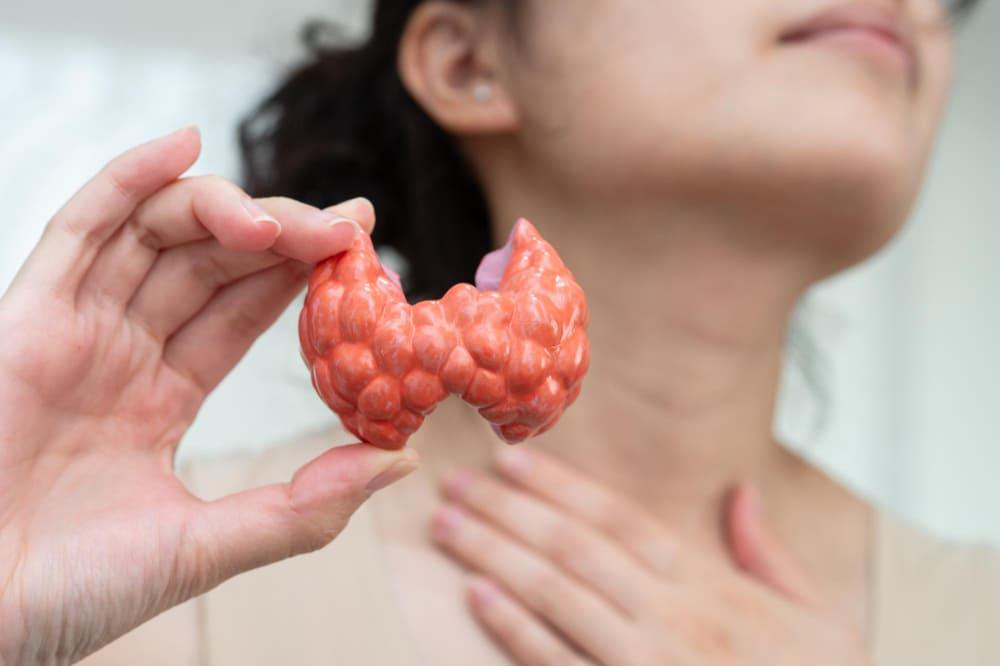
A thyroid ultrasound is used to evaluate the size and structure of the thyroid gland and identify any nodules. Ultrasound characteristics can help determine whether additional evaluation is needed.
4️⃣ Fine Needle Aspiration Biopsy – FNA
If an ultrasound identifies a thyroid nodule that requires further assessment, the doctor may recommend a fine needle aspiration biopsy (FNA), depending on the characteristics of the nodule and the patient's test results.
5️⃣ Additional Tests When Needed
Some patients may require additional investigations depending on the cause of the thyroid enlargement, thyroid function, the presence of nodules, and any pressure-related symptoms.
💊 How Is Goiter Treated?
There is no single treatment that is suitable for every case of goiter. Treatment depends on the cause, size, thyroid function, symptoms, and possible complications.
🔹 Medical Monitoring
If the goiter is small, does not cause symptoms, and thyroid function is normal, the doctor may recommend regular monitoring and periodic examinations in some cases.
🔹 Medication
If the enlargement is associated with hypothyroidism, the doctor may prescribe thyroid hormone replacement therapy according to laboratory results and the patient's condition.
For hyperthyroidism, antithyroid medications or other medications may be used to control excessive thyroid hormone production and related symptoms, depending on the cause and individual condition.
🔹 Radioactive Iodine Treatment
In some cases of hyperthyroidism, radioactive iodine therapy may be considered. The thyroid absorbs radioactive iodine, which can reduce thyroid activity and may decrease the size of the enlarged gland in certain cases.
🔹 Surgery
Thyroidectomy may be an appropriate treatment option in certain cases, particularly when the goiter becomes large and causes difficulty swallowing or breathing. Surgery may also be considered when there are nodules, tumors, or certain cases of hyperthyroidism that require surgical treatment.
🏥 When Is Goiter Surgery Necessary?
Not every goiter requires surgery.
However, the doctor may consider partial or total thyroidectomy when the enlargement becomes large enough to put pressure on the airway or esophagus, or when thyroid nodules or diagnostic findings indicate that surgery may be necessary.
Surgery may also be considered in certain cases of hyperthyroidism or when there is suspicion of thyroid cancer.
The type of surgery and extent of thyroid removal depend on the diagnosis and the patient's individual condition.
🩻 Does an Enlarged Thyroid Mean Cancer?
No. An enlarged thyroid does not necessarily mean cancer.
Goiter can develop for many different reasons and may be associated with benign thyroid nodules or thyroid function disorders.
However, the presence of a thyroid nodule, rapid enlargement, or certain symptoms may require more detailed evaluation. Depending on the case, this may include ultrasound and fine needle aspiration biopsy.
Therefore, the nature of thyroid enlargement cannot be determined from its size or appearance alone.
👨⚕️ Goiter Treatment in Faisal with Prof. Dr. Ahmed Yousry
Prof. Dr. Ahmed Yousry Awad provides specialized evaluation for patients with thyroid enlargement and thyroid nodules at his clinic in First Faisal.
The evaluation process includes reviewing symptoms and medical history, examining the thyroid gland, reviewing laboratory and ultrasound results, and determining whether the patient needs monitoring, medical treatment, additional investigations, or surgery.
The goal is to develop a treatment plan based on the cause of the enlargement and the patient's condition rather than treating all cases in the same way.
🎯 Why Is Early Evaluation of a Goiter Important?
Early evaluation can help identify the cause of thyroid enlargement, monitor its size, and assess thyroid function, especially when the enlargement continues to grow or is associated with symptoms.
When surgery is not required, regular follow-up may be sufficient in some cases. However, cases associated with pressure symptoms, thyroid nodules, or tumors may require more specialized evaluation.
📋 What Happens After Thyroid Surgery?
Follow-up after thyroid surgery varies depending on the type of procedure, the amount of thyroid tissue removed, the reason for surgery, and the results of the pathology examination.
After a total thyroidectomy, patients generally need daily thyroid hormone replacement therapy to maintain appropriate thyroid hormone levels.
After partial thyroid surgery, the need for hormone replacement depends on the function of the remaining thyroid tissue and follow-up laboratory results.
💙 When Should You See a Thyroid Specialist?
Medical evaluation is recommended when you notice a new lump or swelling in the neck, or when an existing thyroid enlargement becomes larger, particularly if it is associated with:
- Difficulty swallowing.
- Difficulty breathing.
- Persistent hoarseness.
- A noticeable feeling of pressure in the neck.
- A thyroid nodule detected on ultrasound.
- Abnormal thyroid function test results.
These symptoms do not necessarily indicate a serious condition, but they should be evaluated to identify the cause and determine the appropriate treatment.
📍 Goiter Treatment Doctor in Faisal | Prof. Dr. Ahmed Yousry Awad
If you have an enlarged thyroid, thyroid nodules, or swelling in the neck, you can schedule an evaluation with Prof. Dr. Ahmed Yousry Awad, Professor of Thyroid Enlargement and Thyroid Surgery, Tumor Surgery, and Endocrine and Neck Surgery.
📍 Address: Plaza Medical Tower – First Faisal – Above Gomla Market – 4th Floor.
📞 Phone: 01551212969
💬 WhatsApp: 01061198937
⏰ Appointments: Saturday and Tuesday from 7:00 PM to 10:00 PM, by appointment.
📞 Book an Appointment with Prof. Dr. Ahmed Yousry Awad
For inquiries about goiter treatment, thyroid nodules, thyroidectomy, or evaluation of thyroid ultrasound and laboratory results:
