
Thyroid Function Testing in Faisal | Prof. Dr. Ahmed Yousry Awad
📍 Clinic Address: Plaza Medical Tower – First Faisal – Above Gomla Market – 4th Floor
📞 For Appointments & Inquiries: 01551212969
💬 WhatsApp: 01061198937
🕐 Clinic Hours: Saturday and Tuesday from 7:00 PM to 10:00 PM
Thyroid Function Testing in Faisal with Prof. Dr. Ahmed Yousry Awad
A thyroid function test is one of the most important medical evaluations used to detect thyroid disorders and determine whether the thyroid gland is functioning normally or producing too much or too little thyroid hormone. Many patients search for thyroid function testing in Faisal when they experience symptoms such as rapid heartbeat, unexplained weight loss or gain, fatigue, excessive sweating, sensitivity to cold or heat, and sleep disturbances.
If you are looking for a thyroid doctor in Faisal and Giza, Prof. Dr. Ahmed Yousry Awad, Professor of Thyroid Enlargement and Thyroid Tumor Surgery, provides specialized evaluation and management of thyroid conditions. The medical assessment may include clinical examination, thyroid function tests, ultrasound examination, thyroid nodule evaluation, and developing an appropriate treatment plan according to each patient's condition.
A thyroid function test may include several hormonal blood tests, particularly TSH, FT4, and FT3. These tests help the physician evaluate thyroid function and determine whether the patient may need medical treatment, regular monitoring, or further specialized assessment.
What Is Thyroid Function Testing?
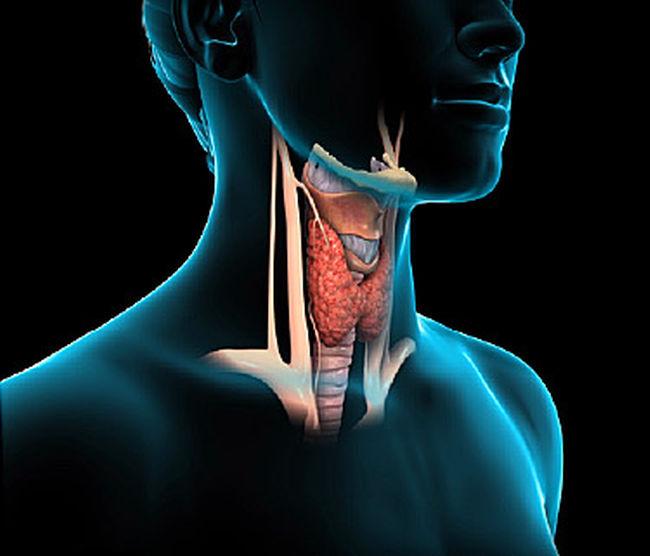
The thyroid gland is a small gland located at the front of the neck. It produces hormones that play an essential role in regulating several body functions, including metabolism, energy levels, body temperature, and heart rate.
When thyroid hormone production becomes abnormal, different symptoms may develop depending on whether the thyroid gland is overactive or underactive.
Therefore, thyroid function testing does not depend on a single symptom or test result. The physician evaluates the patient's symptoms, medical history, clinical examination, and laboratory results. Additional tests may be recommended depending on the patient's condition.
What Are the Main Thyroid Function Tests?
When performing a thyroid function test, the physician may request a group of laboratory tests. The appropriate tests are selected according to the patient's symptoms, medical history, and clinical examination.
TSH Test
The TSH test is one of the most commonly used tests for evaluating thyroid function. It helps physicians assess how the thyroid gland is functioning and identify possible thyroid disorders.
A high or low TSH level should not be interpreted on its own. The result should be evaluated together with other thyroid hormone tests, symptoms, and the patient's overall medical condition.
FT4 Test
The FT4 or Free T4 test measures the level of free thyroxine in the blood. It helps evaluate thyroid function, particularly when hyperthyroidism or hypothyroidism is suspected.
FT3 Test
The physician may request an FT3 test in certain cases, particularly when symptoms suggest an overactive thyroid or when a more detailed assessment of thyroid function is required.
It is important not to rely on a single laboratory result to establish a diagnosis or start treatment. Proper interpretation of thyroid function tests requires correlation between laboratory findings and the patient's clinical condition.
When Is Thyroid Function Testing Recommended?
A physician may recommend a thyroid function test when a patient develops symptoms that may be associated with thyroid disorders.
Common signs that may require thyroid evaluation include:
-
Unexplained weight gain or weight loss.
-
Rapid heartbeat or palpitations.
-
Persistent fatigue and low energy.
-
Excessive sweating or heat intolerance.
-
Persistent sensitivity to cold.
-
Sleep disturbances.
-
Anxiety, nervousness, or mood changes.
-
Hair weakness or hair loss.
-
Swelling or enlargement in the neck.
-
Difficulty swallowing or pressure in the neck.
-
Menstrual irregularities in some women.
These symptoms do not necessarily mean that a person has a thyroid disorder. Therefore, medical examination and thyroid function testing are important steps toward reaching an accurate diagnosis.
Can Thyroid Function Testing Detect Thyroid Enlargement?
Thyroid function tests help determine how well the thyroid gland is functioning hormonally, but they are not sufficient on their own to evaluate all types of thyroid enlargement or thyroid nodules.
When thyroid enlargement or a neck lump is detected, the physician may recommend a thyroid ultrasound to assess the size of the gland, the number and dimensions of nodules, and their structural characteristics.
In certain cases, a Fine Needle Aspiration biopsy (FNA) may be recommended for a thyroid nodule if the ultrasound and clinical evaluation indicate that further assessment is necessary.
Therefore, thyroid evaluation is based on an integrated assessment rather than relying on a single laboratory test.
The Difference Between Hyperthyroidism and Hypothyroidism
Thyroid disorders may occur when the thyroid gland produces excessive amounts of hormones or when hormone production becomes insufficient.
Hyperthyroidism
When the thyroid gland produces more hormones than the body needs, symptoms may include:
-
Unexplained weight loss.
-
Increased heart rate.
-
Excessive sweating.
-
Nervousness and anxiety.
-
Tremors.
-
Difficulty sleeping.
-
Heat intolerance.
Hypothyroidism
When the thyroid gland produces insufficient hormones, a patient may experience:
-
Weight gain.
-
Fatigue and lethargy.
-
Sensitivity to cold.
-
Dry skin.
-
Weakness or hair loss.
-
Slow heart rate in some cases.
-
Difficulty concentrating.
-
Sleepiness or reduced activity.
The type of thyroid disorder is determined through thyroid function tests along with a detailed assessment of symptoms and clinical examination.
How Are Thyroid Disorders Diagnosed?
Diagnosis usually begins with understanding the patient's symptoms and medical history, followed by a clinical examination of the neck and thyroid gland.
The evaluation may include:
Clinical Examination:
The neck is examined to identify thyroid enlargement, nodules, or other changes that may require further investigation.
Thyroid Function Tests:
Tests such as TSH, FT4, and FT3 may be requested according to the patient's symptoms and medical condition.
Thyroid Ultrasound:
Ultrasound helps evaluate the shape and size of the thyroid gland and identify any nodules or structural abnormalities.
Thyroid Nodule Evaluation:
Some thyroid nodules may require additional assessment. In selected cases, an FNA biopsy may be performed under ultrasound guidance.
Based on the results of the evaluation, the physician determines whether the condition requires medication, regular monitoring, or surgical intervention.
Why Choose a Thyroid Specialist?
Thyroid disorders are diverse, and not all conditions require the same diagnostic or treatment approach. Consulting a specialized physician can help provide a comprehensive evaluation, particularly in cases involving significant thyroid enlargement, thyroid nodules, or suspected tumors.
Prof. Dr. Ahmed Yousry Awad specializes in thyroid enlargement, thyroidectomy, and thyroid tumor surgery, with a focus on accurate diagnosis and determining whether surgical intervention is necessary.
Medical follow-up may also be provided for cases that can be managed through medication or regular monitoring without surgery, according to the individual patient's condition.
Prof. Dr. Ahmed Yousry Awad – Thyroid Specialist in Faisal and Giza
Medical services related to thyroid conditions include:
-
Thyroid function assessment.
-
Monitoring TSH, FT4, and FT3 results.
-
Diagnosis of thyroid enlargement.
-
Evaluation of thyroid nodules.
-
Follow-up of patients who require medical treatment.
-
Assessment of cases that may require surgery.
-
Thyroid lobectomy when medically indicated.
-
Total thyroidectomy in appropriate cases.
-
Thyroid tumor surgery.
-
Postoperative thyroid follow-up.
When Should You Visit a Thyroid Specialist?
You should consider consulting a thyroid specialist if you notice visible swelling in the neck, a newly developed neck lump, or persistent symptoms that may indicate abnormal thyroid function.
Medical evaluation is also important for patients experiencing difficulty swallowing or breathing, persistent voice changes, rapidly increasing neck swelling, or a thyroid nodule discovered incidentally during an examination or ultrasound.
Finding a thyroid nodule does not necessarily mean that it is cancerous. However, proper medical evaluation is important to determine its characteristics and the appropriate next step.
Prof. Dr. Ahmed Yousry Awad – Thyroid Doctor in Faisal and Giza
If you are looking for a thyroid doctor in Faisal for comprehensive thyroid function evaluation or follow-up of thyroid enlargement and nodules, you can contact Prof. Dr. Ahmed Yousry Awad, Professor of Thyroid Enlargement and Thyroid Tumor Surgery.
The clinic is located at Plaza Medical Tower in First Faisal, above Gomla Market, 4th Floor. Patients are received on Saturdays and Tuesdays from 7:00 PM to 10:00 PM.
📞 Book Your Appointment
Phone: 01551212969
WhatsApp: 01061198937
Address: Plaza Medical Tower – First Faisal – Above Gomla Market – 4th Floor
Clinic Hours: Saturday and Tuesday from 7:00 PM to 10:00 PM.
It is recommended to contact the clinic in advance to confirm the appointment and check available consultation times.
Conclusion
Thyroid function testing is an important step when a thyroid disorder is suspected. Tests such as TSH, FT4, and FT3 help physicians evaluate thyroid function alongside clinical examination, ultrasound, and other diagnostic tests when necessary.
When thyroid enlargement or nodules are present, the patient may require a specialized ultrasound and additional evaluation to determine the nature of the condition and develop an appropriate treatment plan.
If you are looking for a thyroid doctor in Faisal and Giza for thyroid function evaluation or follow-up of thyroid enlargement and nodules, you can contact Prof. Dr. Ahmed Yousry Awad to schedule a medical consultation and comprehensive evaluation.