


Thyroid Surgery and Breast Tumor Surgery in Hurghada | Dr. Mohamed Mansour Kamel Clinic
Introduction
Thyroid conditions and breast tumors require accurate diagnosis to determine the nature of the problem and select an appropriate treatment plan. Some cases may require surgery depending on investigation results and the effect of the condition on the patient's health. Dr. Mohamed Mansour Kamel Clinic at Cleopatra Hospital in Hurghada provides a point of contact for inquiries about thyroid conditions, breast tumors, and available treatment options. The type of surgery varies from one patient to another, making medical assessment and review of imaging and laboratory results essential before deciding on treatment.
Contact Information for Dr. Mohamed Mansour Kamel Clinic
📍 Address: Cleopatra Hospital, Hurghada, Red Sea Governorate, Egypt.
📞 For appointments and inquiries: 01140201777
💬 WhatsApp: Contact via WhatsApp
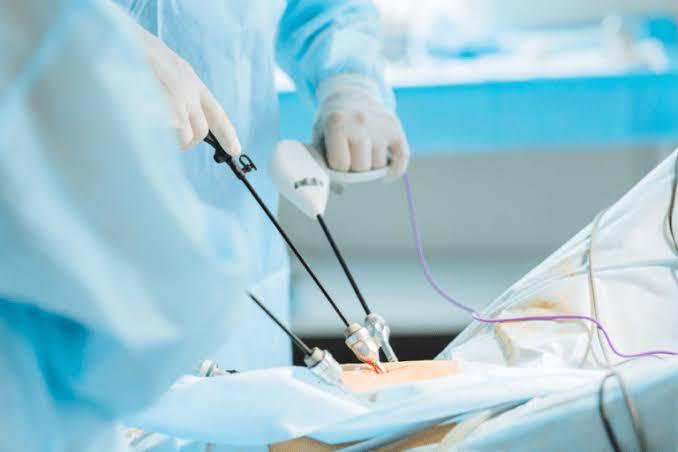
What Is Thyroid Surgery?
The thyroid is a small gland located at the front of the neck. It produces hormones that help regulate metabolism, energy use, and body temperature and influence several body functions.
Thyroid surgery includes procedures intended to remove part or all of the thyroid gland, depending on the underlying condition and the medical assessment.
Surgery may be considered for certain suspicious thyroid nodules or cancers, an enlarged gland that causes difficulty swallowing or breathing, or some cases of hyperthyroidism when other treatment options are unsuitable.
However, finding a thyroid nodule does not automatically mean that surgery is needed. Many nodules are benign and do not require an operation. Management depends on the nodule's size and ultrasound characteristics, as well as other test results.
When Might a Patient Need Thyroid Surgery?
The decision to operate depends on several factors, not simply the presence of an enlarged thyroid or a nodule.
Conditions that may require surgical assessment include:
-
A thyroid nodule with features suspicious for cancer.
-
A confirmed diagnosis of thyroid cancer.
-
Enlargement of the thyroid that presses on the windpipe or esophagus.
-
Difficulty swallowing or breathing due to the size of the gland.
-
Certain cases of hyperthyroidism that do not respond to suitable treatment or for which other options are inappropriate.
-
Growth or changes in a nodule that require further assessment.
The doctor reviews symptoms, medical history, imaging, and laboratory results. A fine-needle aspiration biopsy may also be recommended when needed before deciding whether surgery is the most appropriate option.
What Are the Types of Thyroid Surgery?
The type of operation depends on the affected area and the nature of the condition.
Thyroid Lobectomy
This procedure removes one lobe of the thyroid and may be considered when the problem is limited to one side of the gland.
In selected cases involving low-risk thyroid cancer limited to one lobe, lobectomy may be an appropriate surgical option instead of removing the entire thyroid, depending on the medical criteria and assessment.
Total Thyroidectomy
Total thyroidectomy involves removing the entire thyroid gland. It may be recommended for certain cancers, enlargement affecting both sides of the gland, or other conditions that require complete removal.
After total thyroidectomy, patients generally need lifelong thyroid hormone replacement, with regular monitoring of hormone levels and medication dosage.
Thyroid Surgery with Lymph Node Assessment
In certain cases of thyroid cancer, the surgeon may need to assess the lymph nodes in the neck. Affected or suspicious lymph nodes may be removed depending on imaging results and the clinical assessment.
This procedure is not required for every patient. Its use depends on the type of cancer and whether there is evidence of lymph node involvement.
What Are the Risks of Thyroid Surgery?
Like other surgical procedures, thyroid surgery carries potential risks. Their likelihood varies according to the type of operation, the patient's health, and the surgical team.
Potential complications that should be discussed before surgery include:
-
Bleeding or blood collection at the surgical site.
-
Wound infection.
-
Temporary voice changes or hoarseness, which may occur if the nerves controlling the vocal cords are affected.
-
Low blood calcium levels if the parathyroid glands are affected.
-
The need for thyroid hormone replacement after total thyroidectomy.
-
The possibility of further treatment or follow-up depending on the pathology results.
Discussing these risks with the doctor is important, together with the preoperative tests and postoperative monitoring plan.
What Are Breast Tumors?
Breast tumors are changes or lumps that develop in breast tissue. They may be benign or malignant. Not every breast lump is cancer, as several conditions can cause lumps, including cysts, fibrocystic changes, and benign tumors.
Nevertheless, any new lump or unusual breast change should be assessed. Early investigation helps identify the cause and determine the appropriate next steps.
What Breast Changes Should Be Assessed?
Changes that may require medical evaluation include:
-
A new lump in the breast or underarm.
-
A noticeable change in breast size or shape.
-
Skin changes such as dimpling or unusual pulling inward.
-
A newly inverted nipple.
-
Nipple discharge, especially if it is bloody.
-
Persistent redness or other changes in breast skin.
-
Ongoing pain or an unusual change in one area of the breast.
These signs do not necessarily indicate cancer, but they should not be ignored or left without assessment.
How Are Breast Tumors Diagnosed?
Diagnosis combines a clinical examination with imaging and other investigations selected according to the patient's age and the nature of the breast change.
Assessment may include:
Clinical examination: The doctor examines both breasts and nearby areas, assesses any lump, and reviews relevant personal and family history.
Ultrasound: This helps evaluate the characteristics of a lump and whether it is solid or cystic. It may be used together with other imaging methods.
Mammography: This imaging test examines breast tissue and can identify changes that may not be detectable by physical examination alone.
Biopsy: A tissue or cell sample may be taken using a needle to determine the nature of the lump. When cancer is suspected, biopsy is an important method of confirming the diagnosis.
Not every patient requires all these investigations. The appropriate tests depend on the examination findings and the characteristics of the case.
What Are the Types of Breast Tumor Surgery?
The choice of breast surgery depends on the tumor's nature, size, location, investigation results, and extent of disease, as well as the patient's overall health and preferences after discussing the available options.
Breast-Conserving Surgery
Also known as lumpectomy, this procedure removes the tumor along with a surrounding margin of tissue while preserving as much of the breast as possible.
It may be suitable for selected cases of breast cancer and is often followed by radiation therapy as part of the overall treatment plan.
Mastectomy
Mastectomy involves removing breast tissue. It may be appropriate when breast-conserving surgery is not suitable or when the assessment indicates that more extensive surgery is needed.
The extent of surgery depends on the tumor and the affected tissues. Breast reconstruction options may also be discussed with the medical team when appropriate.
Lymph Node Surgery
Some breast cancer cases require assessment of the lymph nodes under the arm to determine whether cancer cells have spread.
Possible procedures include sentinel lymph node biopsy or removal of a larger number of lymph nodes in selected cases.
The choice depends on the examination, imaging, biopsy findings, and extent of disease.
Does Every Patient with a Breast Tumor Need Surgery?
No. Breast tumor treatment varies according to the nature of the tumor, its stage, and its biological characteristics.
Surgery is an important part of treatment for many patients, but some may require drug therapy, chemotherapy, hormone therapy, or targeted therapy before or after surgery, depending on the medical assessment.
Initial treatment may help shrink certain tumors before an operation. Additional treatment after surgery is determined by the pathology findings and the tumor's characteristics.
For this reason, the treatment plan should be comprehensive. The choice of surgery should not depend on tumor size alone.
What Is Recovery Like After Thyroid or Breast Surgery?
Recovery varies according to the type of procedure, the extent of surgery, and the patient's general health.
Postoperative care may include:
-
Monitoring the wound and following care instructions.
-
Taking prescribed medication as directed.
-
Monitoring pain, swelling, and any unusual changes.
-
Checking thyroid hormone and calcium levels after thyroid surgery when indicated.
-
Reviewing pathology results after tumor surgery.
-
Attending follow-up appointments and assessing whether additional treatment is needed.
Prompt medical attention is important if significant bleeding, sudden swelling, difficulty breathing, fever, or other unusual symptoms occur after surgery.
Thyroid and Breast Tumor Surgery with Dr. Mohamed Mansour Kamel in Hurghada
If you have a thyroid nodule or enlargement, or have noticed a breast lump or unusual breast change, medical assessment is important to identify the cause and discuss suitable treatment options.
You can contact Dr. Mohamed Mansour Kamel Clinic at Cleopatra Hospital in Hurghada to inquire about medical assessment and appropriate procedures based on the investigation results and each patient's condition.
📍 Address: Cleopatra Hospital, Hurghada, Red Sea Governorate, Egypt.
📞 For appointments and inquiries: 01140201777
💬 WhatsApp: Contact via WhatsApp
Conclusion
Thyroid surgery and breast tumor surgery vary according to the nature and extent of the condition and the results of medical investigations. Some thyroid conditions may require removal of part or all of the gland, while breast tumor surgery may involve breast-conserving surgery, mastectomy, or lymph node assessment when indicated.
Accurate diagnosis, review of imaging and biopsy results, and discussion of treatment options and potential risks are essential to developing an appropriate plan for each patient.
