
🧠 The Effect of Traumatic or Frightening Experiences on a Child’s Behavior | Dr. Rehab Helmy
If you have noticed a significant change in your child's behavior after experiencing a frightening or difficult event, such as an accident, the loss of someone close, family problems, bullying, violence, or any situation that made the child feel afraid or unsafe, you may wonder why this change has occurred and how you can help.
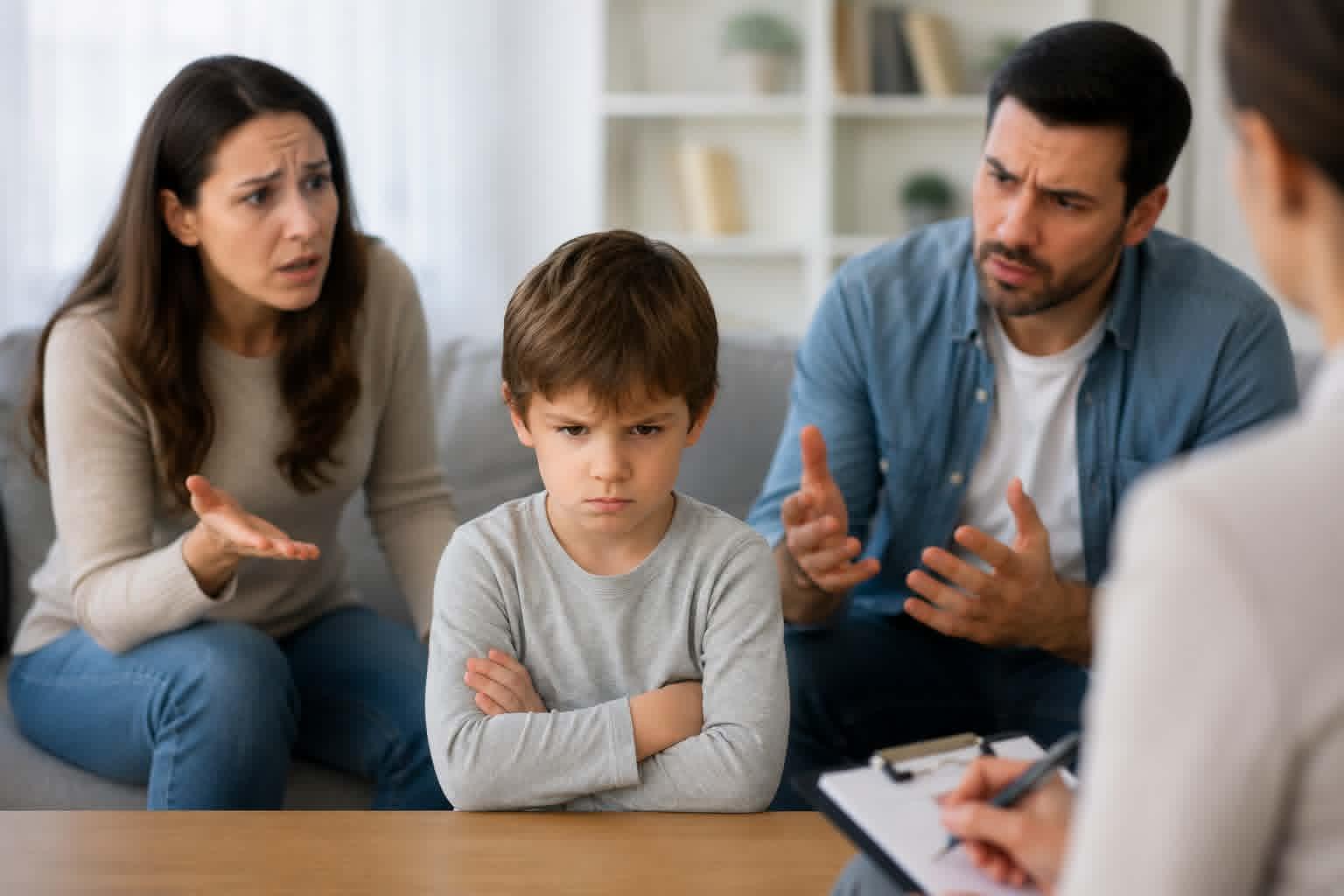
Some children may express the emotions caused by difficult experiences through changes in behavior rather than through words. These changes may appear as irritability, fear, increased attachment to parents, aggression, withdrawal, sleep problems, or difficulty concentrating.
If you notice persistent or significant behavioral changes in your child after a traumatic or frightening experience, you can contact Dr. Rehab Helmy in Haram, Giza for an evaluation and to discuss the symptoms your child is experiencing.
📞 For appointments and inquiries: 01030529584
🔎 How Can Traumatic Experiences Affect a Child’s Behavior?
Children do not all respond to frightening events in the same way. Some children may gradually recover from the experience with support and a sense of safety, while others may develop reactions that affect their behavior, relationships, sleep, or ability to concentrate.
Some behaviors that parents may view as stubbornness or bad behavior can sometimes be related to feelings of fear or stress that the child is unable to express clearly.
For this reason, it is important to consider sudden behavioral changes in context, especially when they begin after a clear and frightening event.
⚠️ What Experiences May Be Difficult or Frightening for a Child?
Children can be affected by different types of stressful or frightening experiences. Each child's response may vary depending on their age, personality, the nature of the event, and how safe they feel.
Examples of such experiences include:
- Being involved in an accident or frightening situation.
- Witnessing violence or severe conflicts.
- Losing someone close.
- Separation or difficult family changes.
- Experiencing bullying.
- Violence or neglect.
- A painful medical experience or injury.
- Repeated exposure to situations that cause fear or stress.
A child may also be affected after witnessing a painful event involving another person, even if the child was not directly harmed.
🧠 What Behavioral Changes May Appear After a Traumatic Experience?
Symptoms can vary from one child to another, but parents may notice changes such as:
😠 Irritability and Emotional Outbursts
The child may become more irritable or quick to anger, with emotional outbursts that are stronger than usual.
😨 Fear and Anxiety
New fears may appear, or the child may become more afraid of being separated from parents or of situations that previously seemed normal.
🧸 Increased Attachment to Parents
The child may want to stay closer to a parent more often or become anxious when separated from them.
🚪 Withdrawal
The child may lose interest in activities they previously enjoyed or become less willing to communicate and play with others.
⚡ Aggressive or Impulsive Behavior
Some children may show increased aggression or impulsive behavior and have difficulty controlling their reactions.
😴 Can Frightening Experiences Affect a Child’s Sleep?
Yes. Changes in sleep may occur after a frightening or stressful experience.
Parents may notice:
- Difficulty falling asleep.
- Frequent waking during the night.
- Nightmares.
- Fear of sleeping alone.
- Increased attachment to parents at bedtime.
The presence of one of these symptoms alone does not necessarily mean that the child has a psychological disorder. However, persistent symptoms or symptoms that interfere with the child's daily life may require appropriate evaluation.
📚 Can Traumatic Experiences Affect a Child’s Concentration and School Performance?
Some children may experience difficulty concentrating or completing tasks after stressful experiences. Parents may notice changes in the child's interest in school or daily activities.
This may be accompanied by distractibility, excessive preoccupation, or difficulty managing strong emotions.
Therefore, if you notice a clear change in your child's academic performance after a frightening experience, it is better to consider the situation as part of the child's overall emotional and behavioral state rather than simply interpreting it as laziness or lack of attention.
🔄 Why Can a Child’s Behavior Change After Some Time Has Passed?
Not all reactions necessarily appear immediately after an experience.
In some cases, symptoms may appear later, or the way a child expresses their emotions may change as they grow older and develop a better understanding of what happened.
Certain situations, places, sounds, or words may also remind the child of the previous experience and trigger a strong or unexpected reaction. These are sometimes referred to as triggers.
Therefore, behavioral changes should not automatically be ignored simply because some time has passed since the frightening event.
👨👩👧 How Can Parents Help a Child After a Frightening Experience?
Providing a safe and supportive environment can help a child cope with difficult emotions.
Parents can focus on:
- Reassuring the child that they are safe.
- Listening without forcing the child to talk before they are ready.
- Maintaining a clear daily routine as much as possible.
- Responding calmly to emotional outbursts.
- Avoiding shouting or physical punishment.
- Giving the child space to express their feelings.
- Noticing situations that increase the child's fear or stress.
- Providing consistent support and attention.
It is also important not to interpret every difficult behavior as an attempt to be stubborn or seek attention. Behavior can sometimes be a way for a child to express emotions they cannot yet describe in words.
🚨 When Does a Child Need a Specialized Evaluation?
A specialized evaluation may be appropriate when behavioral changes are significant, persistent, or affecting the child's daily life.
Evaluation may be important if you notice:
- A major change in the child's personality after a frightening event.
- Repeated episodes of anger or fear.
- Clear withdrawal from family or friends.
- Persistent sleep problems.
- Loss or regression of previously acquired skills or behaviors.
- Significant difficulty concentrating or studying.
- Severe or persistent fear.
- Noticeable changes in eating or activity levels.
- Repeated talking or playing related to the frightening event.
- Behavior that clearly affects school, relationships, or daily life.
Evaluation can help determine whether these changes are related to the experience the child went through or whether other factors may need attention.
🩺 How Is the Effect of Traumatic Experiences on a Child Evaluated?
Evaluation does not depend on one symptom alone.
A specialist may need to understand:
📋 The Nature of the Experience
What happened to the child? When did it happen? Was it a one-time experience or did it happen repeatedly?
🧠 Changes After the Event
What changed in the child's behavior, sleep, relationships, or school performance?
👶 The Child’s Age and Developmental Stage
The way children express fear and stress can vary according to their age and developmental stage.
🏠 The Child’s Environment
Family relationships, school, and the level of support and safety available to the child can all be important factors when understanding the child's situation.
After gathering this information, the child's condition can be evaluated more accurately and appropriate next steps can be considered.
❓ Does Every Child Who Experiences Trauma Develop a Psychological Problem?
No.
Children can respond to difficult experiences in very different ways. Some children may experience temporary symptoms that gradually improve, while others may need support or specialized evaluation if symptoms persist or interfere with daily life.
The presence of a single symptom, such as fear or sleep problems, is not enough by itself to diagnose a specific psychological disorder. Evaluation depends on the overall symptoms, their duration, and their impact on the child.
👩⚕️ Dr. Rehab Helmy for Child Behavioral Evaluation in Haram, Giza
If you notice changes in your child's behavior after a frightening experience or difficult event, obtaining a specialized evaluation may help you better understand the reasons behind the changes and support your child in dealing with their emotions.
You can contact Dr. Rehab Helmy in Haram, Giza to book an appointment and inquire about evaluating your child's condition.
📞 Phone: 01030529584
📍 City: Giza
📍 Area: Haram
📞 Book an Appointment With Dr. Rehab Helmy
If your child is experiencing persistent behavioral changes after a traumatic or frightening experience, do not rely solely on interpreting the behavior or assume that it is simply stubbornness.
Specialized evaluation can help provide a better understanding of what the child is experiencing and identify appropriate next steps based on the child's individual situation.
📞 For appointments and inquiries: 01030529584
📍 Haram – Giza
The information provided in this article is for general educational purposes and does not replace specialized evaluation. Children's responses to traumatic experiences vary, and determining the reason behind behavioral changes requires an individual assessment of the child.