Tips for Infants and Newborns with Pediatric Consultant Dr. Ramez Badir Ramzy
Caring for newborns requires special attention and precision in every detail. The physical and mental health of the baby during this critical period largely depends on family care and proper medical guidance. Pediatric and neonatology consultant, Dr. Ramez Badir Ramzy, shares his expertise to highlight the most important tips and guidelines to ensure healthy and safe growth for children.


By: Dr. Ramez Bader Ramzy
Tips for Infants and Newborns with Pediatric Consultant Dr. Ramez Badir Ramzy
Caring for newborns requires special attention and precision in every detail. The physical and mental health of the baby during this critical period largely depends on family care and proper medical guidance. Pediatric and neonatology consultant, Dr. Ramez Badir Ramzy, shares his expertise to highlight the most important tips and guidelines to ensure healthy and safe growth for children.
1. Proper Nutrition for Infants
Breastfeeding
Breastfeeding is the best choice for newborns, providing all essential nutrients and strengthening the immune system. It is recommended to breastfeed the baby every 2–3 hours, paying attention to hunger cues like sucking fingers or crying.
Important Tips:
Ensure the baby is in a comfortable position while feeding to avoid nasal blockage or difficulty swallowing.
Avoid giving any liquids or solid foods before six months unless advised by a doctor.
Maintain personal hygiene before feeding to reduce germ transmission.
Formula Feeding
In some cases, parents may need to use formula milk, and in such situations:
Choose a formula appropriate for the baby's age and nutritional needs.
Sterilize bottles and feeding utensils thoroughly before each use.
Follow recommended feeding amounts and avoid overfeeding to prevent digestive issues.
2. Sleep Care
Healthy sleep is essential for brain and body development. Newborns need 16 to 18 hours of sleep per day, divided into short periods.
Safe Sleep Tips:
Place the baby on their back to sleep to reduce the risk of Sudden Infant Death Syndrome (SIDS).
Use an appropriate crib with a firm mattress and avoid pillows or soft toys.
Maintain a moderate room temperature (around 22–24°C).
Monitor the baby regularly, especially during the first months.
3. Personal Hygiene
Proper hygiene for newborns is crucial to prevent skin infections and health problems.
Key Tips:
Wash hands thoroughly before handling the baby.
Clean the umbilical cord with a sterile cotton swab and avoid washing it with water until it naturally dries.
Bathe the baby 2–3 times a week with lukewarm water and gentle baby soap.
Change diapers frequently to prevent diaper rash.
4. Growth Monitoring and Vaccinations
Regular medical follow-ups are essential to track the baby's weight, length, and overall growth.
Measure weight and height periodically to identify any delays or early health concerns.
Follow the vaccination schedule recommended by the Ministry of Health or consult your pediatrician for adjustments.
Report any unusual symptoms such as persistent fever or breathing problems immediately to the doctor.
5. Dealing with Colic and Crying
Frequent crying is common in newborns and is a way to express needs or discomfort.
Ways to Soothe:
Check the diaper, temperature, hunger, or tiredness before each episode.
Hold the baby in a comfortable position or gently rock them to relieve colic.
Use a warm bath or gently massage the baby's tummy to reduce gas.
Avoid overusing medications unless advised by a doctor.
6. Skin and Hair Care
Newborn skin is very sensitive and requires careful attention:
Avoid products with harsh chemicals.
Moisturize the skin with baby-safe oils or creams when needed.
Trim nails gently to prevent scratching.
Wash hair 2–3 times a week using a mild baby shampoo.
7. Sensory Stimulation and Interaction
Stimulating the baby's senses is important for brain development and strengthening family bonds:
Talk and sing to the baby to encourage early communication.
Provide a safe environment with simple colors and toys to stimulate sight and hearing.
Encourage gentle movement of the head and hands to support muscle development.
Read stories or show pictures and colors to enhance focus and memory.
8. Preventing Common Illnesses
Newborns are vulnerable to illnesses, so:
Maintain the hygiene of the baby and surroundings.
Avoid contact with sick individuals directly.
Ensure proper nutrition to boost the immune system.
Consult a doctor immediately if symptoms such as fever, persistent vomiting, or diarrhea appear.
9. Tips for New Mothers
Mothers also need care and psychological support while handling newborns:
Get adequate rest whenever possible.
Maintain a healthy diet to support milk production.
Share responsibilities with your partner or family to reduce stress.
Do not hesitate to consult a doctor if there is any doubt or problem.
10. Handling Emergency Situations
In emergencies, such as choking or difficulty breathing:
Ensure the airway is open and check for breathing.
Contact the doctor immediately or go to the nearest hospital.
Learn basic infant first aid, including how to clear the throat and handle gagging.
11. Importance of Regular Check-ups with a Pediatrician
Regular pediatric visits help to:
Monitor the child's growth and ensure they receive proper nutrition.
Detect health issues early before they worsen.
Receive specialized guidance and tips for each developmental stage.
12. Additional Tips
Avoid smoking and alcohol in the baby's environment.
Ensure proper ventilation of the living space regularly.
Monitor the baby's temperature and avoid extreme cold or heat.
Provide consistent love and attention to ensure a healthy emotional environment.
13. Closing Words from Pediatric Consultant Dr. Ramez Badir Ramzy
Dr. Ramez Badir Ramzy, Pediatric and Neonatal Consultant, emphasizes that attention to small details in a newborn’s life is the key to healthy and proper growth. Every step, from proper nutrition to safe sleep, plays an important role in protecting the baby’s health and strengthening their immune system. Following practical advice and maintaining continuous communication with a pediatrician ensures a happy and healthy child.
For consultations and follow-ups:
📞 01222178193
Discover Dr. Amr Mostafa Saleheen’s advanced gynecological laparoscopic surgery services, providing modern medical solutions for women’s health problems using the latest surgical techniques with high accuracy and shorter recovery time in Assiut.
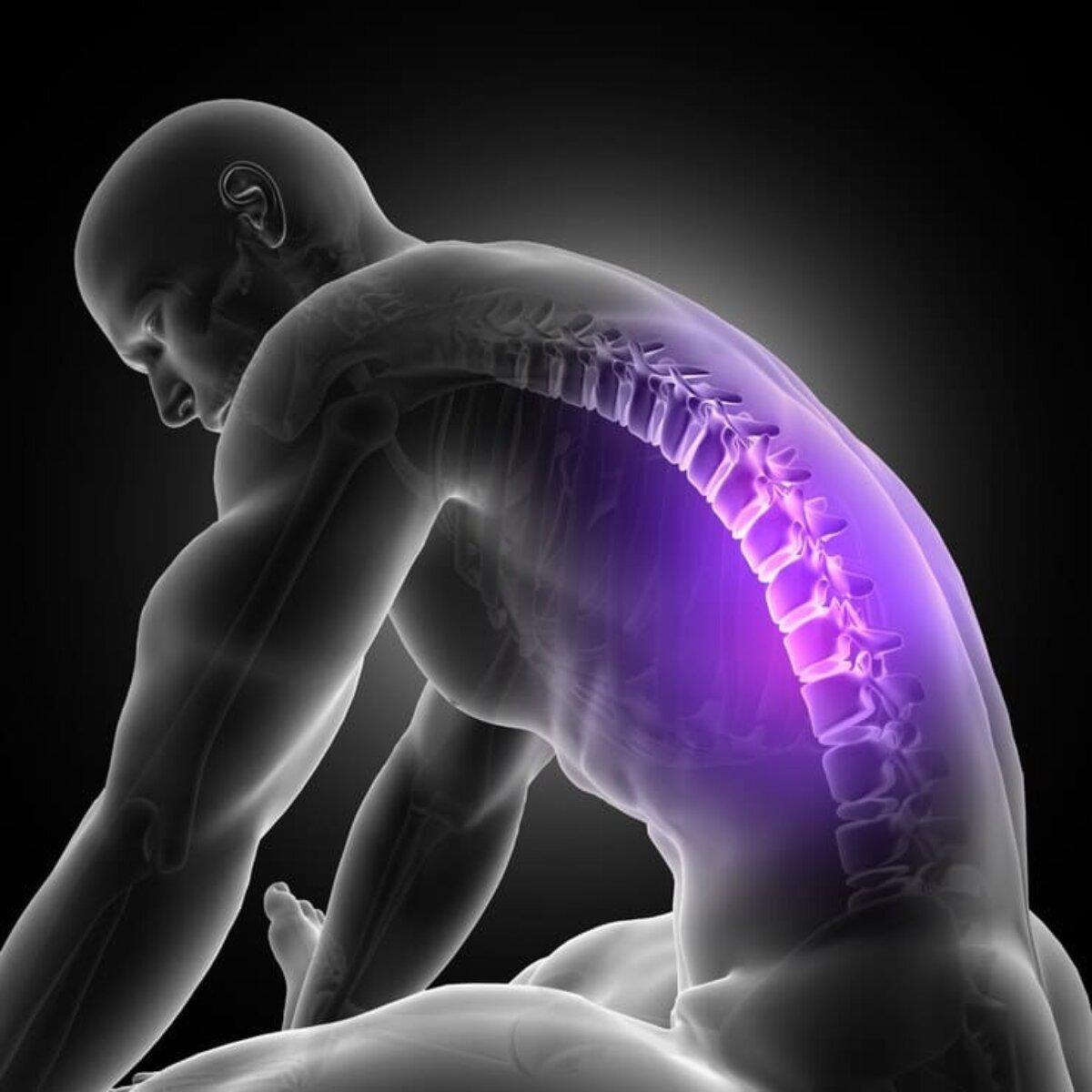
Discover Dr. Mohamed Nabil’s services in spinal deformity treatment, providing accurate diagnosis and specialized treatment plans to improve back health, reduce pain, and restore mobility using advanced medical approaches in 6th of October City.
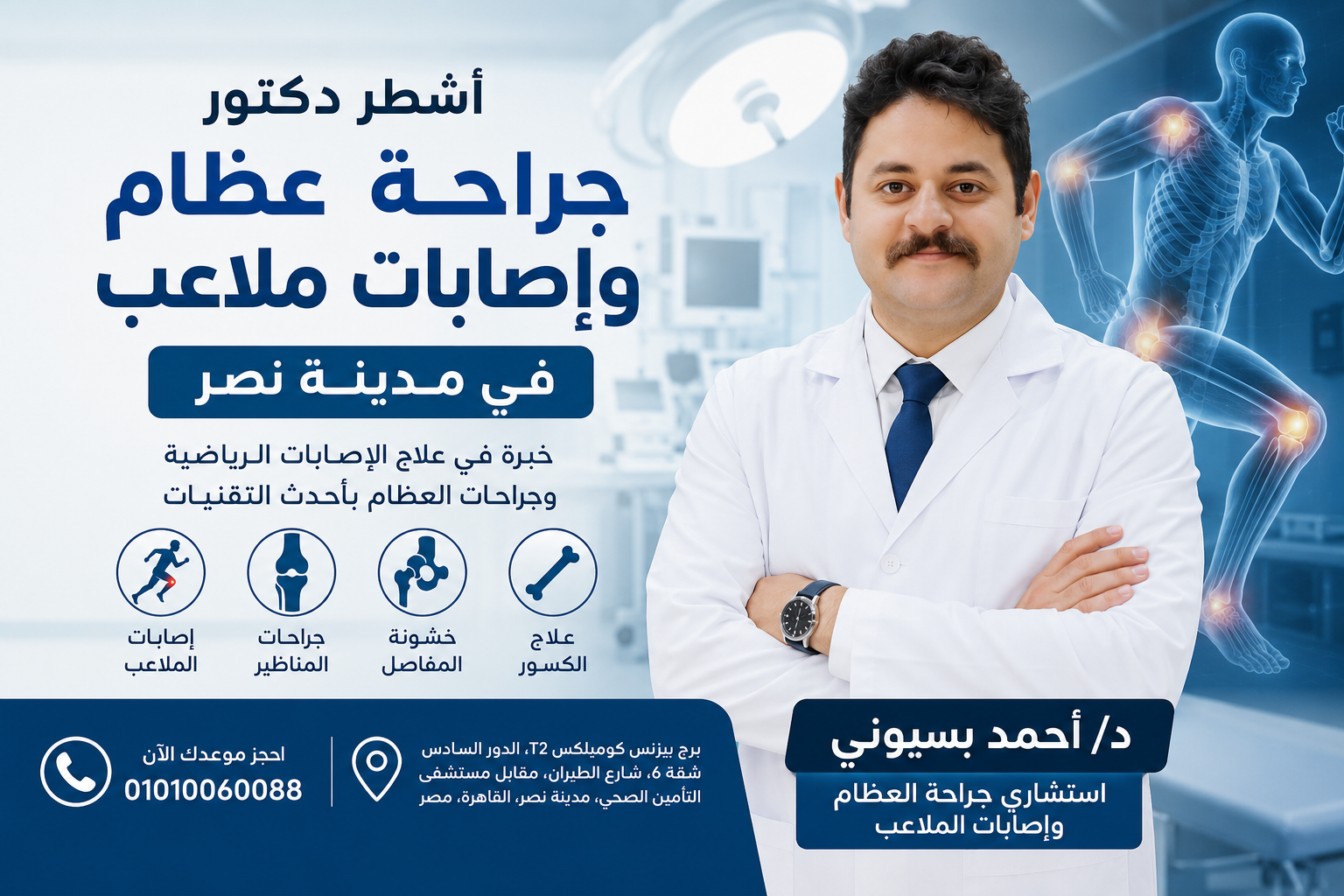
Looking for the Best Orthopedic Surgeon & Sports Injury Specialist in Nasr City? Are you looking for the best orthopedic and sports injury doctor in Nasr City? Dr. Ahmed Bassiouni provides specialized care for sports injuries, orthopedic surgery, and arthroscopic procedures using the latest medical technologies. Book your appointment today: 01010060088.
Discover Ortho Care Clinic’s services in bone deformity correction and limb alignment, providing accurate diagnosis and advanced medical approaches to treat orthopedic problems, improve mobility, and enhance quality of life in Marsa Matrouh.
