Trained Dogs Detect Blood Sugar Drops Before Medical Devices
A new experience reveals how trained dogs can sense dangerous blood sugar fluctuations in diabetic patients faster than medical devices, providing early warnings and peace of mind.

Fox News highlighted an experiment showing that trained dogs can detect dangerous changes in blood sugar levels in diabetic patients faster than modern medical devices.
Kona: A Life-Saving Dog
Kona, a one-year-old Labrador Retriever, alerts her 7-year-old owner Kennedy Pierce of any blood sugar changes by gently pawing her arm, often 30 minutes before a glucose monitor registers an issue, giving the family crucial time to act.
How Dogs Detect Sugar Changes
Blood sugar fluctuations produce chemical changes humans cannot smell, but trained dogs can identify them and alert owners with specific behaviors such as pawing or licking, according to the American Kennel Club.
Dogs vs. Medical Devices
Dr. Frank Dumont explained that one limitation of diabetes devices is the lag between bodily changes and sensor readings. Trained dogs detect glucose shifts in real time, even during sleep, often before devices notice.
Benefits of Early Alerts
Early detection by dogs can prevent sudden hypoglycemia, comas, or even death, especially in children or elderly patients with rapid sugar fluctuations. However, experts emphasize that dogs do not replace precise glucose monitoring.
Conclusion
Trained dogs provide safety and peace of mind for diabetic patients, detecting dangers before technology and becoming an essential part of daily care.

Regular health screening is one of the most important steps to maintain good health and detect diseases early. The essential medical checkups for every age help in preventing complications and ensuring a healthier life.
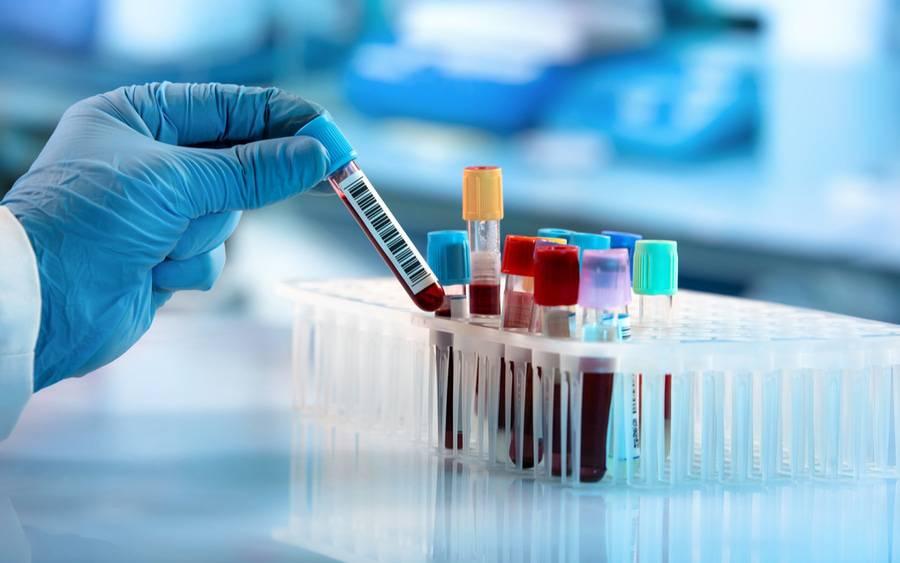
Many people, after doing medical tests, receive their results and immediately start looking at numbers and unfamiliar terms like (High – Low – Normal) without fully understanding what they actually mean.

When dealing with medical services, many people come across different titles for doctors such as “Specialist” and “Consultant”, which can sometimes create confusion about what each title actually means and how they differ from each other.

Choosing the right time to visit a doctor is not a random decision. It can directly affect how quickly a condition is diagnosed and how effective the treatment will be. Many people delay visiting a doctor or go at the wrong time, which may lead to worsening symptoms or delayed care.
