Heart Hole in Children in Mohandessin | Dr. Mahmoud El-Degwy
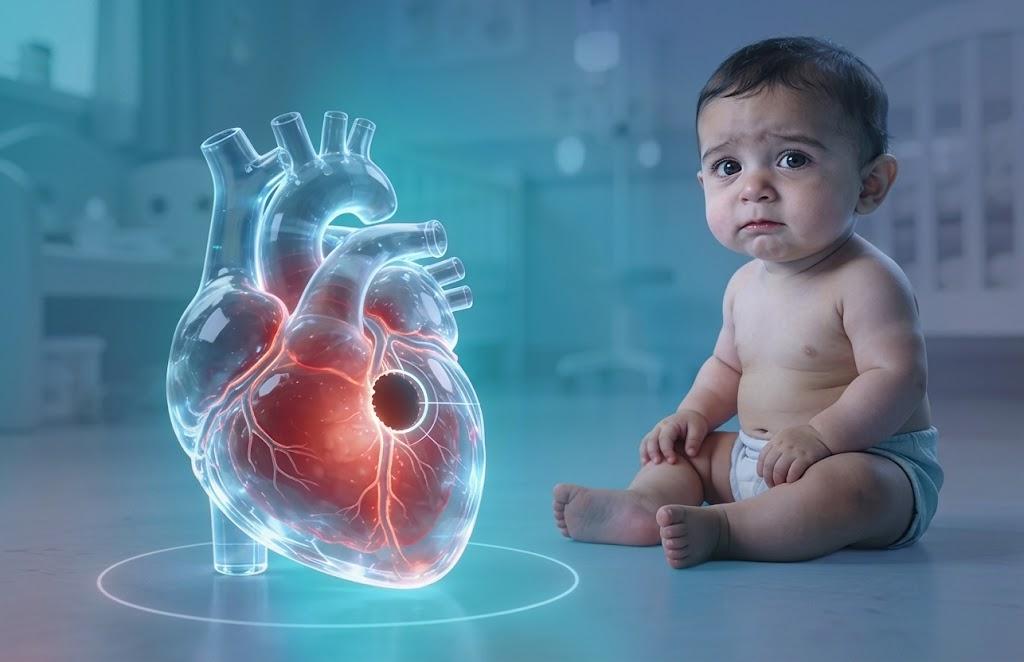
A heart hole is one of the common congenital heart defects in children. Learn about its symptoms, diagnosis, treatment options, catheter closure, and when surgery may be needed with Professor Dr. Mahmoud El-Degwy in Mohandessin.
By: Dr. Mahmoud El-Degwy Ahmed
Heart Defect in Children in Mohandessin | Dr. Mahmoud El-Dagwi for Congenital Heart Defects
Professor and Consultant of Cardiothoracic Surgery at Kasr Al Ainy Faculty of Medicine, Cairo University, and a specialist in complex open-heart surgery and surgical repair of congenital heart defects in children at Abu El-Reesh Hospital.
If your child has been diagnosed with a heart defect or a congenital heart condition, early evaluation by a specialized pediatric cardiac surgeon can help determine the type of defect, its effect on the heart and lungs, and the most appropriate treatment based on the child’s age, the size and location of the defect, and overall health. Dr. Mahmoud El-Dagwi in Mohandessin provides specialized evaluation for heart defects in children and congenital heart conditions, including cases that may require surgical intervention and repair.
📞 Booking & Inquiries: 01223822588
💬 WhatsApp: 01110691461
📍 Address: ABC Hospital Clinics, First Syria Street from the direction of Gameat El Dowal El Arabeya Street, Mohandessin, Giza.
💳 Consultation Fee: EGP 600.
⏰ Appointments: Evening appointments with prior booking and registration.
What Is a Heart Defect in Children?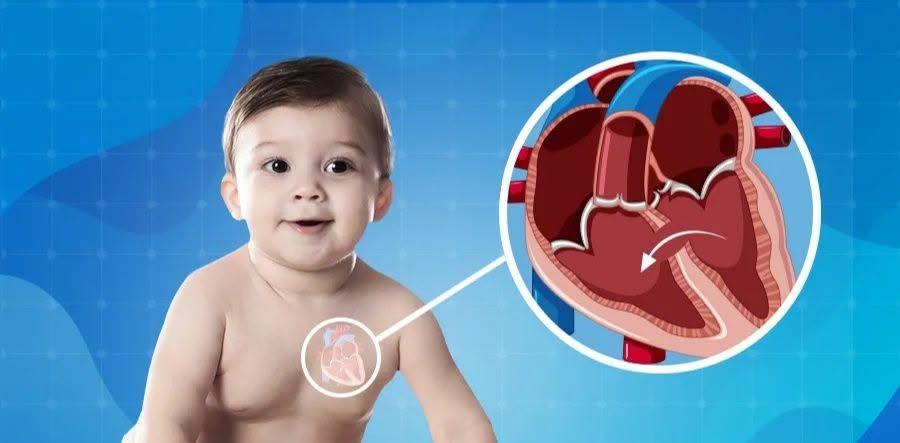
A heart defect is one of the congenital heart defects that may be present from birth. It can involve an abnormal opening between certain chambers of the heart. The effect of the defect varies from one child to another depending on its location, size, and impact on blood flow.
Common types of heart defects involving an abnormal opening in children include:
Atrial Septal Defect (ASD)
An ASD is an opening between the right and left atria. Some small defects may only require medical monitoring, while larger defects or those affecting the heart may require appropriate intervention.
Ventricular Septal Defect (VSD)
A VSD is an opening between the right and left ventricles. It is one of the most common congenital heart defects in children. Symptoms can vary depending on the size of the defect and its effect on blood circulation.
What Are the Symptoms of a Heart Defect in Children?
Symptoms do not appear in the same way in every child. A small defect may not cause noticeable symptoms, while larger or hemodynamically significant defects may affect the heart and lungs and lead to more obvious signs.
Signs that may require evaluation by a specialist include:
- Rapid or difficult breathing.
- Fatigue during feeding in infants.
- Excessive sweating during feeding or physical activity.
- Poor weight gain and growth.
- Rapid heartbeat.
- Recurrent respiratory infections in some cases.
- Reduced ability to participate in physical activities compared with children of the same age.
The presence of one or more of these symptoms does not necessarily mean that a child has a heart defect. Diagnosis depends on clinical examination and the appropriate medical investigations.
How Is a Heart Defect Diagnosed in Children?
Diagnosis usually begins with a clinical examination and listening to the heart. The doctor may detect a heart murmur that requires further evaluation.
Important methods used to assess congenital heart defects include:
Echocardiogram
An echocardiogram, or heart ultrasound, is one of the most important tests used to evaluate heart defects in children. It helps the doctor determine the location and size of the defect, the direction of blood flow, and its effect on the heart chambers.
Additional tests may be recommended in some cases depending on the nature of the condition and the medical team’s assessment.
Does Every Child With a Heart Defect Need Surgery?
No. The management of a heart defect in children varies from one case to another.
Some small defects may close naturally as the child grows or may not require intervention if they do not cause significant effects on the heart. In other cases, regular medical follow-up may be the most appropriate option.
If the defect is large or has a significant effect on the heart or lungs, the doctor may recommend closing the defect using the most appropriate treatment method.
Therefore, the need for heart defect surgery in children cannot be determined based on the child’s age alone. The decision depends on the type and size of the defect, its effect on the heart and lungs, and the child’s overall health.
Treatment Options for Heart Defects in Children
Treatment depends on the type of congenital defect and the specific characteristics of the child’s condition. Treatment options may include:
Medical Follow-Up
In some mild cases, the doctor may recommend regular monitoring and periodic examinations to assess the development of the condition and ensure that it is not causing significant effects on the heart.
Catheter-Based Treatment
Catheter-based treatment may be used to close certain types of heart defects in children who meet the appropriate medical criteria. A specialized closure device can be delivered through the blood vessels to close the opening.
Catheter closure is not suitable for every type of defect. A pediatric cardiology specialist determines whether this approach is appropriate based on the specific anatomy and characteristics of each case.
Surgery to Repair the Heart Defect
In some cases, particularly when the type or size of the defect is not suitable for catheter treatment, surgical repair of the heart defect in children may be the most appropriate option.
The surgical decision is based on a comprehensive assessment that takes into account the child’s age, weight, heart and lung function, type of defect, and overall health.
When Does a Child Need Heart Defect Surgery?
Surgery may be recommended when the defect significantly affects heart function, causes abnormally increased blood flow to the lungs, leads to enlargement of the heart chambers, or results in symptoms and complications associated with the congenital defect.
However, the decision does not depend on the presence of the defect alone. It is based on several factors evaluated through clinical examination, echocardiography, and other necessary investigations.
For this reason, early diagnosis of heart defects in children and regular follow-up with a specialized medical team can help determine the appropriate treatment option and the right timing for intervention when needed.
Dr. Mahmoud El-Dagwi’s Experience in Pediatric Congenital Heart Surgery
Professor Mahmoud El-Dagwi Ahmed is Professor and Consultant of Cardiothoracic Surgery at Kasr Al Ainy Faculty of Medicine, Cairo University. His expertise includes complex open-heart surgery, valve and coronary artery surgery, as well as surgical treatment of congenital heart defects in children at Abu El-Reesh University Hospital.
His experience includes managing cases that require surgical repair of congenital heart defects, with careful assessment of each child before determining the most appropriate treatment plan.
His medical approach also focuses on explaining the nature of the condition and available treatment options clearly to parents, helping families understand the diagnosis and the recommended next steps.
Why Is Early Diagnosis Important?
The effects of congenital heart defects vary depending on the type and severity of the condition. Early detection of a heart defect in children allows the child’s condition to be monitored regularly and helps assess its effect on growth, heart function, and lung function.
When intervention is required, early evaluation can help determine the appropriate treatment option and timing based on the child’s individual condition.
Can a Heart Defect Affect a Child’s Growth?
Some larger defects or defects that significantly affect blood circulation may interfere with a child’s growth and weight gain, particularly in infants and young children.
However, the effect varies considerably between cases. Children with small, hemodynamically insignificant defects may have no obvious problems, while children with larger defects may require appropriate monitoring and treatment.
Therefore, comparing one child’s condition with another may be inaccurate. A specialized medical assessment is the best way to determine the appropriate course of action.
Frequently Asked Questions About Heart Defects in Children
Can a Heart Defect Close on Its Own?
Yes. Some small defects may close naturally as the child grows. This depends on the type, location, and size of the defect. Regular medical follow-up is important rather than relying on expectations alone.
Is a Heart Defect Dangerous in Children?
Not every heart defect is dangerous. The level of risk depends on the type and size of the defect and its effect on the heart and lungs. A specialist should evaluate the child to determine the severity and appropriate management.
Does Every Child With a Heart Defect Need Surgery?
No. Some children only need regular monitoring, some may be candidates for catheter-based closure, while other cases may require surgery.
What Is the Main Test Used to Diagnose a Heart Defect?
An echocardiogram is one of the most important tests used to determine the location and size of a heart defect and assess its effect on the heart. Additional tests may be requested depending on the child’s condition.
Book a Consultation for Pediatric Heart Defects With Dr. Mahmoud El-Dagwi in Mohandessin
If your child has been diagnosed with a heart defect or another congenital heart condition, obtaining a specialized evaluation is important to determine the nature of the condition and whether it requires monitoring, catheter-based treatment, or surgical intervention.
Professor Mahmoud El-Dagwi Ahmed
Professor and Consultant of Cardiothoracic Surgery at Kasr Al Ainy Faculty of Medicine, Cairo University.
Specialist in complex open-heart surgery and surgical treatment of congenital heart defects in children at Abu El-Reesh Hospital.
📍 Mohandessin Branch: ABC Hospital Clinics, First Syria Street from the direction of Gameat El Dowal El Arabeya Street, Giza.
📞 Booking & Contact: 01223822588
💬 WhatsApp: 01110691461
💳 Consultation Fee: EGP 600
⏰ Appointments: Evening appointments with prior booking and registration.
Learn about the importance of diagnosis and specialist consultations in cardiothoracic surgery, the tests that may be required, and when a cardiothoracic surgeon should be consulted.
Learn about laser treatment for hemorrhoids and anal fissures, its potential benefits, suitable cases, and when medical evaluation may be necessary.

Learn about thyroid disorders, their common symptoms, diagnostic methods, thyroid nodules, and when treatment or surgery may be necessary.
Learn about general anesthesia in dentistry, its potential benefits, suitable cases, preparation requirements, and important safety considerations during dental treatment.
