
Treatment for Joint Osteoarthritis and Knee Pain | Dr. Ahmed Bassiouni
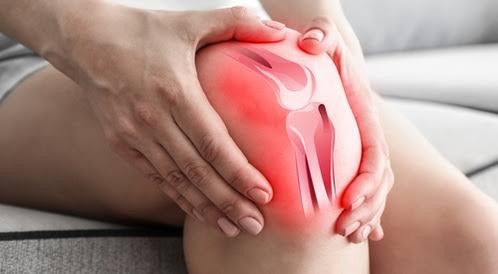
Joint osteoarthritis and knee pain can affect mobility and make everyday activities, such as walking, climbing stairs, or standing for long periods, more difficult. Symptoms may develop gradually or become more noticeable with activity. However, knee pain does not always indicate osteoarthritis; it can also result from ligament or cartilage injuries, inflammatory joint conditions, or other causes that require medical assessment. Treatment for joint osteoarthritis and knee pain therefore depends on identifying the underlying cause, assessing symptom severity, and understanding how the condition affects movement. An appropriate evaluation helps guide treatment decisions based on each patient's needs.
Contact and Booking Information
For appointments or inquiries:
-
Phone/WhatsApp: 01010060088
-
Address: Business Complex T2 Building, 6th Floor, Apartment 6, El-Tayaran Street, opposite the Health Insurance Hospital, Nasr City, Cairo, Egypt.
What Is Joint Osteoarthritis?
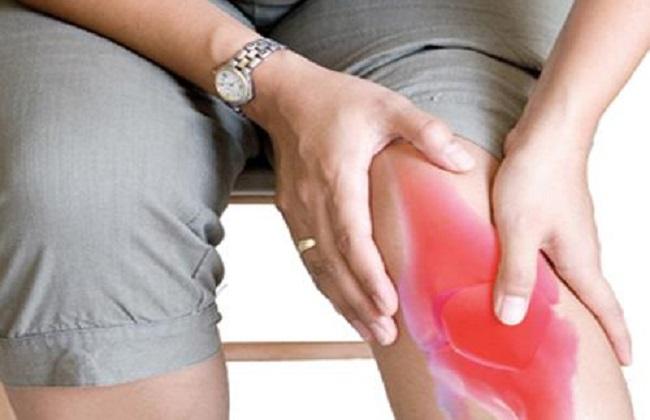
Osteoarthritis is a joint condition involving changes in the tissues that support movement. The cartilage that helps reduce friction between bones may gradually deteriorate, potentially causing pain, stiffness, and reduced mobility. Osteoarthritis can affect several joints, including the knees, hips, and hands.
Although it becomes more common with age, osteoarthritis is not limited to older adults. Previous joint injuries, excess mechanical stress, excess body weight, genetics, and certain activity patterns may also contribute to the risk.
Symptoms and imaging findings do not always correspond directly. Some people experience significant discomfort despite relatively modest changes on imaging, while others have visible joint changes with fewer symptoms. For this reason, assessment should consider the patient's symptoms, medical history, physical examination, and daily functional limitations rather than relying on X-rays alone.
What Causes Knee Pain?
Knee pain can have several causes, and not every case is related to osteoarthritis. Common possibilities include:
-
Knee osteoarthritis: May cause pain during movement, stiffness, and difficulty bending or straightening the knee.
-
Ligament or cartilage injuries: Can occur after twisting the knee, playing sports, or sustaining an accident.
-
Inflammatory joint conditions: May cause pain and swelling and require specific medical assessment.
-
Excess body weight: Can increase the mechanical load placed on the knee joint.
-
Repeated strain: Certain activities or repetitive movements may trigger or worsen symptoms.
Knee pain may be accompanied by swelling, stiffness, or difficulty walking. If the pain persists, returns frequently, or interferes with normal activities, medical evaluation is preferable to repeatedly using painkillers without identifying the cause.
What Are the Symptoms of Knee Osteoarthritis?
Symptoms vary depending on the extent of joint changes and the individual's overall health. Common signs may include:
-
Knee pain while walking or climbing stairs.
-
Stiffness after waking up or sitting for a long time.
-
Difficulty fully bending or straightening the knee.
-
A grinding sensation or joint sounds during movement, although sounds alone do not necessarily indicate osteoarthritis.
-
Mild swelling or reduced ability to perform usual activities.
-
Discomfort after standing for extended periods.
Symptoms alone cannot establish the severity of osteoarthritis or rule out other conditions. Sudden, severe swelling, a hot and red joint accompanied by fever, or an inability to bear weight requires urgent medical assessment.
How Are Osteoarthritis and Knee Pain Diagnosed?
Assessment usually begins with a discussion of the symptoms, when they started, whether an injury occurred, and which activities make the pain better or worse. A physical examination may evaluate knee movement, swelling, tenderness, and joint stability, depending on the suspected cause.
An X-ray may be used to assess bone changes and the joint space. Other investigations may be considered when a ligament or cartilage injury or an inflammatory condition is suspected. Not every patient needs every test; the choice depends on the clinical findings.
Accurate diagnosis helps distinguish osteoarthritis from other conditions with similar symptoms. This is important because the most appropriate treatment depends on the cause of the pain rather than on a single approach for everyone.
What Are the Treatment Options for Joint Osteoarthritis and Knee Pain?
Treatment varies according to the underlying cause, the degree of joint involvement, and symptom severity. A care plan may include one or more approaches based on medical assessment.
Activity Modification and Weight Management
Temporarily reducing activities that aggravate pain may help manage symptoms, but prolonged complete inactivity is generally not desirable. For people who are overweight, gradual weight reduction may help decrease the load on the knee, when appropriate.
Physical Therapy and Suitable Exercise
Targeted exercises may help strengthen the muscles around the knee, improve flexibility and balance, and support mobility. Exercises should be selected according to symptoms and physical ability, avoiding movements that significantly increase pain.
A physical therapy program may include low-impact activities when appropriate. The goal is to improve function and help patients manage their symptoms, not to guarantee that osteoarthritis will disappear completely.
Medication for Pain Relief
A clinician may recommend medication to relieve pain or inflammation, depending on the patient's health and other medicines. Not all pain relievers are suitable for everyone, particularly people with kidney, stomach, or heart conditions, or those taking medicines that may interact.
Repeated use of painkillers or combining medications without medical advice should be avoided. Pain relief after taking medication does not necessarily mean the underlying cause has been resolved.
Injections and Medical Interventions
Certain injections into the joint may be considered in selected cases after discussing their potential benefits, risks, and alternatives. The response varies depending on the type of injection, diagnosis, and condition of the joint. These options are not appropriate for every patient and do not replace activity modification or exercise when those measures are indicated.
For advanced cases in which pain continues to severely limit movement despite non-surgical treatment, suitable surgical options may be discussed. The decision depends on symptoms, examination findings, imaging, and overall health—not on an X-ray alone.
How Can You Reduce Knee Discomfort in Daily Life?
Some habits may help reduce pressure on the joint and support mobility:
-
Maintain a suitable body weight where possible.
-
Participate in regular physical activity appropriate for your condition.
-
Avoid sudden increases in exercise intensity or walking duration.
-
Take breaks when needed while maintaining safe movement.
-
Wear comfortable footwear appropriate for your activities.
-
Follow the treatment plan and seek reassessment if symptoms change.
These measures are not a substitute for medical evaluation when pain persists or worsens, particularly when accompanied by noticeable swelling or increasing difficulty moving the knee.
When Should You Seek Medical Advice?
Consider consulting a clinician if knee pain persists or repeatedly returns, affects sleep or walking, interferes with daily activities, or fails to improve with simple measures. Timely assessment can help identify the cause and determine suitable treatment options before symptoms lead to further limitations in movement.
For appointment details or inquiries about visiting Dr. Ahmed Bassiouni, contact the clinic by phone or WhatsApp at 01010060088, at the Nasr City address listed above.