Uterine Fibroids in Women: Everything You Need to Know and the Modern Pain-Free Solution
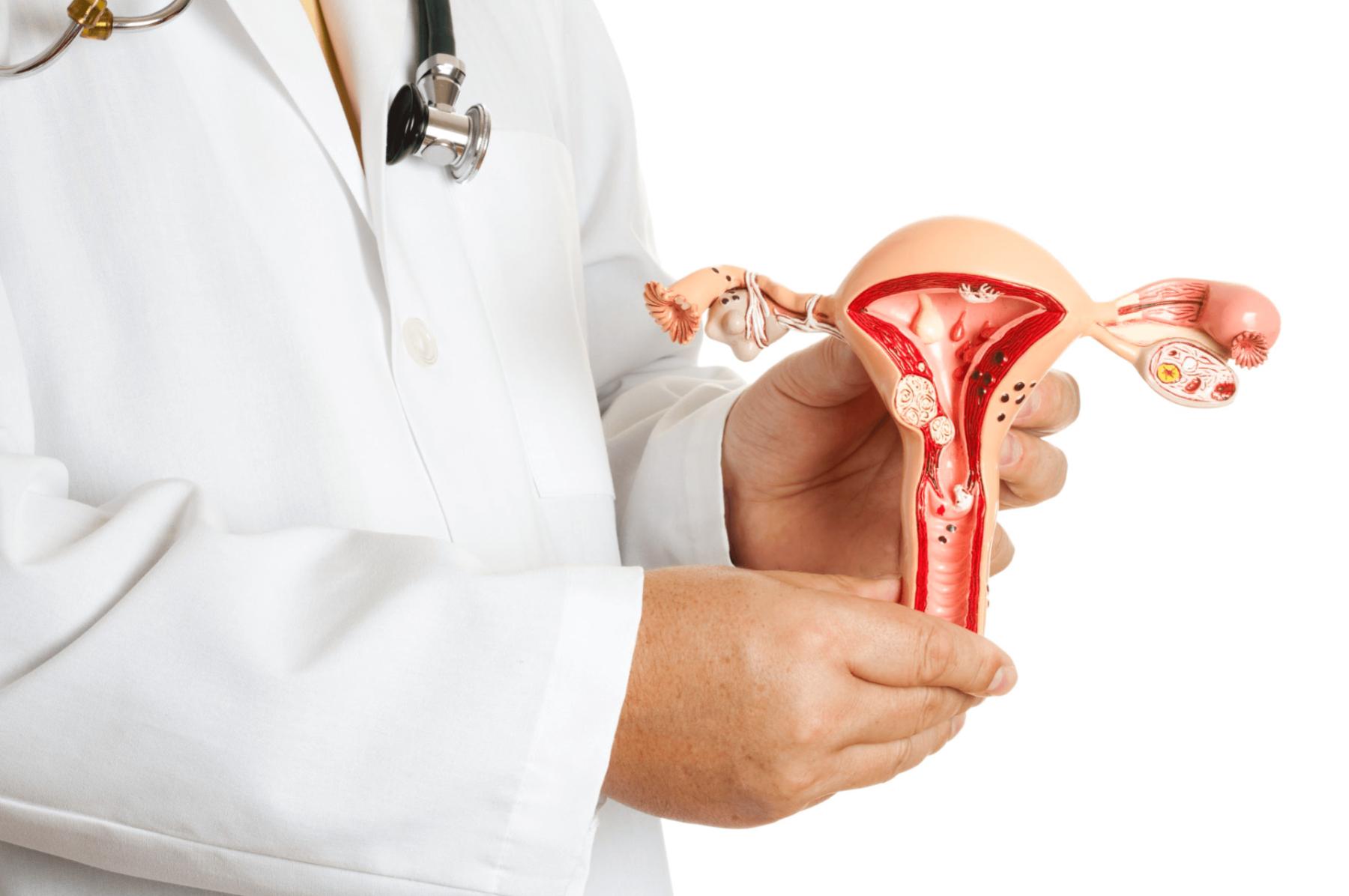
Uterine fibroids are abnormal growths in the muscular wall of the uterus and are among the most common health issues in women, especially during reproductive age. Symptoms can range from being unnoticeable for months or years to causing chronic pain and heavy bleeding that affects daily life.
Common Symptoms of Uterine Fibroids:
Heavy menstrual bleeding or prolonged periods
Pain in the lower abdomen or back
Feeling pressure or bloating in the pelvic area
Difficulty conceiving or fertility issues in some cases
Modern Solution: Laparoscopic Surgery
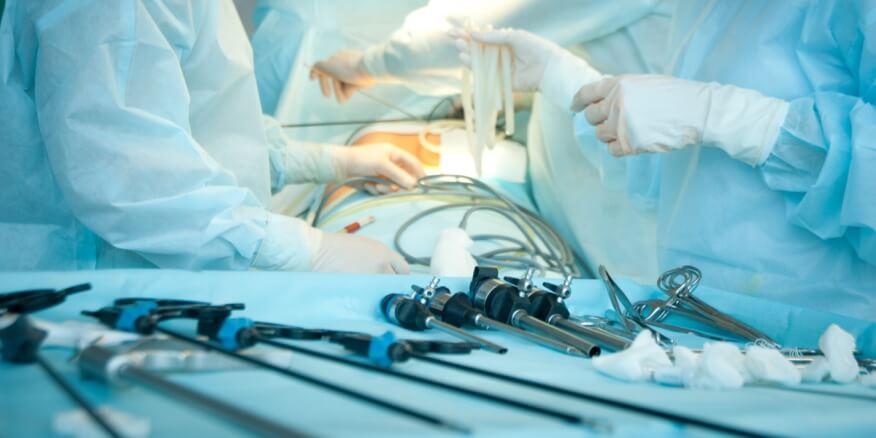
Treatment has become easier and safer thanks to advanced laparoscopic techniques, allowing the removal of fibroids or even the uterus almost painlessly with a much faster recovery compared to traditional surgery.
Benefits of Laparoscopic Surgery:
Less Pain and Faster Recovery: Most women return to their normal daily activities within a few days after the procedure.
Small Incisions and Better Cosmetic Results: The surgery is done through tiny cuts of 1-2 cm, minimizing scarring.
Higher Precision and Safety: Using high-definition cameras and advanced instruments ensures precise removal of the fibroid while protecting surrounding organs.
Reduced Risk of Complications: Such as infection or bleeding compared to traditional surgery.
Psychological Comfort and Easier Recovery: Less pain and a quicker return to daily life reduce post-operative stress.
How to Prepare for the Surgery?
Complete blood tests and overall health assessments
Ultrasound or MRI scans to determine the size and location of the fibroid
Discussing options with your doctor to ensure laparoscopic surgery is suitable for your case
Recovery After Surgery:
Typically, you can return to normal daily activities within one to two weeks.
Rest and avoid heavy lifting during the first two weeks.
Follow up with your doctor for regular check-ups to ensure full recovery.
When Should You Start Treatment?
If you experience persistent pain, frequent bleeding, or any symptoms affecting your quality of life, don’t wait—early intervention leads to better outcomes.
Special Offers for November
🎁 Discount on laparoscopic surgeries throughout the month, making it easier to take the step toward treatment without delay.
Clinic Locations and Appointments with Dr. Khaled Abdelaziz
October
🏥 Suad Kafafi Hospital – Al Hay Al Motamayez | 📞 16111
🏢 Cargo Mall – Sheikh Zayed – 3rd Floor – Clinic 4 | 📞 01080032117
🏥 Palm Health Clinic – Palm Hills Entrance – Hero Mall – Sour Al Khamael | 📞 01210155620
Maadi
📍 43 Algeria Square – Awlad Ragab Building – 5th Floor | 📞 01093634495
Zakat Foundation
📍 Zakat Street – Yamani Clinic | 📞 01012224407
About the Doctor
👨⚕️ Dr. Khaled Abdelaziz
PhD in Obstetrics and Gynecology & Advanced Laparoscopy
Lecturer at the Faculty of Medicine
Extensive experience in laparoscopic fibroid surgery and hysterectomy
Conclusion
Uterine fibroids are not the end of the road. With modern medical advances, you can regain your normal life almost pain-free and worry-free. Taking the step for treatment now means a healthier, more comfortable future.