Vascular Surgeon Reveals Why Even Healthy Arteries Can Become Blocked and Warns of Five Critical Symptoms
A vascular surgeon has explained how arterial blockages can affect even seemingly healthy individuals, highlighting five key signs that require urgent medical evaluation.

Many people overlook chest discomfort, fatigue, or numbness, assuming they are temporary issues, while these symptoms may in fact signal early artery blockages — a concern strongly emphasized by vascular surgeon Dr. Sumit Kapadia.
Causes of Arterial Blockage
Dr. Kapadia explains that arterial blockages develop gradually as fats, cholesterol, calcium, and inflammatory cells accumulate inside blood vessels. This process, known as atherosclerosis, narrows arteries over time and may eventually trigger dangerous clots leading to heart attacks, strokes, or peripheral artery disease.
Warning Signs Not to Ignore
The doctor identifies five common signs that may indicate arterial blockage:
1. Chest Pain Radiating to Other Areas
Angina, often described as pressure or tightness spreading to the arm, neck, or back, is a key sign of narrowed heart arteries. Many mistake it for indigestion or muscle strain.
2. Leg Pain During Walking (Claudication)
Claudication is a classic symptom of peripheral artery disease, caused by reduced blood flow to the legs and resulting in painful cramps.
3. Shortness of Breath With Minimal Effort
Difficulty breathing during light activities, such as climbing stairs, can indicate reduced oxygen supply to the heart and lungs due to blocked arteries.
4. Persistent Unexplained Fatigue
Ongoing fatigue, especially among women, can be a sign of silent ischemia, where the heart receives insufficient oxygen.
5. Numbness or Coldness in Limbs
Tingling or numbness in the hands or feet may signal poor circulation caused by arterial blockages. The risk is higher among people with diabetes.
Leg and Foot Swelling as an Additional Indicator
Chronic swelling in the ankles or legs may indicate circulatory obstruction affecting blood return, which can escalate into serious complications.
Prevention Through Lifestyle Choices
Experts highlight the importance of regular exercise, a healthy diet, and routine medical check-ups in reducing the risk of atherosclerosis.

Regular health screening is one of the most important steps to maintain good health and detect diseases early. The essential medical checkups for every age help in preventing complications and ensuring a healthier life.
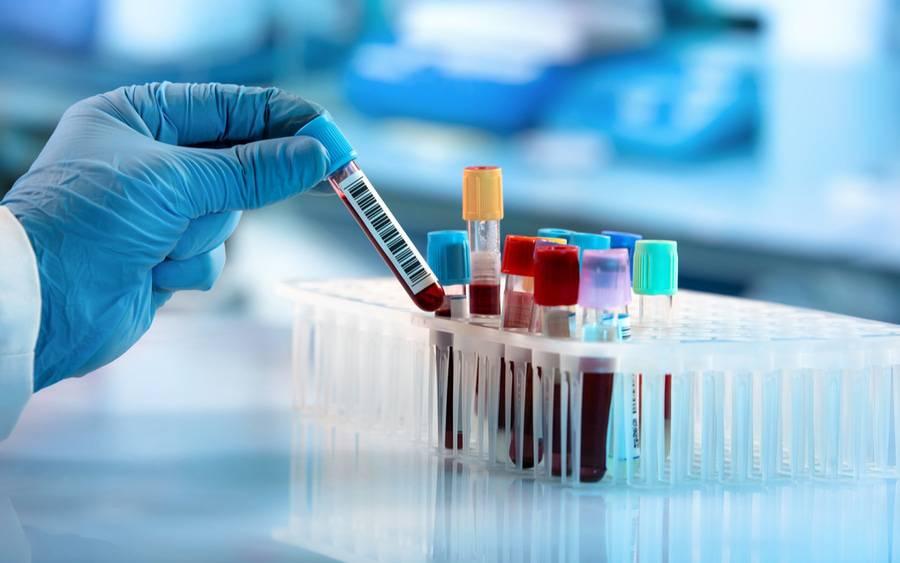
Many people, after doing medical tests, receive their results and immediately start looking at numbers and unfamiliar terms like (High – Low – Normal) without fully understanding what they actually mean.

When dealing with medical services, many people come across different titles for doctors such as “Specialist” and “Consultant”, which can sometimes create confusion about what each title actually means and how they differ from each other.

Choosing the right time to visit a doctor is not a random decision. It can directly affect how quickly a condition is diagnosed and how effective the treatment will be. Many people delay visiting a doctor or go at the wrong time, which may lead to worsening symptoms or delayed care.
