
Viral Diseases in Cats and Feline Panleukopenia | Oasis Pet Clinic
Cats can be affected by several viral diseases that may involve the digestive system, respiratory system, or immune system. The severity of infection varies depending on the type of virus, the cat’s age, overall health, and vaccination status.
One of the important viral diseases in cats is Feline Panleukopenia, commonly known as cat panleukopenia. It is a highly contagious viral disease that can become serious, especially in kittens and unvaccinated cats. Infection may cause vomiting, diarrhea, loss of appetite, lethargy, and dehydration, and in some cases, the condition can progress rapidly.
Therefore, any noticeable change in a cat’s appetite, activity, bowel movements, or vomiting should be taken seriously, particularly if the cat is young or has not completed its vaccinations.
If you are looking for veterinary care for cats in Nasr City, you can contact Oasis Pet Clinic for an appropriate veterinary evaluation of your cat’s condition.
.jpg)
2. Oasis Pet Clinic Contact Information
📍 Address:
14 Makram Ebeid, Sixth District, Nasr City, Cairo, Egypt.
📞 Contact Number:
01156131696
3. What Viral Diseases Can Affect Cats?
Several viruses can affect cats, and their symptoms and complications vary from one disease to another.
Common viral diseases in cats include:
- Feline Panleukopenia.
- Feline Herpesvirus.
- Feline Calicivirus.
- Feline Leukemia Virus (FeLV).
- Feline Immunodeficiency Virus (FIV).
An infection with a particular virus does not necessarily cause the same symptoms in every cat. Determining the cause depends on veterinary examination and the cat’s medical history, and additional tests may be required.
4. What Is Feline Panleukopenia?
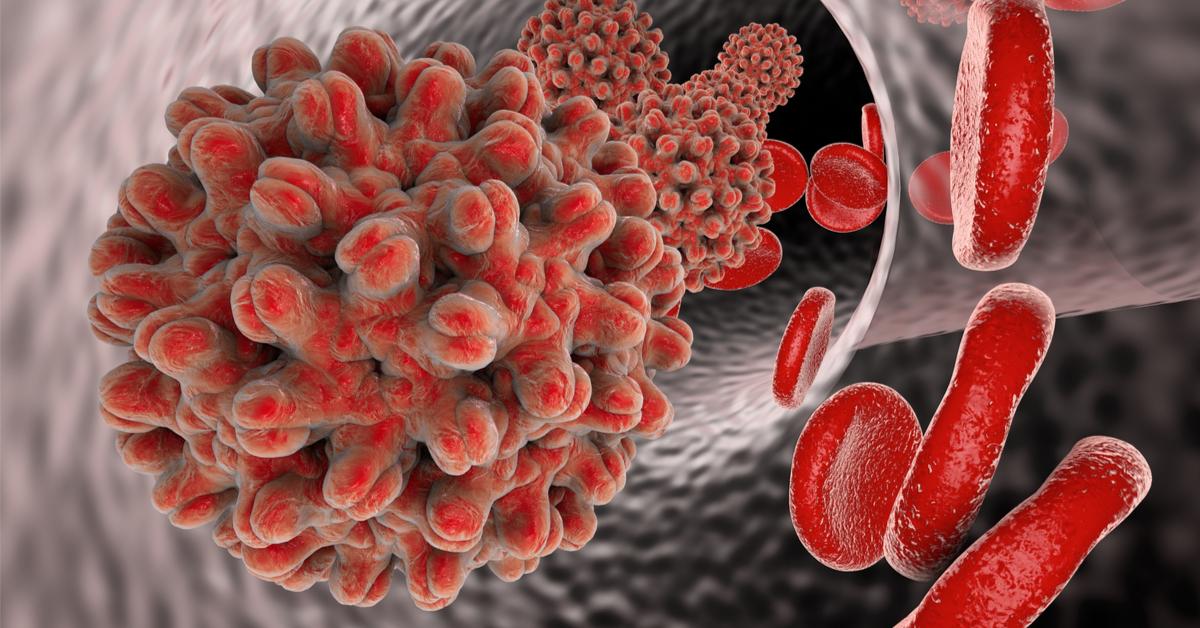
Feline Panleukopenia Virus (FPV) is a highly contagious viral disease that affects cats. It is also known as feline viral enteritis.
Despite the name “cat panleukopenia,” it is not the same disease as canine distemper. It is caused by a different virus that primarily affects cats.
The virus particularly affects rapidly dividing cells, including certain intestinal cells, bone marrow cells, and lymphoid tissues. As a result, it may cause digestive symptoms and a significant reduction in white blood cells.
5. Which Cats Are More Vulnerable to Feline Panleukopenia?
Cats of different ages can become infected, but the disease can be more severe in:
- Kittens.
- Unvaccinated cats.
- Cats that have not completed their core vaccination schedule.
- Cats living in large groups.
- Cats exposed to infected cats or contaminated environments.
Young kittens are particularly vulnerable to severe complications, and death can occur in acute cases.
6. How Does Feline Panleukopenia Spread?
Feline Panleukopenia Virus is highly contagious and can remain in the environment for extended periods if proper cleaning and disinfection are not carried out.
The infection can spread through:
- Direct contact with an infected cat.
- Contaminated feces, vomit, and secretions.
- Contaminated litter boxes.
- Food and water bowls.
- Contaminated toys and equipment.
- Bedding, cages, and contaminated surfaces.
- Clothing or hands that have come into contact with contaminated material and have not been properly cleaned.
The virus can also pass from a mother cat to unborn kittens during pregnancy, potentially causing nervous system development problems in some kittens.
7. Symptoms of Feline Panleukopenia
Symptoms can vary from one cat to another, but common signs may include:
- Severe lethargy.
- Loss of appetite.
- Fever.
- Vomiting.
- Diarrhea.
- Dehydration.
- Abdominal pain or discomfort.
- General weakness.
In severe cases, the condition can progress rapidly, and sudden death may occur, particularly in young kittens.
If these signs appear, it is important to contact a veterinarian as soon as possible rather than waiting for the symptoms to become more severe.
8. Do Vomiting and Diarrhea Mean That a Cat Has Panleukopenia?
Not necessarily.
Vomiting and diarrhea can occur for many reasons, including digestive problems, infections, parasites, certain types of poisoning, and other conditions.
However, when these symptoms are accompanied by severe lethargy, significant loss of appetite, or fever—especially in a young or unvaccinated cat—the veterinarian may need to consider feline panleukopenia among the possible causes.
Therefore, the disease cannot be diagnosed based on symptoms alone.
9. How Is Feline Panleukopenia Diagnosed?
The veterinarian considers several factors when evaluating a cat, including:
- The cat’s age.
- Vaccination status.
- Current symptoms.
- Medical history.
- Possible exposure to infected cats.
- Clinical examination.
The veterinarian may use tests to detect the virus, along with a complete blood count. A significant decrease in white blood cells may occur in infected cats.
Some cases may require additional tests to rule out other diseases that can cause similar symptoms.
10. Is There a Treatment for Feline Panleukopenia?
There is no direct antiviral treatment that eliminates feline panleukopenia. Therefore, treatment focuses on intensive supportive care according to the severity of the condition.
Veterinary care may include:
- Replacing fluids and treating dehydration.
- Controlling vomiting.
- Monitoring blood sugar and electrolyte levels when needed.
- Providing nutritional support.
- Managing secondary infections and complications when they occur.
- Continuous veterinary monitoring in severe cases.
Severe cases may require hospitalization, intravenous fluids, and intensive supportive care.
Early veterinary evaluation is especially important because the disease can progress quickly, particularly in kittens.
11. How Can Feline Panleukopenia Be Prevented?
Vaccination is one of the most important ways to prevent feline panleukopenia. The panleukopenia vaccine is considered a core vaccine for cats and is commonly included in the FVRCP combination vaccine, which also provides protection against common feline respiratory viruses.
Daily preventive measures can also help reduce the risk of infection, including:
- Following the vaccination schedule recommended by the veterinarian.
- Preventing sick cats from coming into contact with healthy cats.
- Temporarily isolating a new cat until it has been examined by a veterinarian.
- Cleaning and disinfecting appropriate equipment and surfaces.
- Avoiding the sharing of food bowls, water bowls, and litter boxes between sick and healthy cats.
- Washing hands after handling other cats, especially sick cats.
- Limiting exposure of unvaccinated cats to environments that may contain infectious material.
The veterinarian determines the appropriate vaccination schedule according to the cat’s age, health status, and vaccination history.
12. Other Viral Diseases in Cats
In addition to feline panleukopenia, other viruses can cause different health problems in cats.
Feline Herpesvirus
Feline herpesvirus may be associated with upper respiratory symptoms such as sneezing, eye and nasal discharge, and conjunctivitis. Young cats may be more vulnerable to complications.
Feline Calicivirus
Feline calicivirus can contribute to upper respiratory disease in cats. Symptoms may include sneezing, discharge, and oral symptoms in some cases.
Feline Leukemia Virus (FeLV)
FeLV can affect a cat’s immune system and may increase its susceptibility to infections and other health problems.
Feline Immunodeficiency Virus (FIV)
FIV can affect immune system function, potentially making an infected cat more vulnerable to certain infections and health problems.
The transmission routes and prevention methods differ among these viruses. A veterinarian can determine the appropriate tests and vaccinations based on the cat’s lifestyle and level of exposure.
13. When Does a Cat Need Urgent Veterinary Care?
A veterinary examination should not be delayed when severe or persistent symptoms appear, particularly:
- Repeated vomiting.
- Severe or persistent diarrhea.
- Refusal to eat.
- Severe lethargy.
- Signs of dehydration.
- Fever.
- Noticeable pain.
- Difficulty moving or severe weakness.
- Rapid deterioration in the cat’s condition.
Young or unvaccinated cats require particular attention when symptoms consistent with viral diseases appear.
14. Frequently Asked Questions About Feline Panleukopenia and Viral Diseases
Is feline panleukopenia dangerous?
Yes. Feline panleukopenia can be a very serious disease, especially in kittens and unvaccinated cats, and severe cases can be fatal.
Is feline panleukopenia contagious between cats?
Yes. The virus is highly contagious and can spread through infected cats, their secretions, contaminated equipment, and contaminated surfaces.
Can feline panleukopenia be prevented?
Yes. Vaccination is one of the most important preventive measures, along with proper hygiene, appropriate isolation, and reducing exposure to potential sources of infection.
Can an indoor cat get feline panleukopenia?
Yes. Even indoor cats can be exposed to the virus through clothing, equipment, or people who have come into contact with contaminated environments. This is why vaccination and preventive care remain important.
Can feline panleukopenia be treated at home?
Cats suspected of having feline panleukopenia should receive veterinary evaluation. Home treatment alone is not recommended, particularly when vomiting, diarrhea, dehydration, or severe lethargy is present.
15. Protect Your Cat’s Health with Oasis Pet Clinic
Viral diseases in cats can vary significantly in their symptoms and severity. Feline panleukopenia, in particular, requires attention and prompt evaluation when signs such as vomiting, diarrhea, loss of appetite, and lethargy appear.
If your cat develops concerning symptoms or you want to keep up with vaccinations and preventive care, you can contact Oasis Pet Clinic for an appropriate veterinary evaluation.
📍 Address:
14 Makram Ebeid, Sixth District, Nasr City, Cairo, Egypt.
📞 Contact Number:
01156131696