
Vision Impairment: Causes, Treatment, and Best Prevention Methods
Introduction
Vision impairment (weak eyesight) is one of the most common eye problems in modern times, affecting people of all ages. It may develop gradually or suddenly, and its causes and treatment methods vary depending on the condition. In this article, we explain the main causes of vision impairment, treatment options, and prevention methods in a simple and practical way.
What Is Vision Impairment?
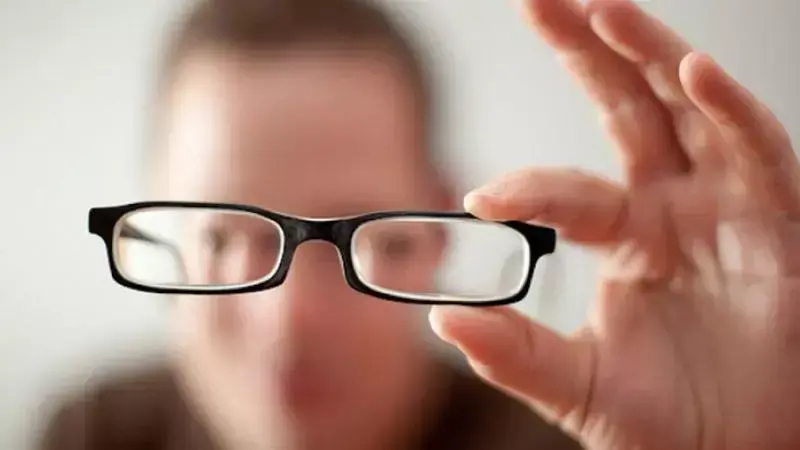
Vision impairment is a medical condition that leads to blurred or unclear vision, either at near or far distances, due to problems in the eye or how light is focused on the retina.
Types of Vision Impairment
- Myopia (Nearsightedness)
- Hyperopia (Farsightedness)
- Astigmatism
- Age-related vision loss
Causes of Vision Impairment
- Genetic factors
- Excessive screen use
- Aging
- Eye diseases such as cataracts
Symptoms of Vision Impairment
- Blurred vision
- Frequent headaches
- Difficulty reading
- Eye strain and fatigue
Can Vision Impairment Improve?
In some cases, vision can be improved using glasses, contact lenses, or laser eye surgery. However, in other cases, it may be permanent and requires ongoing management.
Treatment of Vision Impairment
- Prescription glasses
- Contact lenses
- Laser eye surgery (LASIK)
- Treatment of underlying eye conditions
Prevention of Vision Impairment
- Reduce screen time
- Take regular eye breaks
- Ensure proper lighting when reading
- Schedule regular eye exams
Vision Problems in Children
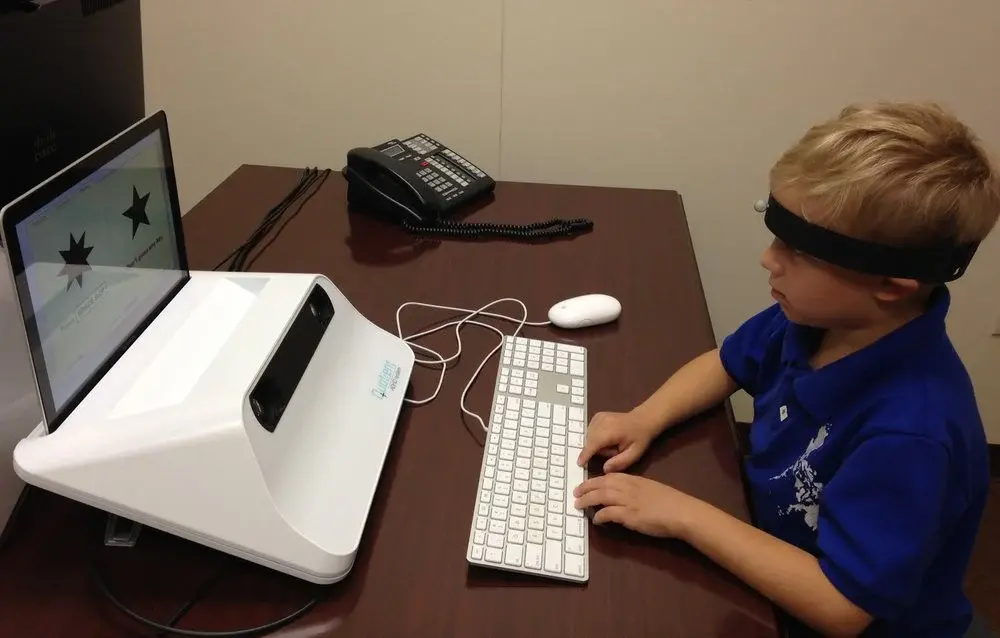
Vision impairment in children should be detected early to avoid its impact on learning and visual development. Regular eye check-ups are strongly recommended.
When Should You See an Eye Doctor?
You should visit an eye specialist if you experience persistent blurred vision, frequent headaches, or difficulty focusing.
Conclusion
In conclusion, vision impairment is a common condition but is treatable or manageable in most cases. Early diagnosis and following medical advice play a major role in maintaining eye health.
If you notice any changes in your vision, do not hesitate to consult an eye doctor immediately.