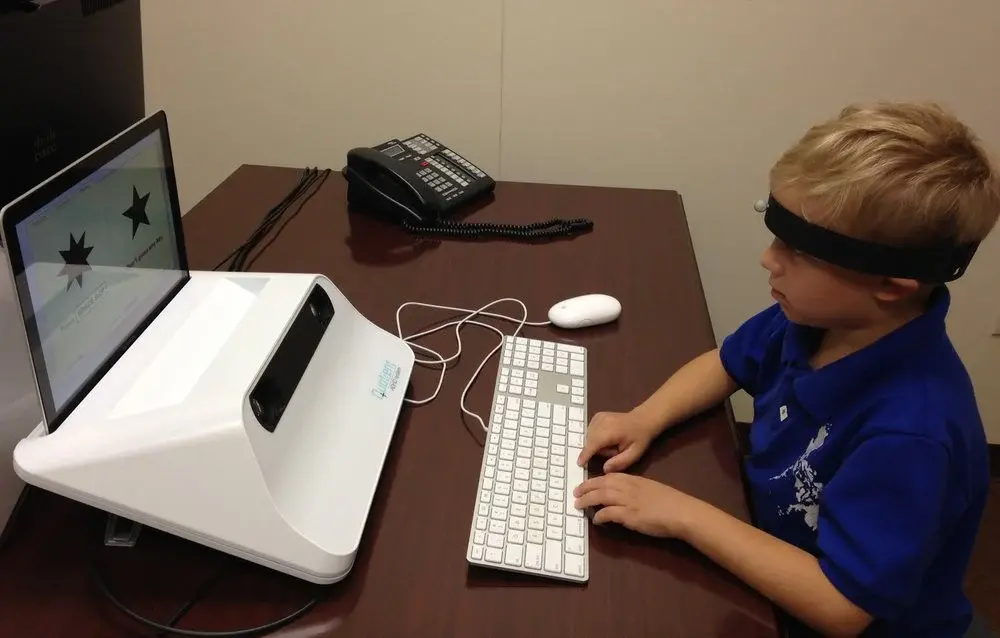
Many people experience vision problems without realizing they may actually need prescription glasses. Weak eyesight usually develops gradually over time rather than appearing suddenly, affecting daily activities, focus, and overall performance.
In this article, you will discover when you need glasses, the most common signs of vision problems, their causes, and how to choose the right pair for your needs.
What Are Prescription Glasses and Why Are They Needed?
Prescription glasses are a medical tool used to correct vision problems such as myopia (nearsightedness), hyperopia (farsightedness), and astigmatism. They work by properly focusing light onto the retina to produce clearer vision.
When Do You Need Glasses?
You may need glasses if you notice any of the following signs:
- Blurry vision when looking at distant or nearby objects
- Holding objects too close to read clearly
- Frequent headaches, especially after reading or using a phone
- Eye strain when using a computer
- Double or unstable vision
- Difficulty driving at night due to poor vision
If these symptoms persist, a comprehensive eye examination is recommended.
Causes of Weak Vision
Vision problems usually develop due to several factors:
1. Genetics
A family history of vision problems increases the risk of developing similar conditions.
2. Excessive Screen Time
Long hours spent on smartphones or computers can strain the eyes and affect focus.
3. Aging
As we age, the eye’s ability to focus naturally declines.
4. Refractive Errors
- Myopia (nearsightedness)
- Hyperopia (farsightedness)
- Astigmatism
How to Know You Need an Eye Exam
You should consider an eye test if you experience:
- Changes in visual clarity
- Constant eye fatigue
- Frequent unexplained headaches
- Needing to move objects closer to see clearly
Early detection helps prevent further deterioration of vision.
Types of Vision Problems That Require Glasses
1. Myopia (Nearsightedness)
Near objects appear clear, while distant objects appear blurry.
2. Hyperopia (Farsightedness)
Distant objects are clearer than nearby ones.
3. Astigmatism
Caused by an irregularly shaped cornea, leading to distorted or blurred vision.
How to Choose the Right Glasses
Choosing the right eyewear depends on more than just your prescription:
- Face shape
- Lens type (anti-glare, blue light protection)
- Usage purpose (reading, driving, work)
- Comfort and fit
Tips for Maintaining Eye Health
- Reduce screen time
- Take regular breaks
- Ensure proper lighting while reading
- Get an eye exam every 6–12 months
- Use protective eyewear when necessary
When Should You Visit an Eye Doctor?
You should see a specialist immediately if you notice:
- Sudden vision deterioration
- Persistent headaches with eye strain
- Difficulty focusing visually
- Constant need to move objects closer
Conclusion
Understanding when you need glasses is essential for maintaining good vision and improving quality of life. Early eye examinations and proper corrective lenses can prevent worsening conditions and ensure clearer, more comfortable vision.