
What Happens When the Eldest Daughter Needs Someone to Support Her? | Dr. Rehab Helmy
The eldest daughter may spend her entire life being the responsible one everyone depends on. But what happens when she faces illness, divorce, widowhood, or a personal crisis that leaves her needing someone to support her?
In many families, the eldest daughter does not necessarily choose to become "the strong one." Parenting, family circumstances, and early responsibilities may gradually place her in that position.
She becomes the person who helps her siblings, supports her parents, listens to family problems, and tries to remain present whenever someone needs her.
Over time, this role can become part of her identity. She may begin to feel that she must always cope, remain strong, and avoid needing anyone else.
But when she experiences a crisis herself, she may face a difficult question:
How can she ask for support when she has spent years being the person who provides it?
If you are going through a period in which you feel that you have carried too much for too long and now need someone to listen and support you, you can contact Dr. Rehab Helmy in Al Haram, Giza for a psychological consultation.
📞 For appointments and inquiries: 01030529584
Why Does the Eldest Daughter Sometimes Carry So Much Responsibility?
Birth order alone does not determine a woman's personality or make her more responsible than her siblings.
However, family dynamics, parenting, and life circumstances may place greater responsibilities on the eldest daughter from an early age.
She may help care for younger siblings, support her mother, manage household tasks, or become the person the family turns to during difficult situations.
Over time, she may develop the belief that she must always be capable of dealing with problems.
Responsibility then becomes more than something she does. It becomes part of how she sees herself:
"I am the person everyone depends on."
This can make it difficult when she eventually needs to depend on someone else.
What Happens When the Eldest Daughter Needs Someone to Support Her?
When the eldest daughter experiences illness, divorce, widowhood, loss, or an emotional crisis, she may no longer have the psychological energy to maintain the role she has always played.
She may need someone to listen, help her, or give her space to express fear and sadness without having to reassure everyone else at the same time.
But because she is used to being the person who provides support, she may feel uncomfortable or guilty when she becomes the one who needs it.
She may think:
-
"I have to stay strong."
-
"I cannot fall apart right now."
-
"Everyone needs me."
-
"I don't want to become a burden."
-
"I should be able to handle this."
As a result, the crisis itself may not be the only source of distress. Refusing to allow herself to receive support can become part of the problem.
When Strength Becomes Pressure
Being strong and responsible can be positive qualities. The difficulty begins when a woman feels that she is not allowed to become tired or vulnerable.
A woman who is accustomed to handling problems may continue fulfilling her responsibilities even when her current circumstances have exceeded her emotional capacity.
She may not allow herself to grieve or rest because she believes someone else always needs her.
In this context, emotional strength should not be confused with handling everything alone.
True strength can also mean recognizing your limits, acknowledging your needs, and asking for help when necessary.
Why Is It Difficult for the Eldest Daughter to Ask for Help?
She Is Used to Giving More Than Receiving
When a woman spends years listening to others and supporting them, receiving support herself may feel unfamiliar.
She Is Afraid of Becoming a Burden
She may believe that everyone else already has enough responsibilities, so she tries to hide her own needs.
She Connects Her Value to Her Ability to Cope
The belief that "I can handle everything" may become part of her identity, making it uncomfortable when she realizes that she cannot cope in the same way anymore.
She Feels Responsible for Everyone
Even during a personal crisis, she may continue focusing on her family's needs while placing her own needs at the bottom of the list.
For this reason, learning to accept support can become an important part of restoring emotional balance.
What Happens to the Eldest Daughter After Divorce?
Divorce can become a major turning point, especially for a woman who is already accustomed to carrying multiple responsibilities.
She may face changes in her lifestyle, family relationships, responsibilities toward her children, and emotional state.
At the same time, she may feel pressured to move on quickly and return to her usual role of caring for everyone else.
But coping with divorce does not mean ignoring emotions or forcing yourself to appear strong all the time.
It can be important to have enough space to process what happened, understand the emotions surrounding the experience, and gradually reorganize your life and personal needs.
What Happens When the Eldest Daughter Becomes a Widow?
Widowhood involves emotional loss as well as major changes in daily life and responsibilities.
The eldest daughter may feel that she has to remain strong for her children or family while experiencing grief and vulnerability herself.
She may therefore put her own emotions aside so that she can continue fulfilling her responsibilities.
However, postponing emotions does not necessarily mean processing them.
Psychological support can provide a safe space to deal with grief and adapt to the changes that follow such a major loss.
What If the Eldest Daughter Becomes Ill?
Illness can place a woman in a role she is not accustomed to.
Instead of being the person caring for everyone else, she may suddenly need care herself.
This transition can be particularly difficult for a woman whose identity has been built around independence and responsibility.
She may try to continue fulfilling her usual duties even when she needs rest.
However, accepting care and assistance during illness does not mean losing independence. It means responding appropriately to the needs of the body and mind during a different stage of life.
How Can the Eldest Daughter Begin Accepting Support?
Accepting support does not mean weakness, but it may require changing some deeply established beliefs.
Acknowledge That You Are Tired
You do not have to prove that you can handle everything all the time.
Clearly Express What You Need
People around you may not know what you need unless you tell them.
You may simply need someone to listen, help with a particular responsibility, or be present.
Set Boundaries Around Your Responsibilities
You can love your family and support them without being responsible for solving every problem.
Allow Yourself to Rest
Rest is not selfish, and taking care of yourself does not mean abandoning others.
Seek Professional Support When Needed
If a crisis begins affecting your daily life, sleep, relationships, or ability to function, speaking with a mental health professional may be helpful.
How Can Psychological Counseling Help?
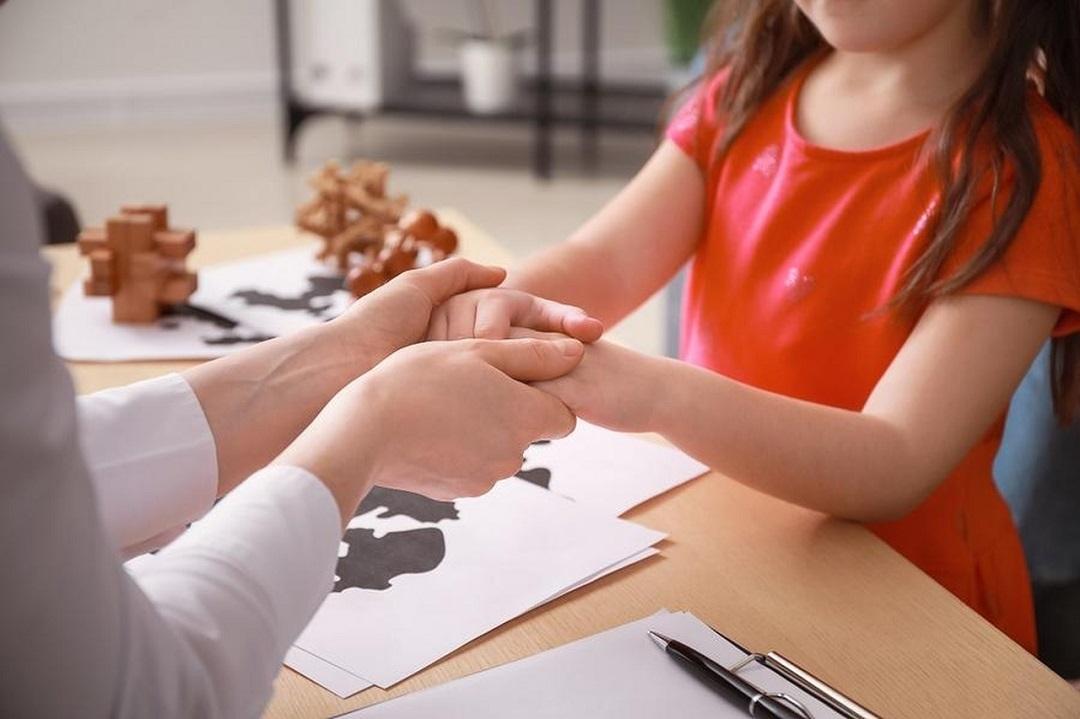
Psychological counseling can give the eldest daughter a space that is different from the roles she is used to playing.
In that space, she does not have to reassure everyone or solve other people's problems.
She can talk about herself, her fears, grief, anger, or emotional exhaustion—especially feelings that may be difficult to express around family members.
Counseling may also help her understand long-standing patterns such as excessive responsibility, difficulty setting boundaries, or guilt when asking for help.
The goal is not to make her stop caring about others. Instead, it is to help her become responsible without neglecting herself.
Dr. Rehab Helmy's Professional Perspective on the Eldest Daughter's Need for Support
The eldest daughter's need for psychological support should be understood as a normal human need rather than a sign of weakness or failure.
A woman who has spent years supporting others may eventually need a dedicated space where she can express her own emotions without being expected to maintain the image of the strong person all the time.
Psychological counseling can provide a space to better understand emotional pressure, process difficult experiences, and develop healthier boundaries within relationships.
Editorial note: This section presents a general professional perspective and is not a direct quotation from Dr. Rehab Helmy.
How Can the Family Support the Eldest Daughter?
Supporting the eldest daughter does not always mean giving advice.
Sometimes, what she needs most is to feel that someone notices how tired she has become.
Family members can help by:
-
Listening without minimizing her emotions.
-
Not assuming that she can handle everything.
-
Offering practical help when needed.
-
Respecting her need for rest and privacy.
-
Asking directly what she needs.
-
Avoiding additional responsibilities during a difficult period.
A simple question such as:
"What do you need right now?"
may be more supportive than assuming she is fine simply because she has always been strong.
When Should the Eldest Daughter Consider Psychological Counseling?
Experiencing grief or stress does not automatically mean that someone has a psychological disorder. People respond to difficult situations differently.
However, professional support may be worth considering when emotional distress becomes persistent or begins to interfere with daily life.
Important signs may include:
-
Persistent emotional exhaustion.
-
Difficulty coping with grief or loss.
-
Ongoing anxiety.
-
Feeling guilty whenever you take care of yourself.
-
Difficulty setting boundaries.
-
Difficulty expressing emotions and personal needs.
-
Continuing to carry responsibilities beyond your capacity.
-
Problems with sleep, relationships, or everyday functioning.
If these difficulties become significant, you can contact Dr. Rehab Helmy in Al Haram, Giza to discuss your situation and explore appropriate psychological support.
📞 For appointments and inquiries: 01030529584
Frequently Asked Questions
Does every eldest daughter experience excessive responsibility?
No. Birth order alone does not determine personality. Parenting, family dynamics, and life circumstances all influence the experience.
Why do I feel that I always have to be strong?
This may develop after years of being the responsible person others depend on, making it difficult to express vulnerability or personal needs.
Does asking for help mean that I am weak?
No. Asking for support is a normal human need and does not conflict with independence or personal strength.
How can I stop feeling guilty when I take care of myself?
It may help to remember that taking care of yourself does not mean abandoning your family. Rest, boundaries, and support can help maintain emotional balance.
Can psychological counseling help after divorce or widowhood?
Psychological counseling can help some women process the emotions and life changes associated with these experiences, while taking individual circumstances into account.
Psychological Consultation With Dr. Rehab Helmy in Al Haram
If you are the eldest daughter who has spent years supporting everyone else and now find yourself needing someone to listen and support you, you do not have to force yourself to face everything alone.
You can contact Dr. Rehab Helmy in Al Haram, Giza for a psychological consultation and a safe space to discuss what you are experiencing.
📞 For appointments and inquiries: 01030529584
Conclusion
The eldest daughter may spend years supporting everyone around her until the idea of needing someone else begins to feel unfamiliar.
But illness, divorce, widowhood, or any major life crisis can remind her that she does not have to carry everything alone.
Needing someone to support you does not make you weak, and asking for help does not erase all the years you spent supporting others.
Sometimes, the bravest step is simply allowing yourself to say:
"I need someone to support me too."