What to Eat and What to Avoid to Treat Anemia Quickly: A Complete Guide to Regaining Your Strength
Medical reports highlight the importance of a targeted diet for anemia, emphasizing foods that support hemoglobin production and others that hinder iron absorption.
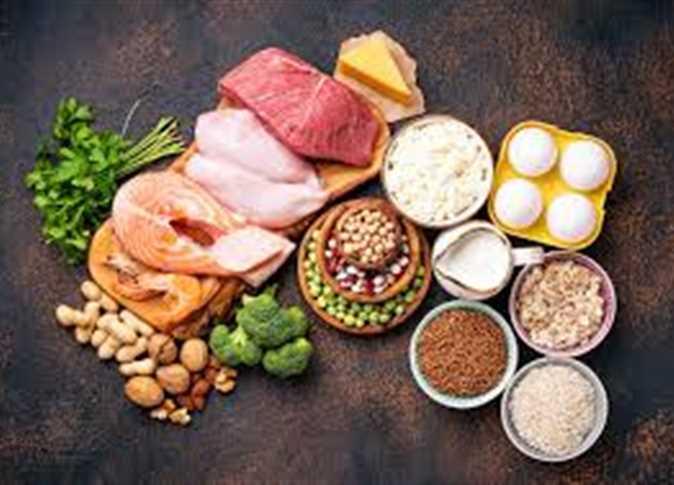
Anemia is a widespread condition affecting more than a billion people globally, often caused by deficiencies in iron, vitamin B12, or folate. These deficiencies impair the blood’s ability to carry oxygen efficiently. Health specialists stress that nutritional strategies play a crucial role in improving hemoglobin levels and accelerating recovery.
Foods that Boost Hemoglobin Production
Experts recommend increasing consumption of heme iron found in red meat, liver, poultry, and fish due to its high absorption rate. Non-heme iron sources—such as lentils, beans, tofu, and leafy greens—remain essential but require pairing with vitamin C–rich foods like lemon or oranges to enhance absorption.
Folate and vitamin B12 are also vital for forming healthy red blood cells and are found in leafy greens, eggs, dairy products, and meat.
Foods and Drinks That Inhibit Iron Absorption
Tea and coffee contain polyphenols that bind to iron and significantly reduce absorption when consumed with meals. Calcium in dairy products also blocks the absorption of both heme and non-heme iron. Phytates in whole grains, legumes, and nuts may decrease iron availability unless these foods are soaked or fermented.
Smart Strategies for Better Absorption
Nutritionists advise separating tea, coffee, and calcium-rich foods from iron-rich meals by at least two hours. Cooking acidic foods in cast-iron cookware can also slightly increase iron content. Eating smaller, more frequent meals helps maintain a steady supply of nutrients throughout the day.
Lifestyle Habits That Support Recovery
Recovery from anemia extends beyond nutrition. Moderate physical activity, proper hydration, adequate sleep, and regular monitoring of hemoglobin and ferritin levels—especially for pregnant women, adolescents, and older adults—are all essential.
Combining these lifestyle measures with a balanced diet promotes efficient iron absorption and healthier blood formation.

Regular health screening is one of the most important steps to maintain good health and detect diseases early. The essential medical checkups for every age help in preventing complications and ensuring a healthier life.
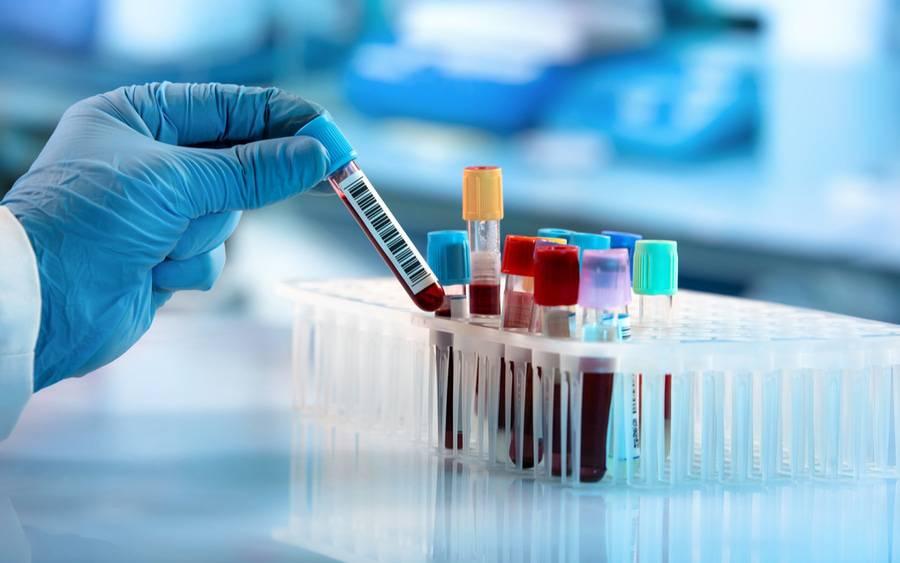
Many people, after doing medical tests, receive their results and immediately start looking at numbers and unfamiliar terms like (High – Low – Normal) without fully understanding what they actually mean.

When dealing with medical services, many people come across different titles for doctors such as “Specialist” and “Consultant”, which can sometimes create confusion about what each title actually means and how they differ from each other.

Choosing the right time to visit a doctor is not a random decision. It can directly affect how quickly a condition is diagnosed and how effective the treatment will be. Many people delay visiting a doctor or go at the wrong time, which may lead to worsening symptoms or delayed care.
