Where Does Medicine Go Inside Your Body? A Study Reveals the Hidden Cellular Journey
A groundbreaking study sheds light on the unseen path medications take inside the body, uncovering unexpected cellular targets behind side effects.

From the moment a pill is swallowed, an intricate and silent journey begins inside the body. Medications pass through absorption, distribution, metabolism, and elimination—but their exact destinations have long remained a mystery.
While drugs enter the bloodstream and spread throughout the body, dissolving in the stomach or intestines depending on their formulation, what happens next has largely been a scientific blind spot. Traditional methods can measure drug levels in organs like the liver, but they cannot pinpoint the exact cells involved—or detect unexpected targets.
A recent study introduces a powerful imaging technique that allows researchers to track medications at the single-cell level throughout the entire body. Using a method called vCatch, scientists mapped the cellular binding sites of two widely used cancer drugs.
The findings revealed that one drug binds not only to its intended targets but also to heart and vascular tissues, offering new insight into its known cardiovascular risks.
Unlike conventional clinical trials, which assess overall effectiveness and common side effects, this approach uncovers precise cellular interactions. Earlier tracking methods relied on tissue destruction or low-resolution imaging, providing only a broad overview.
The vCatch technique works by modifying drugs that form permanent chemical bonds with their biological targets. Researchers attach a small chemical tag to the drug, which later reacts with a fluorescent marker through a highly selective “click chemistry” reaction, illuminating the drug’s exact location.
To visualize deep tissues like the brain and heart, the team developed a multi-step processing method that preserves accuracy while avoiding background noise. Artificial intelligence was then used to analyze terabytes of imaging data, automatically identifying drug-bound cells across the body.
When applied to cancer treatments, the technique confirmed expected drug accumulation in lung tissue, while also uncovering surprising binding patterns in cardiac and immune cells—helping explain serious side effects.
This breakthrough brings science closer to fully understanding not just where drugs go, but how they truly interact with the body—cell by cell.

Regular health screening is one of the most important steps to maintain good health and detect diseases early. The essential medical checkups for every age help in preventing complications and ensuring a healthier life.
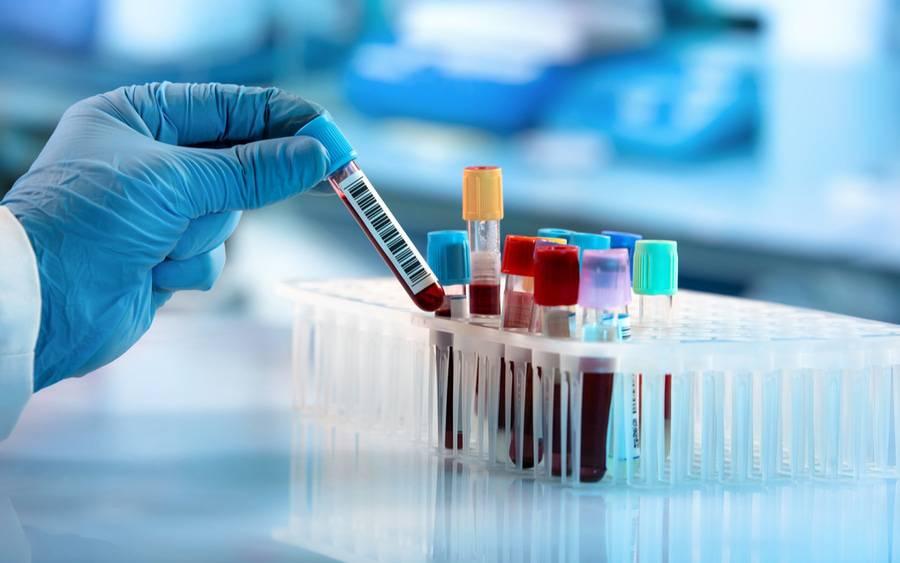
Many people, after doing medical tests, receive their results and immediately start looking at numbers and unfamiliar terms like (High – Low – Normal) without fully understanding what they actually mean.

When dealing with medical services, many people come across different titles for doctors such as “Specialist” and “Consultant”, which can sometimes create confusion about what each title actually means and how they differ from each other.

Choosing the right time to visit a doctor is not a random decision. It can directly affect how quickly a condition is diagnosed and how effective the treatment will be. Many people delay visiting a doctor or go at the wrong time, which may lead to worsening symptoms or delayed care.
