
Why Do Children Lie? Understanding Child Behavior Without Premature Judgment
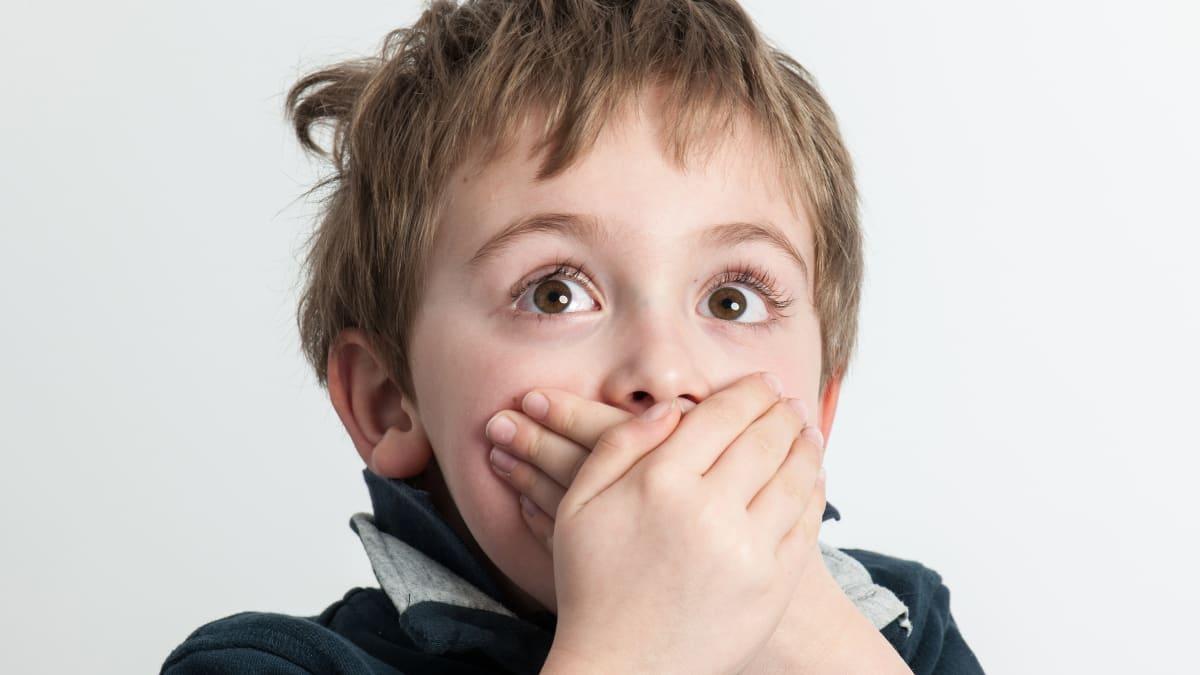
Many parents experience daily situations where they feel confused about what their child is saying. A child may describe an event in a way that seems unrealistic or exaggerated, or the mother may feel that the story did not happen that way at all—or may not have happened in the first place. With repetition, concern begins to grow: Is my child lying? And does that mean he or she is a liar?
However, the psychological and educational truth is that the issue is far deeper than simple “lying,” and rushing to judge a child may worsen the situation instead of solving it.
In this context, Dr. Rehab Helmy explains that children’s lying is not always intentional deception, but often a psychological message that needs understanding before punishment.
Do All Things Children Say Count as Lies?
The first important point is that young children, especially in early years, may not clearly distinguish between imagination and reality. Therefore, they may describe events inaccurately without intending to lie.
In addition, children’s memory is still developing, and they may reconstruct events differently each time based on emotions or a desire for attention.
Reasons Why Children Lie
1. Fear of Punishment
One of the most common reasons. When a child feels that telling the truth will lead to anger or harsh punishment, they may change the story or deny what happened.
2. Seeking Attention
Some children exaggerate or invent stories to feel important or noticed, especially if they do not receive enough attention from parents.
3. Imitating Adults
Children learn from their environment. If they see adults exaggerating or changing facts in certain situations, they may assume this behavior is normal.
4. Strong Imagination
Children have very active imaginations and may mix reality with fantasy without realizing they are creating false events.
5. Testing Boundaries
Sometimes a child tests parents’ reactions: What will happen if I say this? Will I be caught?
Why Do We Feel That Children “Lie More Than They Tell the Truth”?
The feeling that a child is not telling the truth all the time may result from a gradual loss of trust between both sides. The more harsh or judgmental the parents’ reaction, the more likely the child will hide the truth in the future.
Thus, the problem shifts from “lying behavior” to “unsafe communication relationship.”
How Should We Respond to These Situations?
1. Do Not Rush to Accuse
Instead of saying: “You are a liar,” it is better to say calmly: “Tell me again what happened, I want to understand better.”
2. Focus on Emotions, Not Accusations
Try to understand the reason behind the behavior: Was the child afraid? Seeking attention?
3. Provide Safety for Truth-Telling
A child will not tell the truth if they expect severe punishment every time.
4. Teach the Difference Between Reality and Imagination
Without scolding, explain the difference between “something that really happened” and “something we imagine.”
5. Always Praise Honesty
Even if the truth is not pleasant, reinforcing honesty is essential.
When Should We Be Concerned?
Not all lying requires concern. However, professional advice may be needed if:
- Lying becomes frequent and excessive
- The child uses lying in almost every situation
- It begins to affect relationships with others
@drrehabhelmy Childhood lying is not a mistake to punish… it is a message that needs understanding and emotional containment. When a child feels unsafe or unaccepted, they choose what protects them, not what tells the truth. Our role is to restore safety, not break it. 💛
Key Educational Conclusion
Children are not born liars; they learn behaviors from their environment and experiences. Therefore, dealing with lying should be based on understanding before punishment, and containment before accusation.
As Dr. Rehab Helmy emphasizes, when a child feels emotionally safe, their need to distort reality decreases, and they gradually develop honest and stable behavior.