World AIDS Day: Can the world succeed in eliminating the disease by 2030?
As global health organizations mark World AIDS Day, questions arise about whether the world can still achieve the ambitious 2030 target amid rising infections and declining funding.

Every year on December 1st, the world observes World AIDS Day, but the 2025 edition arrives under the theme “Overcoming Disruption and Transforming the AIDS Response,” shedding light on renewed challenges in confronting HIV and the obstacles hindering efforts to eliminate the virus.
HIV remains one of the most serious viral threats to the immune system, attacking and destroying CD4 cells, leaving individuals vulnerable to severe infections and certain cancers.
Recent estimates reveal that 40.8 million people are currently living with HIV worldwide, including 610,000 in the Eastern Mediterranean Region. New infections have nearly doubled in less than a decade, rising from 37,000 cases in 2016 to 72,000 in 2024. Yet fewer than 40% of individuals know their status, and less than one-third receive treatment.
According to global health reports, the HIV response is entering a critical phase, with significant cuts in international funding threatening decades of progress. Conflict zones and fragile settings continue to face severe disruptions in testing and treatment services, while stigma, discrimination, and punitive laws hinder access for marginalized communities.
Although treatment options today allow HIV to be managed as a chronic, treatable condition, the path toward eliminating AIDS by 2030 is becoming increasingly uncertain without stronger domestic investment, improved health infrastructure, and expanded prevention programs.
Experts warn that without urgent action, new HIV infections and related deaths will rise, placing added strain on health systems and pushing the global target further out of reach. This year, health organizations are urging governments to prioritize HIV within national health agendas, boost local funding, promote innovation, expand community-led initiatives, and integrate HIV services into broader health systems to ensure sustainable, human-centered care.

Regular health screening is one of the most important steps to maintain good health and detect diseases early. The essential medical checkups for every age help in preventing complications and ensuring a healthier life.
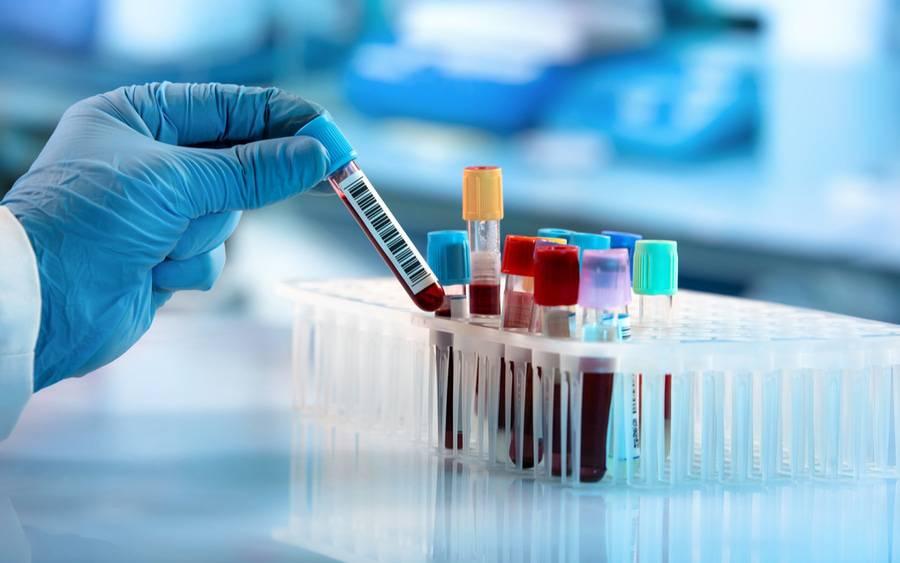
Many people, after doing medical tests, receive their results and immediately start looking at numbers and unfamiliar terms like (High – Low – Normal) without fully understanding what they actually mean.

When dealing with medical services, many people come across different titles for doctors such as “Specialist” and “Consultant”, which can sometimes create confusion about what each title actually means and how they differ from each other.

Choosing the right time to visit a doctor is not a random decision. It can directly affect how quickly a condition is diagnosed and how effective the treatment will be. Many people delay visiting a doctor or go at the wrong time, which may lead to worsening symptoms or delayed care.
