World’s First Lung Cancer Vaccine Enters Clinical Trials
Universities of London and Oxford have launched the first clinical trial for LungVax, a vaccine aimed at training the immune system to detect early lung cancer cells.

A research team from the Universities of London and Oxford has initiated the world’s first clinical trial for a lung cancer prevention vaccine, LungVax. The team received £2.06 million from Cancer Research UK to conduct the study over the next four years.
Clinical Trial Details:
The first phase aims to determine the optimal vaccine dose for individuals at risk of lung cancer, while monitoring potential side effects. The trial is expected to start in summer 2026 after regulatory approvals.
Professor Mariam Gamal Hanjani, responsible for the trial, stated: "Fewer than 10% of lung cancer patients survive ten years or more. This must change by targeting lung cancer at its earliest stages." She added that the trial will carefully study participants’ responses to the vaccine, ease of administration, and who may benefit most in the future.
How the Vaccine Works:
Lung cancer cells contain “red flag” proteins caused by DNA mutations, known as neoantigens or tumor-associated antigens, which appear in the very early stages of tumor formation.
LungVax delivers genetic instructions that train the immune system to recognize and eliminate these abnormal cells before they develop into cancer. The vaccine utilizes a technology developed by Oxford researchers during the COVID-19 pandemic.
Trial Participants:
-
Early-stage lung cancer patients whose tumors have been removed but remain at risk of recurrence.
-
Individuals undergoing lung cancer screening under England’s national program.
Approximately 48,500 new lung cancer cases are reported annually in the UK, with 72% linked to smoking, the leading preventable cause. While the vaccine will not replace quitting smoking, it may provide an effective preventive measure for certain types of cancer.

Regular health screening is one of the most important steps to maintain good health and detect diseases early. The essential medical checkups for every age help in preventing complications and ensuring a healthier life.
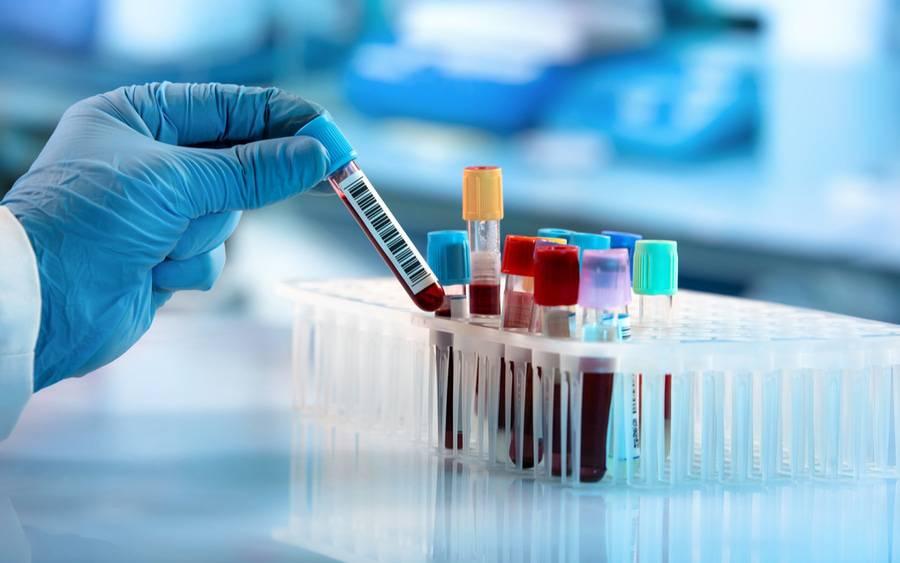
Many people, after doing medical tests, receive their results and immediately start looking at numbers and unfamiliar terms like (High – Low – Normal) without fully understanding what they actually mean.

When dealing with medical services, many people come across different titles for doctors such as “Specialist” and “Consultant”, which can sometimes create confusion about what each title actually means and how they differ from each other.

Choosing the right time to visit a doctor is not a random decision. It can directly affect how quickly a condition is diagnosed and how effective the treatment will be. Many people delay visiting a doctor or go at the wrong time, which may lead to worsening symptoms or delayed care.
