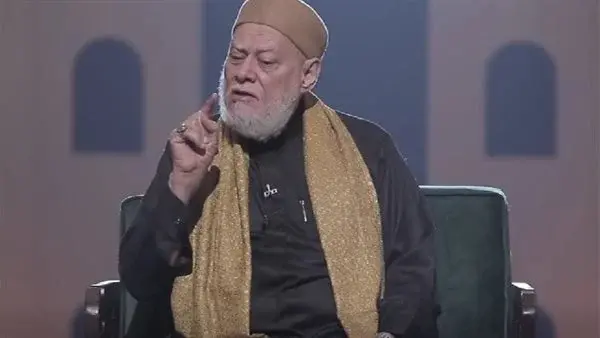
Engagement is an essential stage for assessing compatibility between two individuals before marriage. It allows both parties to understand each other’s character, habits, and values, helping them make a well-informed decision.
What Is the Purpose of Engagement?
Engagement is not a binding marriage contract, but rather a mutual understanding period to evaluate emotional, social, and moral compatibility before taking the final step toward marriage.
Sign 1: Financial Control or Interference
One of the most important warning signs is when a fiancé tries to interfere in financial matters or requests uncomfortable financial benefits, which may reflect a lack of respect for personal boundaries.
Sign 2: Controlling Behavior
Excessive control or constantly imposing opinions can be a red flag, indicating potential difficulties in communication and mutual understanding in the future.
Sign 3: Disregard for Personal Boundaries
Ignoring privacy or failing to respect financial and personal independence may indicate a lack of true compatibility, which could lead to serious issues after marriage.
What Is the Islamic Ruling on Ending an Engagement?
Ending an engagement is permissible in Islam if there is a valid reason or genuine lack of comfort, as engagement is a promise of marriage, not a binding contract.
Ruling on Gifts and Engagement Ring After Separation
The fiancé has the right to reclaim gifts and the engagement ring if they still exist and have not been consumed, as they are considered gifts unless voluntarily waived.
Is It Allowed to End Engagement Without a Reason?
It is generally advised that ending an engagement should be based on clear and justified reasons, with wisdom and consideration to avoid emotional harm or family disputes.
Conclusion
Engagement is a real test phase. Any signs of disrespect or incompatibility should be carefully evaluated before proceeding to marriage.
For more details and latest updates, follow Misr Connect