5 Prophetic Rights of the Road: Etiquette for Public Spaces in Islam
Discover the five rights of the road taught by the Prophet Muhammad ﷺ to ensure respect, safety, and ethical behavior in public spaces.

In Islam, daily behavior is guided not only by acts of worship but also by social ethics that extend to public spaces such as roads and gathering places.
The Prophet Muhammad ﷺ emphasized that roads have rights that must be respected to protect people and maintain public order.
First: Lowering the Gaze
One of the key rights is lowering the gaze, which preserves modesty and protects individuals from harm or intrusion.
Second: Preventing Harm
Muslims are instructed to avoid any action that may harm or inconvenience passersby, whether physical or verbal.
Third: Spreading Peace
Returning greetings and spreading peace helps build a friendly and respectful society in public spaces.
Fourth: Promoting Goodness
Encouraging positive behavior and reminding others of good values is part of responsible conduct in shared spaces.
Fifth: Preventing Wrongdoing
Standing against harmful behavior ensures the protection of society and maintains moral order in public areas.
Ruling on Sitting in Roads
Islam discourages sitting in public pathways unless necessary, and even then, strict guidelines must be followed to avoid harming others.
Respect for Public Property
Any act that obstructs or damages public roads is considered a violation of Islamic ethics and public rights.
Conclusion
The rights of the road reflect a comprehensive moral system that promotes respect, safety, and harmony within society.
For more details and the latest updates, follow Misr Connect
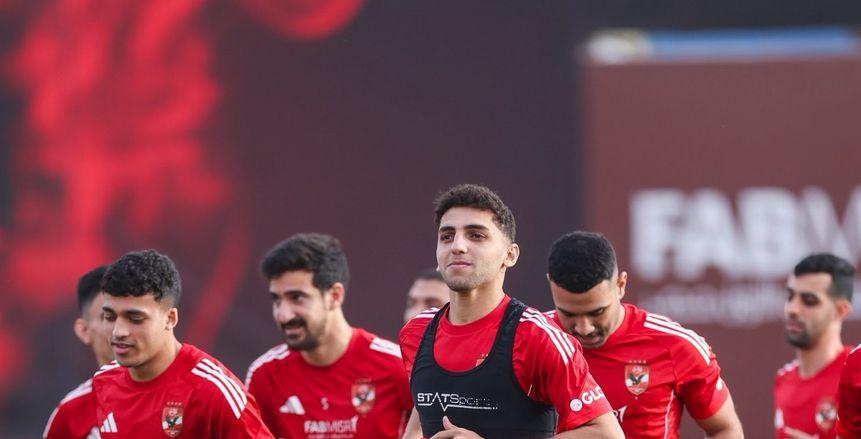
Al Ahly prepares for a crucial derby against Zamalek with expected lineup changes, including the return of El Shenawy and tactical adjustments.

Repentance from drug addiction is always possible, but it requires sincerity, remorse, and avoiding despair that may block divine forgiveness.
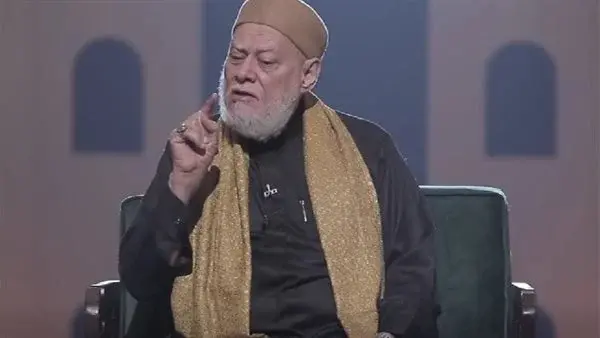
Cleanliness and personal appearance are not just habits but essential values in Islamic etiquette that reflect respect and اخلاق in social settings.
A deeper spiritual insight explains the difference between regular supplication and intimate prayer, revealing key principles that increase the chances of acceptance.
