A Prophetic Night Ritual That Brings Peace of Heart: Wudu Before Sleep and Night Supplications
Egypt’s Dar al-Ifta explained the virtue of performing ablution before sleep, highlighting it as a recommended Sunnah of Prophet Muhammad ﷺ along with essential night supplications that bring tranquility.

In a spiritual clarification that soothes the heart, Dar al-Ifta emphasized that performing ablution before sleep is a recommended Sunnah of Prophet Muhammad ﷺ, as it purifies the body and brings inner peace before resting.
Wudu Before Sleep: Purity and Calmness
The ruling is supported by the narration of Al-Bara’ ibn Azib (RA), where the Prophet ﷺ said:
“When you go to bed, perform ablution as you do for prayer, then lie on your right side,”
highlighting a prophetic practice that combines physical cleanliness and spiritual comfort.
The Night Supplication: Full Trust in Allah
One of the most powerful bedtime supplications is:
“O Allah, I submit my face to You and entrust my affairs to You…”
a prayer of complete surrender and trust in Allah, bringing reassurance to the heart.
Prophetic Sunnahs Before Sleep
Among the recommended practices before sleeping:
- Reciting Surah Al-Ikhlas and Al-Mu’awwidhat
- Saying Tasbeeh, Tahmeed, and Takbeer (33, 33, 34 times)
- Reciting Ayat Al-Kursi and the last two verses of Al-Baqarah
- Sleeping on the right side with the right hand under the cheek
Remembrance That Guards the Night
The Sunnah also includes the morning remembrance upon waking:
“Praise be to Allah who gave us life after causing us to die,”
showing that a believer’s day begins and ends with remembrance of Allah.
A Way of Life, Not Just Rituals
Dar al-Ifta stressed that these practices are not mere bedtime habits but a complete spiritual system that brings peace, protection, and a constant connection with Allah.
For more details and the latest updates, follow masr Connect
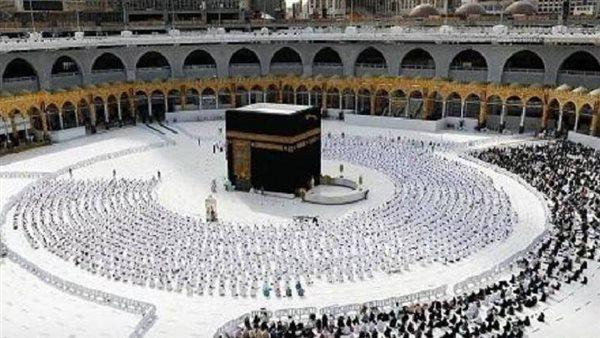
Pilgrims often ask about the correct timing and places for reciting Talbiyah, a key ritual that marks the beginning of Ihram and accompanies the Hajj journey.
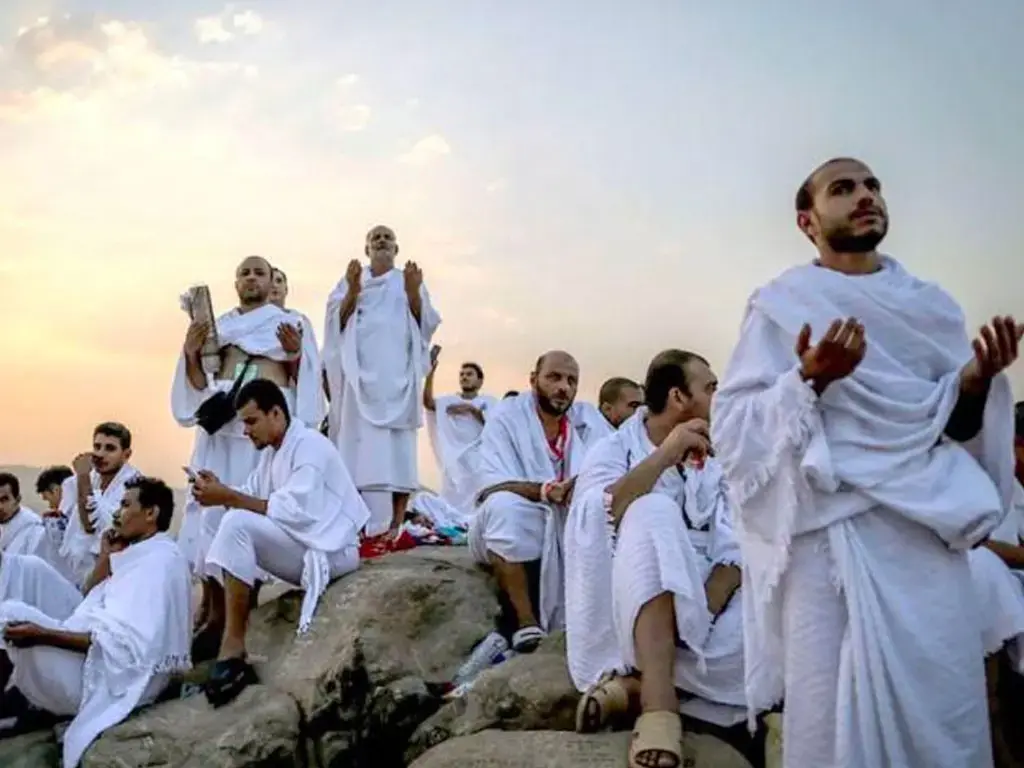
A common question arises about whether more than one person can perform Hajj on behalf of the same deceased individual in the same year, and what Islamic rulings say about it.
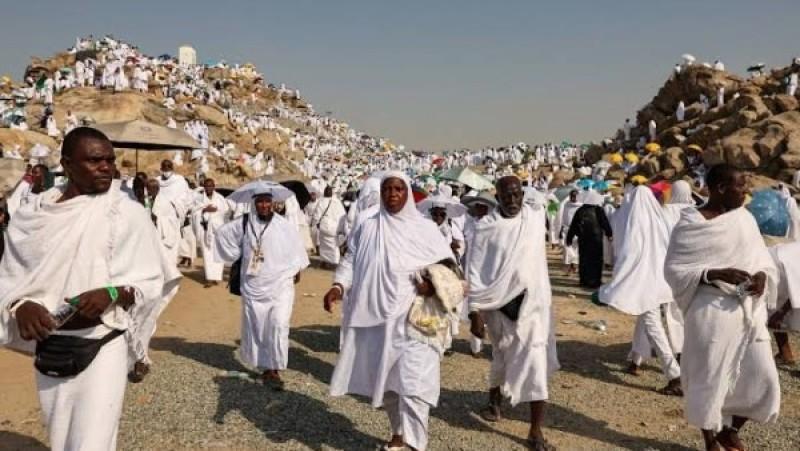
Many Muslims wonder whether Hajj must be performed as soon as they are able, or if it can be postponed, especially with differing scholarly opinions on the matter.
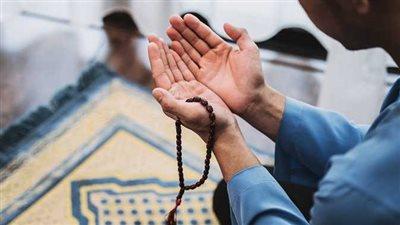
During difficult times, many turn to heartfelt prayers seeking relief and fulfillment of their needs, as الدعاء remains the closest path to hope and divine response.
