
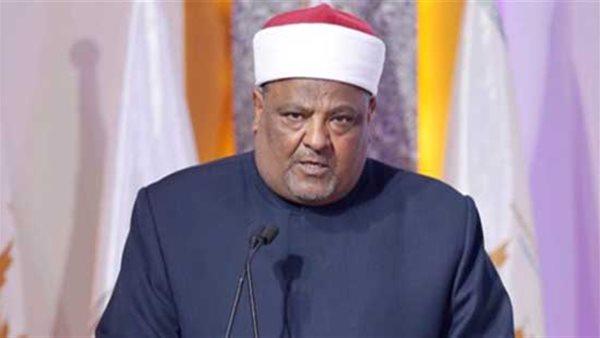

The Udhiyah is an established Islamic ritual
Abbas Shoman affirmed that the ritual of Udhiyah (sacrifice) is firmly established in Islam with certainty, citing the verse: “So pray to your Lord and sacrifice.”
He emphasized that clear religious texts must first be accepted with submission, and only then should their wisdom be contemplated.
Meaning of “So pray to your Lord and sacrifice”
He explained that this verse:
- Confirms the legitimacy of Udhiyah
- Highlights its great status in Islam
- Serves as direct Qur’anic evidence for the ritual
He also stressed that reason must operate within the boundaries of established revelation.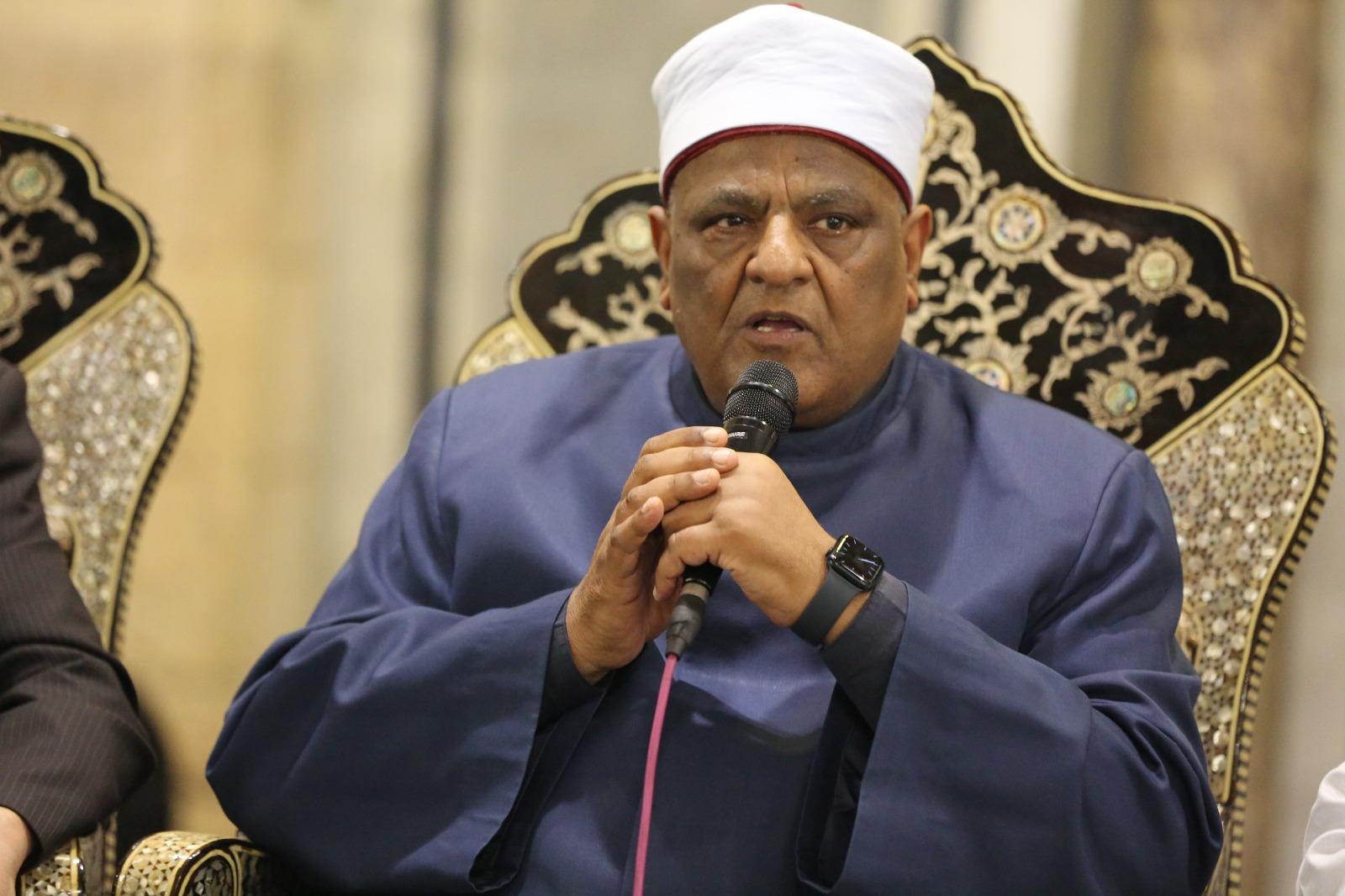
His stance on religious debates
In other remarks, he noted that:
- Denying core Islamic pillars is a serious error
- Matters like Hajj and the five daily prayers are established by consensus
- Such fundamentals are not open to dispute
Clarifying social misconceptions
He also addressed certain social concepts such as “house of obedience,” stating that:
- It has no clear basis in Islamic law
- It may harm the perception of marital relationships
- Marriage should be based on mercy and mutual consent
General approach
His views reflect a consistent approach that:
- Affirms core Islamic teachings
- Corrects social misunderstandings
- Balances textual evidence with real-life issues
FAQ
What does “So pray to your Lord and sacrifice” mean?
It is a Qur’anic verse confirming the legitimacy of Udhiyah.
Is Udhiyah an established practice in Islam?
Yes, it is established by the Qur’an, Sunnah, and scholarly consensus.
What is Abbas Shoman’s view on rituals?
He considers them definitive and not open to denial.
Should reason override religious texts?
No, reason should operate within the framework of established revelation.
What is his view on social concepts?
He believes some have no Islamic basis and should be corrected.




