With the conclusion of Ramadan and its heightened spiritual atmosphere, many people begin to reflect on whether their good deeds have been accepted. Acceptance is not declared by words, but rather reflected in a person’s behavior and consistency after the season of devotion ends.
One of the clearest signs is finding genuine inclination toward acts of worship, accompanied by inner peace when remembering God. This sense of tranquility often reflects a heart that has grown closer to faith. At the same time, a natural aversion to sin and wrongdoing is considered a meaningful indicator of spiritual acceptance.
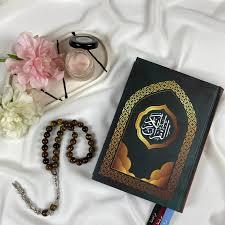
Another important sign is the continuation of good deeds beyond Ramadan. Maintaining prayers, reading the Qur’an, giving charity, and other acts of worship suggests that the spiritual gains of Ramadan have translated into lasting habits rather than temporary efforts.
The impact of worship on character is also significant. A person whose deeds are accepted often shows improved behavior, greater patience, better treatment of others, and a noticeable avoidance of negative speech and actions. This transformation reflects the influence of worship on daily life.
Additionally, one may find themselves guided toward further good deeds, as one act of goodness leads to another. Persistence in righteousness often opens new doors for continued spiritual growth, while reverting to negative habits may indicate a weakening of that effect.
Another key sign is developing a sincere love for acts of obedience, where worship feels natural and comforting rather than forced, along with a genuine dislike for sin and a desire to avoid it.
Taken together, these signs do not guarantee acceptance, but they serve as reassuring indicators of the impact of worship on both heart and behavior, encouraging continued devotion and commitment beyond Ramadan.