

In an age where technology reshapes imagination and reality alike, a profound question emerges: is it permissible to use artificial intelligence to depict the Divine?
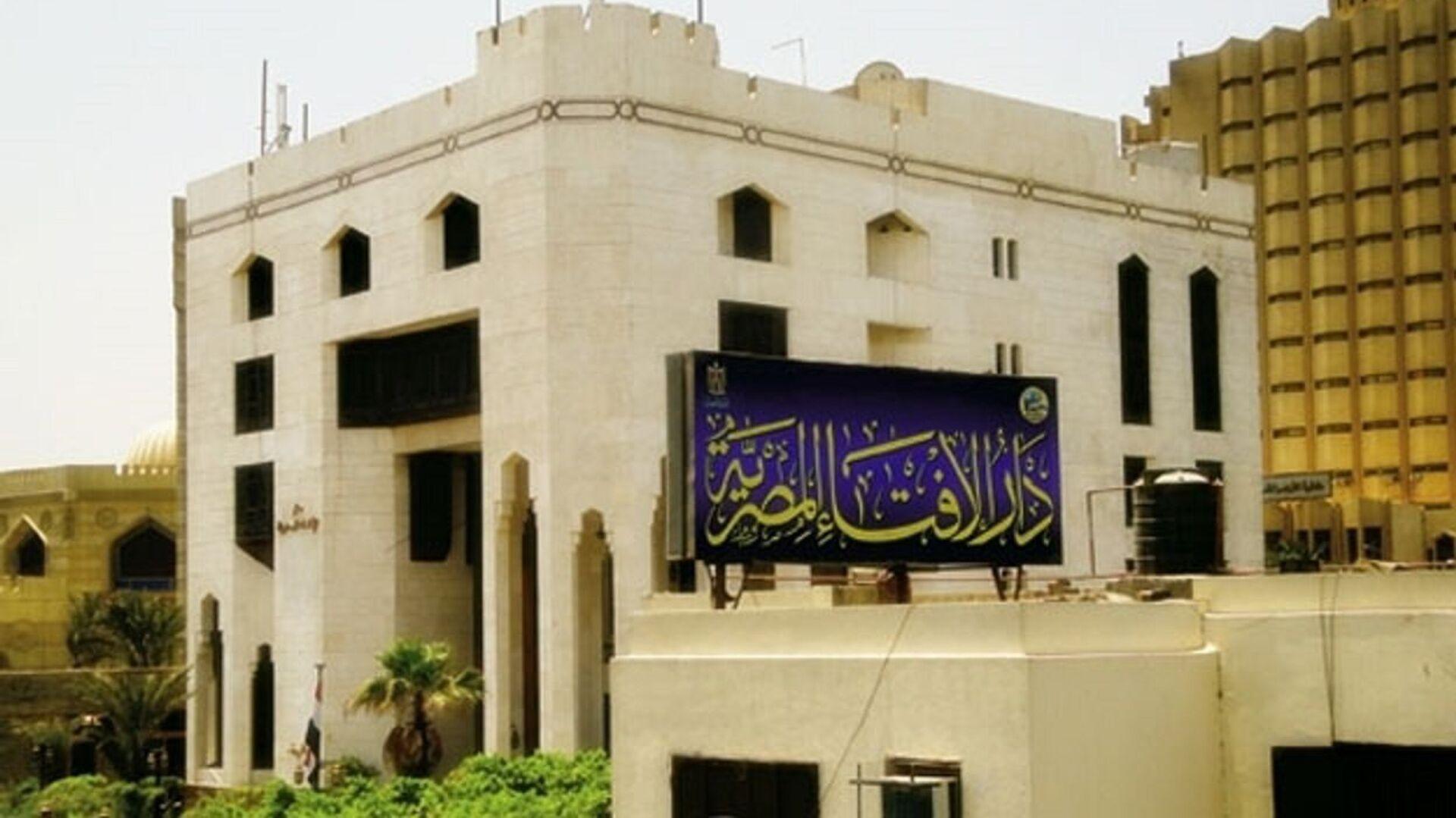
According to Dar Al Ifta Egypt, the answer is clear and definitive. As part of its awareness campaign aimed at correcting misconceptions, the institution emphasized that generating or designing images representing the Divine using AI is strictly prohibited.
The ruling is rooted in a fundamental principle of Islamic belief: the Divine essence is beyond any form of representation, imagination, or depiction. Human perception cannot encompass or visualize it in any form.
The Quran clearly states:
“There is nothing like unto Him, and He is the All-Hearing, the All-Seeing.”
The fatwa further explains that any means leading to such depiction takes the same ruling, based on the legal maxim: “Whatever leads to what is forbidden is itself forbidden,” regardless of whether the method is modern, such as AI technologies.
Muslims are therefore advised to avoid attempting to visualize or imagine the Divine essence, as this may lead to unintended theological errors or anthropomorphism.
Instead, the focus should be directed toward reflecting on the signs of God in creation and the universe, which strengthens faith and deepens spiritual awareness without overstepping the boundaries set by belief.
In this balance between technological advancement and spiritual integrity lies the path to preserving both knowledge and faith.
For more details and latest updates, follow Masr Connect




