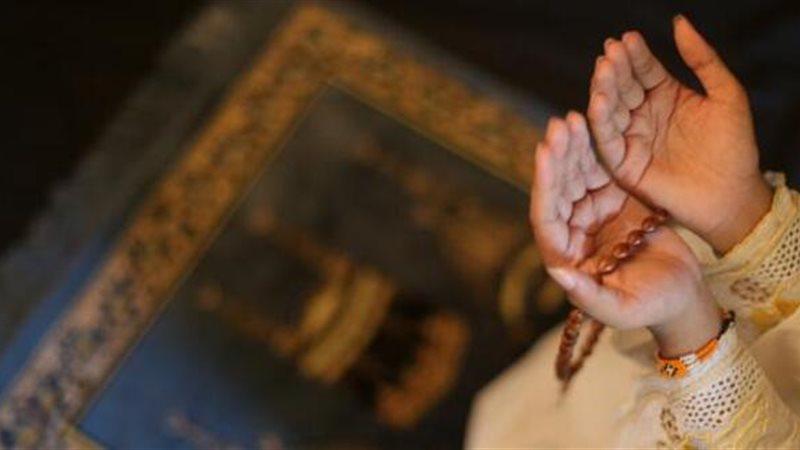

The Al-Azhar Fatwa Center was asked about the ruling on Duha prayer for those engaged in hard work. The Center clarified that Duha is a confirmed Sunnah, and it is permissible to skip it for those who face difficulty due to labor or other reasons, without any sin, while those who perform it are rewarded.
Making up missed Duha prayer:
Dr. Ahmed El-Awady, Fatwa official, explained that if Duha is missed due to busyness or forgetfulness, it may be made up later. He cited the hadith of Abu Huraira, in which the Prophet ﷺ recommended three practices: Duha prayer, fasting three days each month, and Witr before sleep.
Duha prayer timing:
Begins about one-third of an hour after sunrise.
Ends ten minutes before the Dhuhr call to prayer, and is invalid after this time.
Recommended Surahs to recite in Duha:
Ash-Shams, Ad-Duha, Al-Kafirun, Al-Ikhlas.
Some Shafi’i scholars recommend reciting Al-Ikhlas and Al-Kafirun in every two rak’ahs, as Al-Ikhlas equals one-third of the Qur’an, highlighting its great virtue.
Duha prayer is a highly valued Sunnah, and Allah swore by it in Surah Ad-Duha, underscoring its significance and the reward for regular observance.