Ali Gomaa: We Are a Nation of Knowledge… No Conflict Between Faith and Knowledge
Dr. Ali Gomaa emphasized that Islam strongly encourages knowledge, highlighting that there is no contradiction between faith and learning, but rather a complementary relationship between the two.
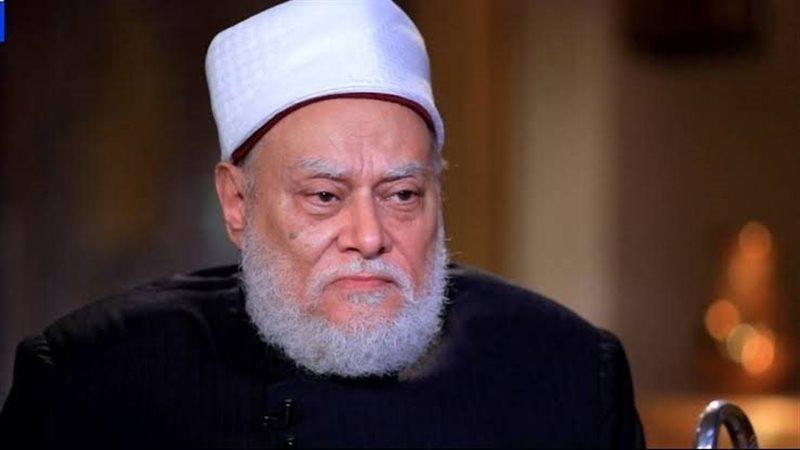

Dr. Ali Gomaa, member of Al-Azhar’s Council of Senior Scholars, affirmed that the Islamic nation is inherently a nation of knowledge that values learning and rejects ignorance. He cited the Prophet Muhammad’s saying (PBUH): “Whoever travels a path seeking knowledge, Allah will make his path to Paradise easy,” as well as the Quranic verse: {Say, are those who know equal to those who do not know?}
He explained that the Quranic statement is general and not limited to a specific field of knowledge, indicating that all forms of beneficial knowledge that remove ignorance are included, whether religious or worldly.
He pointed out that there is no contradiction between faith and knowledge; rather, they are complementary. Knowledge leads to faith, and faith encourages the pursuit of knowledge, creating a balanced and holistic development of the individual.
He also discussed the relationship between teacher and student, emphasizing that it should be based on mutual respect, where the teacher imparts knowledge and the student seeks it with humility and sincerity.
He quoted Imam Ali ibn Abi Talib (may Allah be pleased with him): “Whoever teaches me a letter, I become his servant,” clarifying that this reflects respect and appreciation rather than literal servitude.
He stressed that the relationship between teacher and student should be grounded in respectful dialogue and constructive discussion aimed at seeking truth, not arrogance or improper debate, noting that some modern behaviors have deviated from these values.
He concluded that moral and spiritual values rooted in faith are essential to maintaining balance in human relationships and restoring mutual respect between teacher and learner, reflecting the essence of Islamic civilization built on both knowledge and ethics.

Many seek powerful supplications for quick marriage, asking Allah for a righteous spouse, protection, and ease, along with Quranic prayers that open doors of relief.
In times of hardship and distress, Muslims turn to powerful supplications seeking relief, peace, and divine comfort that removes sorrow and anxiety.

Many expectant mothers turn to supplications for fetal protection, seeking safety, perfect creation, and peace of mind alongside medical care.

In times of fear and concern for children, many parents turn to the dua of entrusting their children to Allah, seeking divine protection and endless care.
