Fatwa Explains: Can a Wife Refuse Intimacy Because Her Husband Neglects Prayer?
The Egyptian Fatwa House clarifies that a wife may not withhold herself from her husband for neglecting prayer; instead, she should encourage him with kindness and gentle advice.


Dr. Ahmed Abdel Azim, Fatwa Secretary at the Egyptian Dar al-Ifta, answered a question from a woman: “My husband does not pray, and I told him if he does not pray I will not be close to him or allow him to touch me. Is this allowed?”
He explained that this action is not permissible according to Islamic law. A wife is not entitled to withhold herself from her husband due to his negligence in prayer, as marital relations should not be governed by punishment or denial, but through wisdom and good counsel.
Dr. Abdel Azim noted that neglecting prayer is a major sin requiring repentance, yet this does not justify the wife cutting off intimacy, as this could worsen marital problems and threaten the stability of the family, which is not approved by Sharia.
He emphasized that encouraging the husband to pray should be done kindly and gently, citing Allah’s words: “Invite to the way of your Lord with wisdom and good instruction” [Quran 16:125], stressing that the goal is reform and guidance, not punishment or estrangement.
The Fatwa advises the wife to pray for her husband’s guidance and use means that help him maintain prayer without causing discord, as Islam aims for families to be based on love and mercy, not denial and threats.
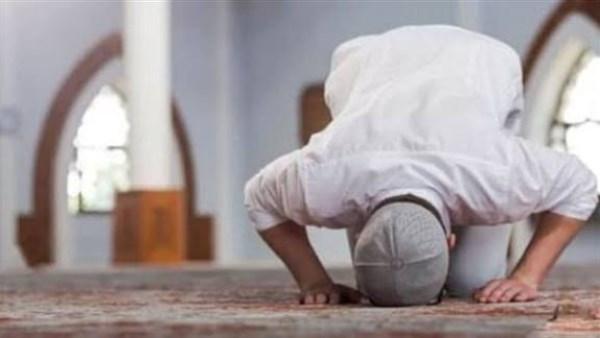
Learn the supplications recited during Salah, including Dua Al-Istiftah, prayers for bowing and prostration, between the two prostrations, and before salam.
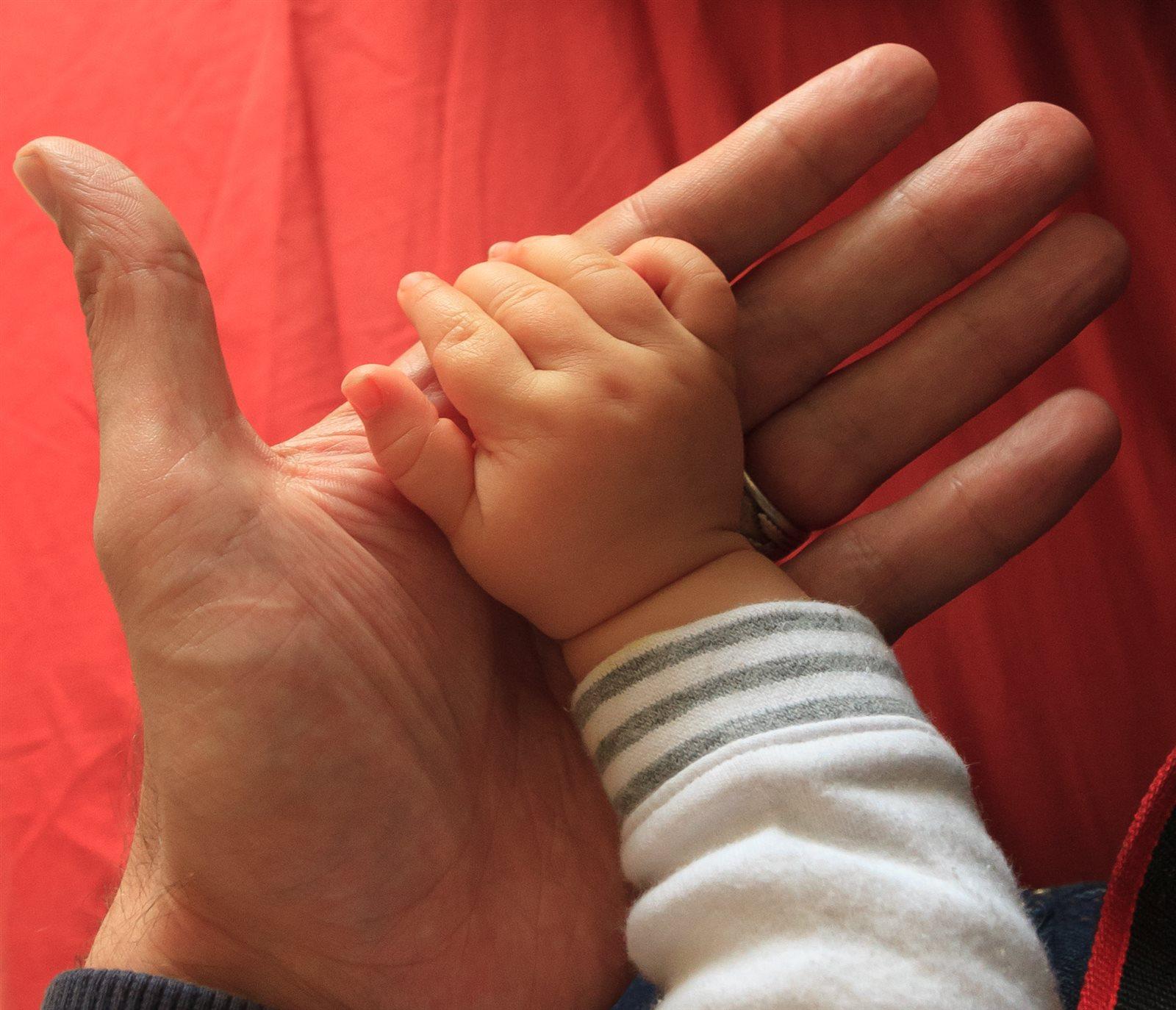
Discover comprehensive Islamic duas for protecting children, seeking their health, safety, righteousness and guidance, with supplications parents can recite for their children.

Egypt’s inistry of Awqaf will open 19 mosques on Friday, August 21, 2026, as part of its nationwide plan to build, renovate, maintain and develop mosques.

Sheikh Mohamed Kamal explains the Islamic view of loving and honoring the Prophet, highlighting his elevated status in the Quran and the importance of reverence for him.
