Prophetic Hijrah Planning: Dr. Ali Fakhr on Causes and Trust in Allah
Al-Azhar Fatwa official highlights how the Prophet’s Hijrah reflects planning, responsibility, and balancing trust in Allah with taking practical means.
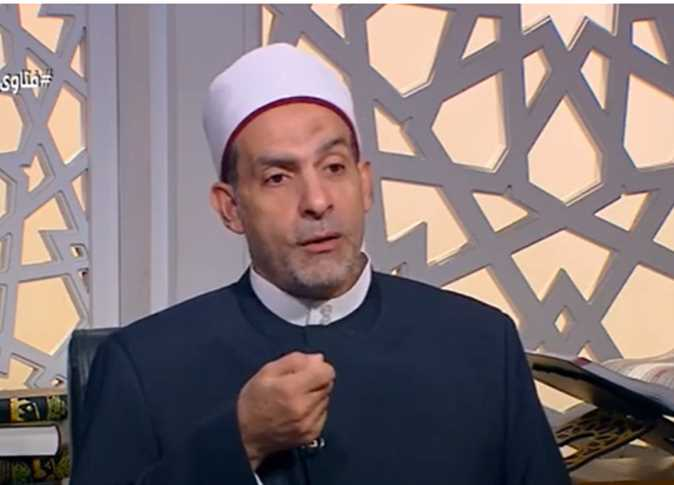

Dr. Ali Fakhr, Secretary of Fatwa at Egypt’s Dar al-Ifta, emphasized that the Prophet Muhammad’s ﷺ migration (Hijrah) was not merely a historical event, but a comprehensive model combining reliance on Allah with taking practical means, offering a lasting lesson in crisis management and nation-building.
Hijrah Between Miracle and Human Planning
He explained that although Allah could have transported the Prophet ﷺ miraculously—as happened in the Isra and Mi’raj—the Hijrah was carried out through organized human planning, teaching that:
- Trust in Allah does not replace action
- Taking means is part of faith
Key Aspects of Planning in the Hijrah
Waiting for Divine Permission
The Prophet ﷺ did not migrate until Allah gave permission, despite some companions already leaving, highlighting:
- Discipline
- Avoiding haste
- Careful decision-making
Precise Organization of Tasks
The Hijrah involved careful planning, including:
- Assigning Ali ibn Abi Talib to return trusts
- Hiring a skilled guide who was not Muslim
- Choosing the timing of departure wisely
Role Distribution in the Hijrah
A Complete System of Cooperation
The migration reflected a well-structured team effort:
- Asma bint Abi Bakr provided food supplies
- Abdullah ibn Abi Bakr relayed information
- Amir ibn Fuhayrah erased tracks
Strategic Thinking in the Journey
Cave of Thawr and Alternative Route
The Prophet’s ﷺ choice of hiding in the Cave of Thawr and taking an unusual route demonstrates:
- Strategic thinking
- Risk avoidance
- Intelligent crisis management
True Trust vs. Passive Reliance
He emphasized that the Hijrah clearly distinguishes between:
- True reliance on Allah with action
- Passive reliance without effort
Citing the Qur’anic verse:
“And rely upon Allah, and sufficient is Allah as Disposer of affairs.”
What is the main lesson of the Hijrah?
Combining trust in Allah with taking practical means.
Was the Hijrah purely a miracle?
No, it was a planned human effort under divine guidance.
Why was an alternative route used?
To avoid danger and ensure strategic safety.
How were roles distributed during the Hijrah?
Each person had a specific mission such as delivering supplies, gathering news, or covering tracks.

Discover the strongest dua for protecting children from harm, the evil eye, and envy, along with authentic supplications from the Sunnah.

Read the complete story of Prophet Lot (Lut), why his people were destroyed, how Allah saved His prophet, and the lessons Muslims can learn from this Quranic story.
Egypt's Grand Mufti Dr. Nazir Ayyad clarified the Islamic ruling on a wife's inheritance when her husband dies before consummation of the marriage.

Discover the best dua for sustenance and fulfilling needs after Fajr prayer, including authentic supplications for lawful provision, debt relief, and easing difficulties.
