Amr El-Wardani: Smart Consumption Is Freedom, Not Stinginess
Discover Amr El-Wardani’s perspective on smart consumption and how moderation leads to freedom from material dependence and deeper life meaning.


Amr El-Wardani: Smart Consumption Is Freedom, Not Stinginess
A Human Perspective Beyond Economics
Amr El-Wardani emphasized that consumption today is not merely an economic issue, but a deeply human and behavioral one. He explained that the real question people should ask themselves is: do we buy what we truly need, or are we consuming to silence an inner emptiness?
He noted that consumption often becomes a way to escape internal feelings such as anxiety or a sense of lack, leading people to spend without awareness.
Consumption and Meaning: A Deeper Connection
Real Hunger Is Not Just Material
Amr El-Wardani explained that:
- Resources may differ among individuals, but meaning remains central
- True excess may lie in meaning before quantity
- People often desire things for what they represent emotionally
He added that much consumer behavior reflects an inner hunger that material things cannot satisfy, citing the Prophet’s saying: “The son of Adam is not satisfied except with dust.”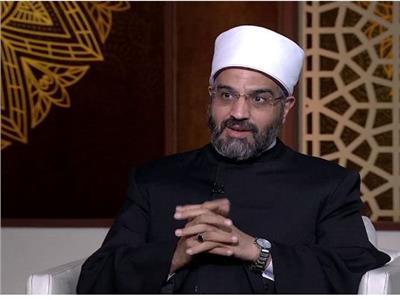
Smart Consumption: Liberation, Not Restriction
Not a Call for Stinginess
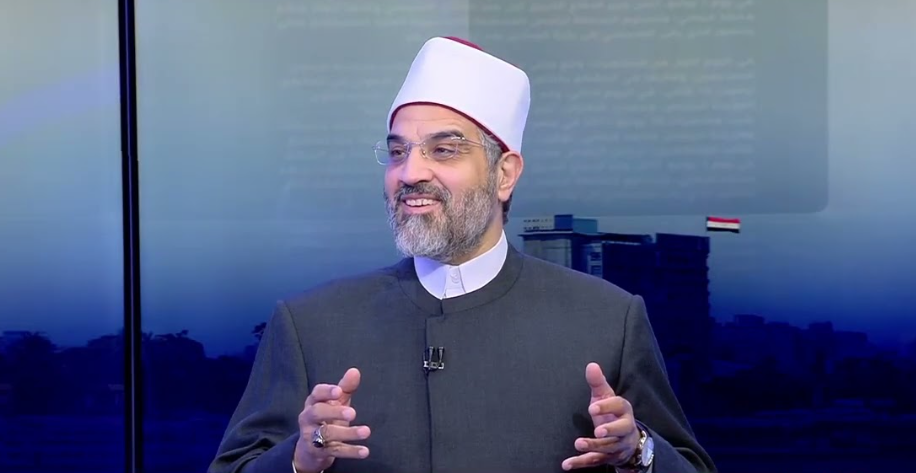
Amr El-Wardani clarified that rationalizing consumption does not mean deprivation. Instead, it is:
- Freedom from attachment to material things
- Regaining control over desires
- Reordering life priorities
He referenced the Prophet’s saying: “Wretched is the slave of the dinar and dirham,” highlighting that the issue is not wealth itself, but becoming controlled by it.
Islam’s Balance in Dealing with Blessings
Moderation Between Enjoyment and Excess
He pointed to the Qur’anic guidance:
“Eat and drink, but do not be excessive.”
This reflects that:
- Enjoying blessings is permitted
- Beauty and adornment are part of life
- But without excess or imbalance
Religion Does Not Oppose Joy—It Regulates It
True Joy Lies in Meaning
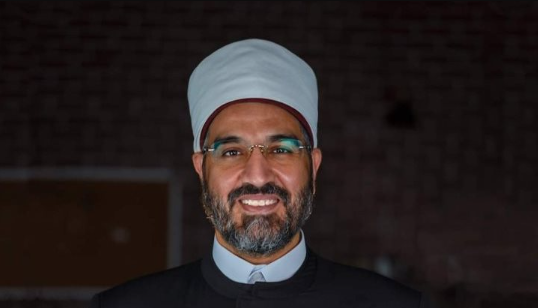
Amr El-Wardani stressed that religion does not forbid joy, but rather refines it. He explained that:
- Joy is not in quantity, but in value
- Ownership does not equal happiness
- Meaning gives joy its true depth
He cited the verse:
The Risks of Unconscious Consumption
When Life Becomes an Endless Cycle
He warned that unmindful consumption may lead to:
- Obsession with appearances
- Constant dissatisfaction
- Loss of true contentment
As a result, life may turn into a cycle of accumulation without fulfillment.
How to Achieve Balance in Consumption
Practical Steps Toward Awareness
- Ask yourself before buying: do I really need this?
- Base decisions on values, not appearances
- Remember that moderation is not deprivation
- Give meaning priority over material things
FAQ
Does smart consumption mean being stingy?
No, it means using resources wisely without excess.
What is meant by “inner hunger” in consumption?
It refers to emotional needs that drive unnecessary spending.
Does religion forbid enjoying life?
No, it encourages enjoyment with moderation.
How can I distinguish between need and desire?
A need is essential, while a desire is often emotional or external.
What are the risks of excessive consumption?
Lack of satisfaction, attachment to appearances, and loss of meaning.

Discover the best supplications from the Sunnah to relieve worry and sadness, and powerful duas that bring comfort, inner peace, and relief from distress.
Learn the rulings on doubt during Tawaf, how to perform Hajj rituals and their types, and the permissibility of fasting some days of Dhul-Hijjah.

Learn the meaning of Hajj Mabroor, its signs of acceptance, and the three types of Hajj—Ifraad, Qiraan, and Tamattu—explained by Islamic scholars.
Discover the best supplications for the last third of the night for sustenance, blessing, and relief, along with powerful prayers for answered needs and increased provision.
