Between Laughter and Limits: Rules of Humor in Islam as Explained by Dar Al-Ifta Al-Masriyyah
Dar Al-Ifta Al-Masriyyah clarifies the Islamic guidelines for humor, emphasizing that it is permissible when it remains truthful, respectful, and free from harm or religious violations.


In a world where entertainment blends with daily life, humor remains a natural human behavior. However, within Islamic teachings, it is not unrestricted; rather, it is governed by ethical principles that preserve dignity and prevent harm.
Humor in Islam: light-heartedness without harm
Dar Al-Ifta Al-Masriyyah affirms that humor is a lawful means of bringing joy and easing life’s pressures. The Prophet Muhammad ﷺ practiced light humor with his family, companions, and children, reflecting a humane and compassionate approach.
Yet, this permissibility is not absolute; it remains bound by clear moral limits that protect people from harm and preserve mutual respect.
First rule: truthfulness without lying
According to Dar Al-Ifta Al-Masriyyah, humor must never involve lying or fabricating stories for entertainment, as lying is prohibited and becomes even more serious when used to make others laugh.
Second: no intimidation or fear
Humor must not include frightening or disturbing others, even in jest, as Islam prohibits causing fear to fellow human beings under any pretext.
Third: moderation and balance
Excessive joking is discouraged, as it may harden the heart and reduce dignity. Balance is essential so that humor remains meaningful and respectful.
Fourth: avoiding offensive language
Islamic teachings stress that humor should not include vulgar, harsh, or inappropriate speech, as a believer is known for good character both in seriousness and in lightheartedness.
Fifth: respecting others’ dignity
Humor must not cross into mockery, gossip, or name-calling, as such behavior harms relationships and violates Islamic ethics.
A balanced message
Dar Al-Ifta Al-Masriyyah concludes that humor in Islam is a space for joy, but only when guided by morality. It is beautiful when disciplined—and harmful when it exceeds its limits.
For more details and latest updates, follow Masr Connect
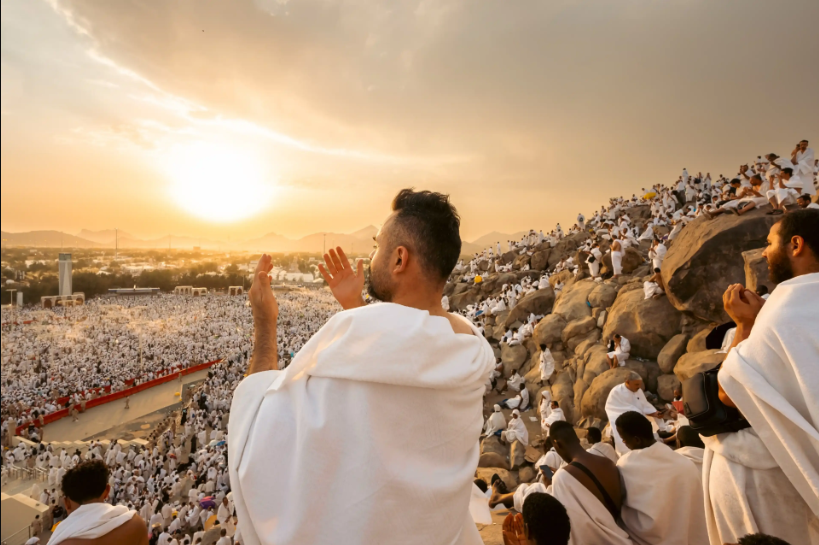
Learn the best deeds on the Day of Arafah for pilgrims and non-pilgrims, including fasting, prayers, and powerful forgiveness duas on this blessed day
Learn the so-called “miracle prayer for children” and beautiful supplications for protecting kids, guiding them, and asking Allah for safety, righteousness, and blessings.
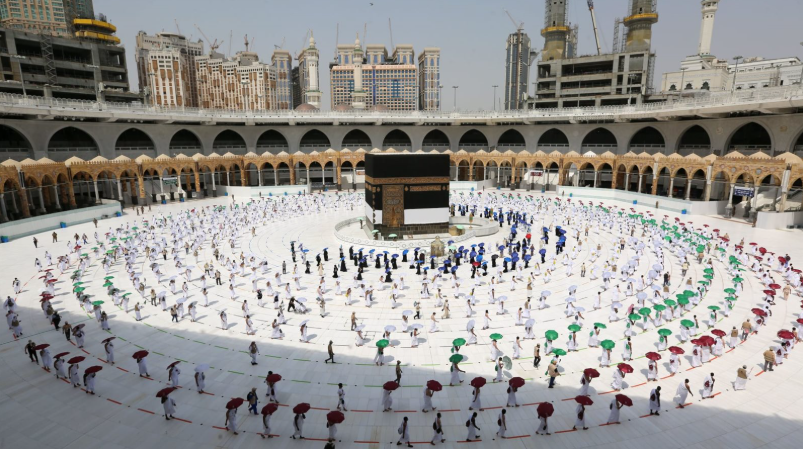
Learn the ruling on interrupting Tawaf for obligatory prayer and how to resume it afterward according to Dar Al-Ifta Egypt and Islamic jurisprudence.
A collection of authentic supplications for relief from distress, easing sadness, and calming the heart, along with spiritual tips for inner peace.
