Can a Woman Show Her Hair in Front of Her Sister’s Husband? Egypt’s Dar Al-Ifta Explains the Islamic Ruling

Egypt’s Dar Al-Ifta clarified the ruling on whether a woman can uncover her hair in front of her sister’s husband, confirming that he is not considered a mahram (permanently unmarriageable relative) and that Islamic hijab rules apply.

  Tue , July 14 2026 / 02:05 PM Updated At: 2026-07-14 14:05:08

Many people ask: Can a woman show her hair in front of her sister’s husband? This question arises because some believe that a sister’s husband has the same status as a brother, but Islamic law has clearly defined the relationships between men and women and specified who are considered mahrams.

Egypt’s Dar Al-Ifta confirmed that a sister’s husband is not a mahram for the woman. Therefore, she cannot uncover her hair or display her adornment in front of him, as he is treated as a non-mahram man regarding hijab rules.

Is a Sister’s Husband Considered a Mahram?

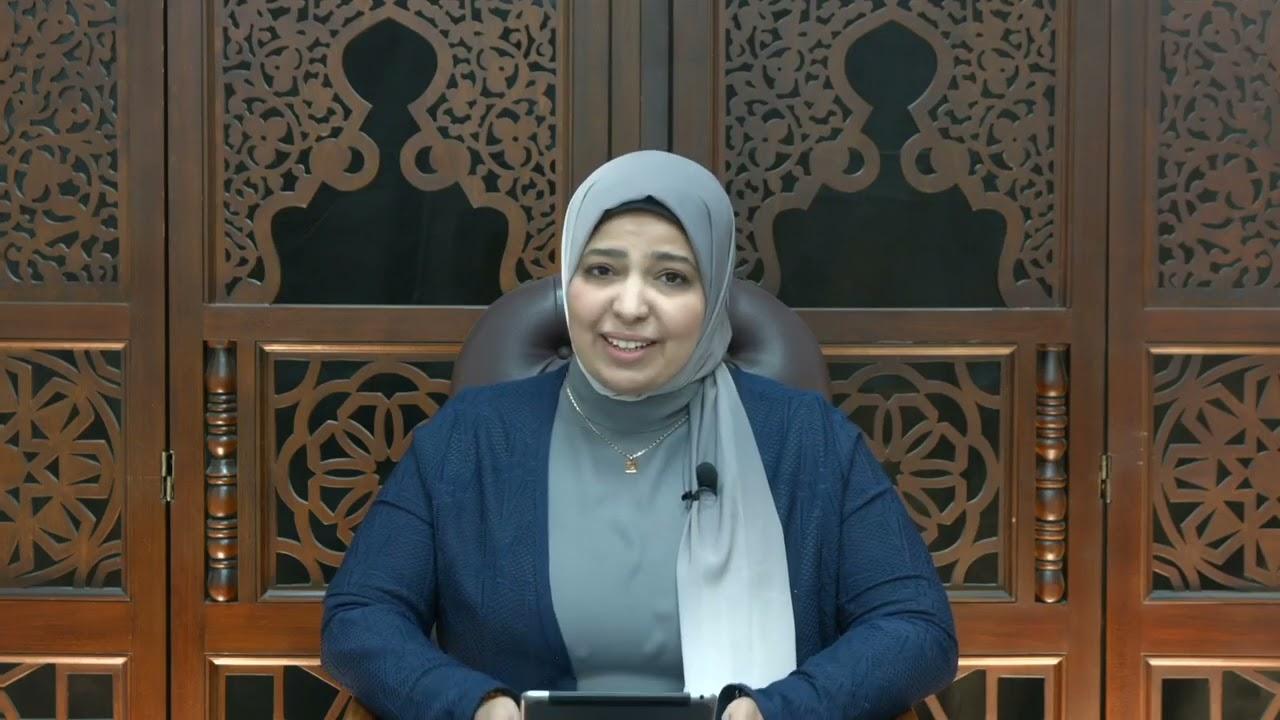
Hind Hammam, a Fatwa Secretary at Egypt’s Dar Al-Ifta, explained that a sister’s husband is not among a woman’s mahrams.

She clarified that a mahram is a man whom a woman is permanently forbidden from marrying due to blood relationship, breastfeeding, or permanent marital relations.

A sister’s husband is only temporarily forbidden for marriage, meaning this ruling applies as long as he remains married to her sister. Therefore, he does not have the status of a mahram.

The woman must observe hijab in front of her sister’s husband and should not reveal her hair or adornment because he is considered a non-mahram.

Who Are a Woman’s Mahram Relatives?

Mahram relatives include men whom a woman can never marry permanently, such as:

  • Father and grandfather.
  • Son and grandson.
  • Brother.
  • Uncle (father’s brother) and maternal uncle.
  • Sons of sons and daughters.
  • Father and brother through breastfeeding.
  • Stepsons after the conditions mentioned in Islamic law are fulfilled.

A woman may appear before her mahrams without the same hijab requirements as with non-mahrams, while still maintaining modesty and proper manners.

Ruling on Showing Hair in Front of Mahram Relatives

Dar Al-Ifta explained that a woman may uncover her hair in front of her mahrams, such as her father, brother, uncle, or maternal uncle.

However, this does not mean that all parts of the body can be exposed, as Islamic teachings still encourage modesty and proper covering.

Ruling on Showing Hair in Front of Non-Mahram Men

A woman is not permitted to uncover her hair in front of non-mahram men because hair is considered part of a woman’s adornment that should be covered before those who are not her mahrams.

Allah Almighty says:

“And let them not reveal their adornment except to their husbands, their fathers, their husbands’ fathers...”
(Surah An-Nur: 31)

The verse clarifies the categories of people before whom a woman may display her adornment.

Why Is a Sister’s Husband Not Considered a Mahram?

Islamic rulings distinguish between permanent and temporary prohibitions. A sister’s husband may become unrelated to the woman if the marriage ends through divorce or death.

Therefore, he is not included among permanent mahrams, unlike a father, brother, or maternal uncle.

Ruling on Removing Hijab in Front of Non-Mahram Men

Scholars have explained that a Muslim woman should not remove her hijab in front of non-mahram men, whether inside or outside the home.

Hijab in Islamic law means covering a woman’s beauty and body in front of those who are not permitted to see it.

Can a Woman Show Her Face and Hands in Front of Non-Mahrams?

Scholars have different opinions regarding the face and hands. Many scholars consider them not part of the awrah that must be covered in all situations, while others require covering them when there is fear of temptation.

However, scholars agree on the importance of modesty, lowering the gaze, and maintaining proper interaction between men and women.

Difference Between Mahram and Non-Mahram

Mahram:

  • Marriage between them is permanently forbidden.
  • Examples include father, brother, uncle, and maternal uncle.

Non-Mahram:

  • Marriage is possible in principle.
  • Hijab rules apply in front of them.
  • Examples include sister’s husband, husband’s brother, and cousin.

Conclusion

A sister’s husband is not considered a mahram, so a woman should not uncover her hair or show her adornment in front of him. Islamic teachings established these guidelines to protect family relationships, preserve modesty, and maintain proper boundaries.

Can a woman show her hair in front of her sister’s husband?

No. A sister’s husband is not a mahram, so the woman must observe hijab in front of him.

Is a sister’s husband like a brother?

No. A brother is a mahram through blood relation, while a sister’s husband is considered a non-mahram.

Who can a woman show her hair in front of?

She may show her hair in front of her mahram relatives, such as her father, son, brother, uncle, and certain relatives through breastfeeding.

Can a woman remove hijab in front of her husband’s relatives?

No. Relatives such as her husband’s brother or cousin are not mahrams.

Why is a sister’s husband not a mahram?

Because the prohibition between them is temporary, not permanent, and the marriage relationship with the sister may end.

Aug 02
ادعية لحماية الاولاد

Learn about the best ways to protect children from harm through Islamic spiritual protection, Prophetic supplications, and daily remembrances that help provide protection by the permission of Allah.

Aug 02
صلاة الاستخارة

Learn how to perform Salat al-Istikhara, its authentic supplication, and the Islamic ruling on interpreting dreams related to important life decisions.
Aug 02
زينب السعيد

Learn about the Islamic ruling on women praying in a country without a mosque, whether praying at home is sufficient, and whether women can establish congregational prayer at home.

Aug 02
دعاء

Learn about the concept of an answered dua, the reasons behind accepting supplications, and powerful prayers from the Quran and Sunnah for relief, رزق, and fulfilling needs.
