Can You Fast the Six Days of Shawwal at the End of the Month? Religious Ruling Explained
A clear explanation from Dar Al-Ifta on whether the six days of Shawwal must be fasted immediately after Eid or can be delayed until the end of the month.

Many Muslims are keen to observe the six days of Shawwal due to their great reward, but a common question remains: must they be fasted right after Eid or can they be delayed?
Ruling on Fasting Six Days of Shawwal
Dar Al-Ifta confirms that fasting these six days is flexible and can be done at any time during the month—early, middle, or late—without restriction.
Is Consecutive Fasting Required?
It is not required to fast them consecutively. They may be observed separately or consecutively depending on one’s ability, although fasting them soon after Eid is preferred.
Delaying Them Until the End of the Month
Delaying the fast until the end of Shawwal is permissible and does not reduce the reward, as long as the six days are completed within the month.
Flexibility for Different Circumstances
This ruling provides ease for Muslims who may be busy or face difficulty, allowing them to perform the act of worship without hardship.
Virtue of Fasting Six Days of Shawwal
The Prophet ﷺ stated that whoever fasts Ramadan and follows it with six days of Shawwal will be rewarded as if fasting the entire year.
How the Reward Equals a Full Year
Scholars explain that each good deed is multiplied by ten, making Ramadan equal to ten months and the six days equal to two months.
Scholarly Consensus
Many scholars consider this fast highly recommended and a means of compensating for any shortcomings in obligatory fasting.
Conclusion
For more details and latest updates, follow Misr Connect

Al Ahly prepares for a crucial derby against Zamalek with expected lineup changes, including the return of El Shenawy and tactical adjustments.

Repentance from drug addiction is always possible, but it requires sincerity, remorse, and avoiding despair that may block divine forgiveness.
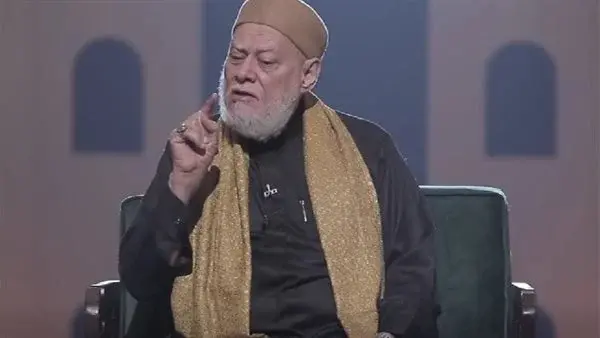
Cleanliness and personal appearance are not just habits but essential values in Islamic etiquette that reflect respect and اخلاق in social settings.

A deeper spiritual insight explains the difference between regular supplication and intimate prayer, revealing key principles that increase the chances of acceptance.
