Cash or Food for Zakat al-Fitr? Scholars Clarify the Ongoing Debate
As Eid approaches, many Muslims ask whether Zakat al-Fitr can be paid in cash instead of food. Scholars explain the reasoning behind different opinions and the purpose of the obligation.
As the end of Ramadan approaches, questions often arise about the correct way to give Zakat al-Fitr. One of the most common questions is why the charity was historically given in food rather than money, even though currency existed at that time.
Scholarly discussions explain that prophetic traditions described the types of food commonly given as Zakat al-Fitr, such as wheat, barley, or dates. However, these descriptions were largely connected to the staple foods of the society at that time.
Many scholars emphasize that the core purpose of Zakat al-Fitr is to support those in need and ensure that the poor can share in the joy of Eid. Because of this objective, some jurists have permitted giving the equivalent value in cash when it better serves the needs of the poor.
Other scholars prefer maintaining the traditional practice of giving food, following historical narrations that mention specific types of staple items. This diversity of opinions reflects the flexibility within Islamic jurisprudence and the effort to fulfill the charitable objective in different contexts.
Meanwhile, mosques during the final nights of Ramadan continue to witness large gatherings of worshippers who dedicate these nights to prayer, remembrance, and recitation of the Quran, hoping to gain spiritual rewards and forgiveness.
Religious scholars also emphasize that peace and security are among the greatest blessings for any society. They note that stability allows communities to grow, develop, and maintain harmony among people.
Islamic teachings place strong importance on protecting life, property, and dignity, principles that contribute to building a balanced and secure society.
For more details and the latest news, follow Misr Connect.

Charity shines as a bridge of light between life and the afterlife, bringing peace to the heart, blessings to sustenance, and endless doors of mercy.
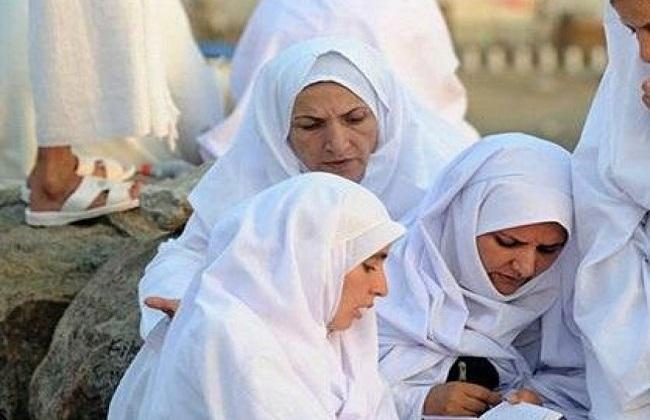
A clear explanation of whether a woman may travel for Hajj without a mahram, and the conditions that make it permissible.
A clear religious ruling explains the reality of zar rituals and why they are rejected due to harmful and misleading practices.
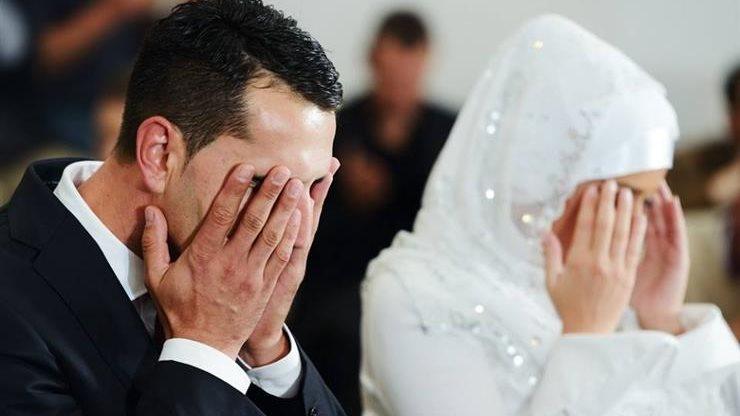
An important clarification about the recommended supplication on the wedding night and the meaning of blessings in married life.
