
✝️ The Importance of Christian Unity in the Modern Era: The Vision of Father Paul Faragallah
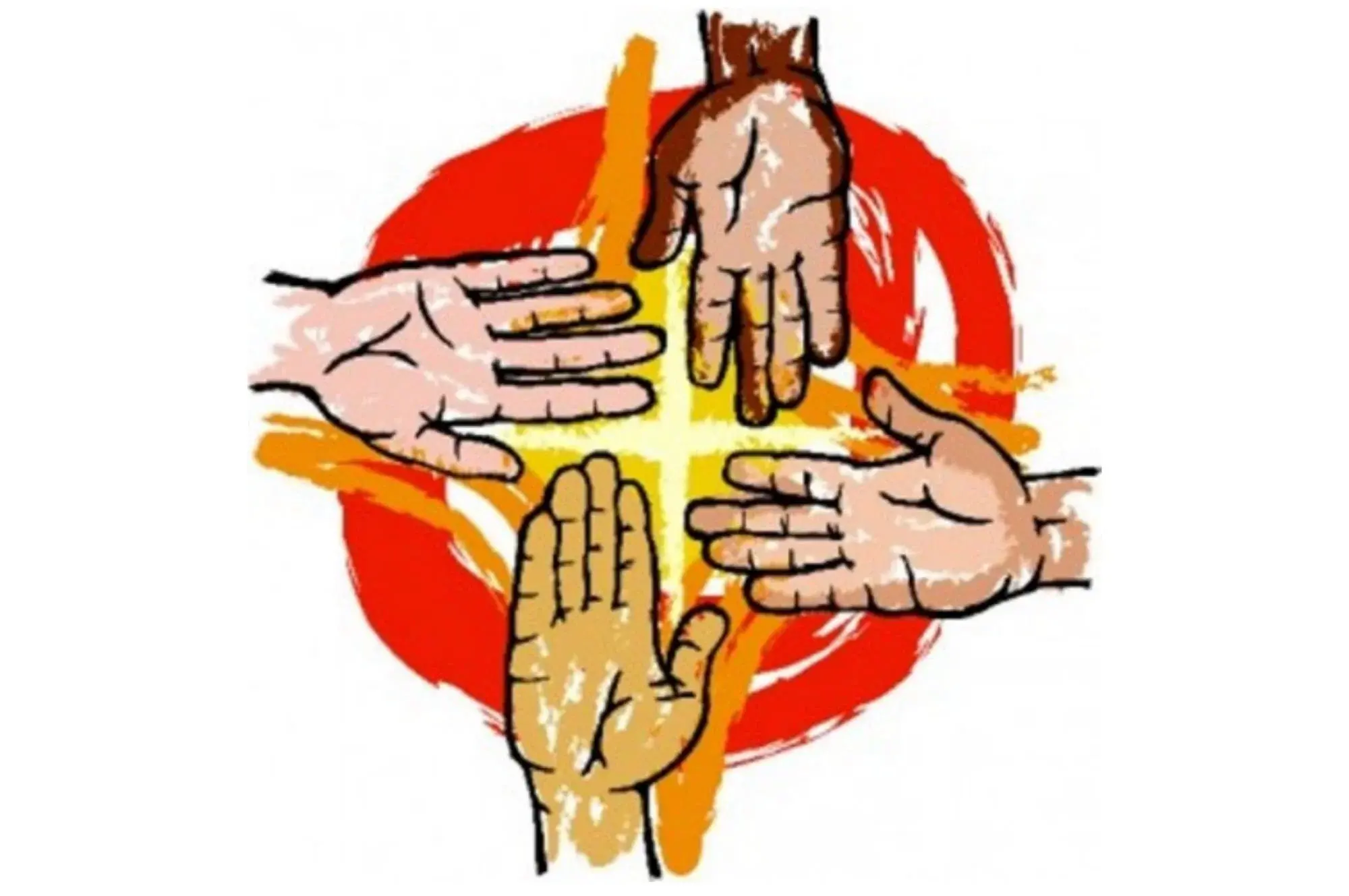
In light of the rapid global changes taking place today, Christian unity has become a spiritual and societal necessity that cannot be overlooked. Unity is not merely a slogan; it is the foundation of ecclesiastical stability and a pillar for spreading peace and love within society.
From this perspective, Father Paul Faragallah presents a clear model of church ministry based on the concept of the universal Church—one that embraces everyone without discrimination and works to strengthen shared faith values.
🕊️ The Church: A Home for All Christians, Not a Sect
Father Paul Faragallah’s vision is built on a simple yet profound principle:
The Church is not for a specific denomination, but a home for all believers.
This concept reflects the Gospel spirit: “That they all may be one.”, focusing on what unites Christians rather than what divides them.
Through the Cathedral of the Virgin Mary in Ezbet El-Obeid, this concept is practically implemented through:
- Welcoming all Christians without discrimination
- Providing integrated spiritual and social services
- Strengthening a sense of belonging to one body
🏛️ Institutional Work as a Path to Unity
Father Paul Faragallah’s efforts are not limited to spiritual service only, but extend to building an organized and legally recognized church structure that supports stability and unity.
He worked on:
- Establishing a legally licensed cathedral
- Forming an executive committee for church administration
- Activating the role of the general assembly for participation
This institutional model contributes to:
- Reducing conflicts
- Enhancing transparency
- Ensuring continuity
📖 Unity of Teaching, Thought, and Spirit
Church service is based on three main pillars:
1. Unity of Teaching
Delivering clear biblical teaching away from division or extremism.
2. Unity of Thought
Building ecclesiastical awareness based on acceptance of others within the same faith.
3. Unity of Spirit
Strengthening love and cooperation among church members.
This approach helps create a cohesive church community where every individual feels truly included.
⚖️ Legal Commitment and Church Protection
One of the most distinctive aspects of Father Paul Faragallah’s journey is his commitment to the legal framework. He represents the Church before official authorities and works on:
- Documenting the legal status of the cathedral
- Protecting church rights
- Building balanced relations with state institutions
This commitment strengthens trust and provides the Church with stability and resilience in facing challenges.
🚨 Challenges and Defamation Campaigns
In any successful journey, challenges may arise, including attempts of defamation. However, reality has proven:
- Legal soundness of the position
- Validity of clerical status
- Continuation of ministry without disruption
This reflects the strength of the foundation upon which the Church was built.
🌍 Why Do We Need Christian Unity Today?
The need for unity is increasing due to:
- Growing intellectual divisions
- Societal challenges
- The need for a moderate religious discourse
Unity here extends beyond the Church to positively impact society by promoting:
✨ Peace
✨ Tolerance
✨ Social cohesion
🔮 A Future Vision Based on Unity
Father Paul Faragallah’s vision focuses on:
- Developing spiritual education
- Supporting youth and families
- Expanding social activities
- Enhancing institutional work
All within the framework of a universal Church that serves everyone without exception.
✨ Conclusion
Father Paul Faragallah’s experience represents a comprehensive model combining faith, administration, and legal commitment within a clear vision aimed at achieving Christian unity.
The most important message remains:
The Church is a home for all, and unity is the true path to building a strong and cohesive society.